

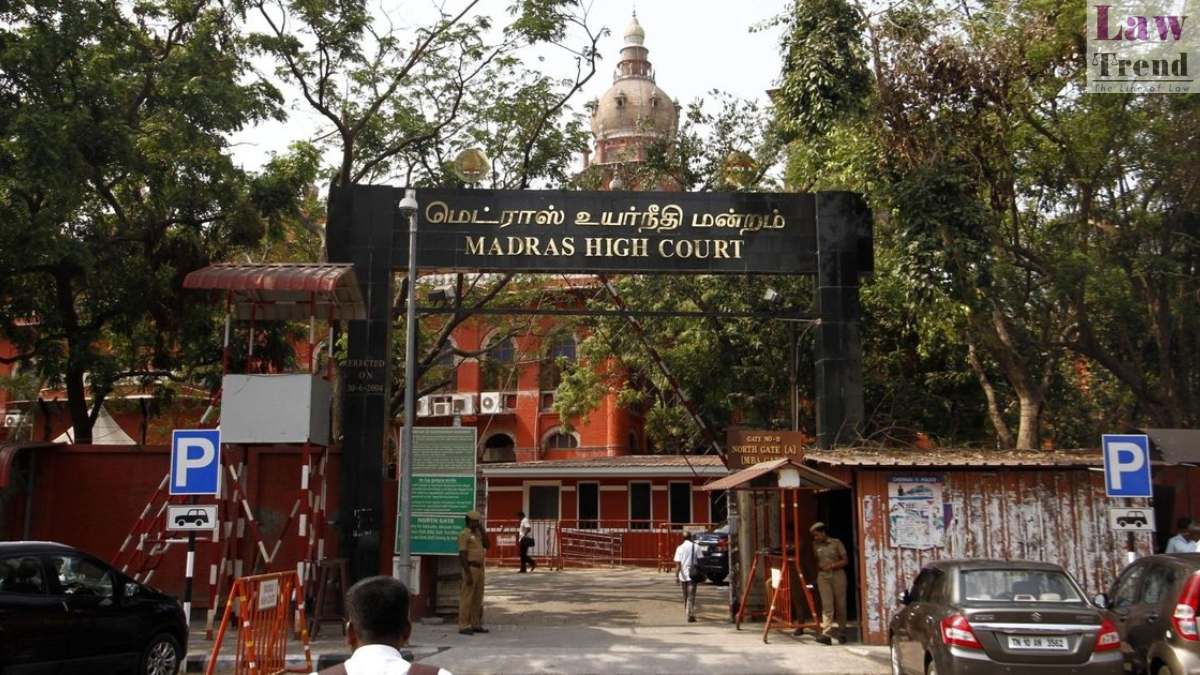
The Madras High Court has denied a petition seeking permission to bring cooking utensils, fuel, and combustible materials into a reserve forest for a temple festival in Tamil Nadu’s Tenkasi District. In a June 29 order, the court ruled that individuals cannot claim the use of such materials in protected forest areas as a legal right.
Presiding over the case, Justice C Saravanan affirmed that forest authorities hold the primary responsibility for maintaining ecological balance and are best positioned to determine environmental safety requirements. The court supported the department’s authority to restrict flammable items that could cause environmental degradation within the reserve.
Dispute Over Food Preparation
The ruling stems from a legal conflict over food distribution, known as Annadhanam, during the ten-day Chithra Pournami Vizha festival scheduled from April 22 to May 1, 2026. The event takes place at the Arulmigu Sri Senbaga Devi Temple, located near the Senbaga Devi Falls on Courtallam Hill.
The dispute escalated after a petitioner accused the forest department of intentionally defying an April 24 high court directive. While that earlier order permitted the festival under specific timing and environmental conditions, the forest department prohibited cooking activities inside the forest during the festival’s final four days. Following the petitioner’s initial complaints, the court issued an interim order on June 1 requesting the forest department to submit a report on potential safety conditions and cooking viability.
Wildlife And Environmental Concerns
In defense of the restrictions, forest department counsel R Parthiban highlighted that the path to the temple passes through an ecologically sensitive elephant corridor. He argued that allowing open fires and cooking near the temple would severely threaten local wildlife, including several endangered species, and disrupt the fragile ecosystem.
Representing the petitioner and the temple, advocate S Manoj Kumar argued that the department’s designated cooking area at the foothills was impractical. He stated it was physically impossible to prepare food at the base of the hill and transport it up to the temple for devotees during both the annual festival and monthly full moon events. He also argued the festival had been conducted in this customary manner historically. The petitioner proposed establishing a temporary kitchen on the temple grounds, promising to implement strict fire safety measures and entirely avoid solid waste generation and single-use plastics.
Final Ruling On Forest Access
The court ultimately dismissed the petitioner’s arguments, noting that the forest department’s refusal to allow combustible materials in their jurisdiction did not constitute a violation of previous court orders simply because the petitioner found the alternative arrangements unacceptable.
The judge ruled that any food preparation must occur outside the reserve forest boundaries or in specific locations explicitly identified and approved by forest officials. Additionally, the court upheld existing environmental restrictions from the April 24 order, which prohibit devotees from bathing in the nearby falls to protect the area’s drinking water supply.




