

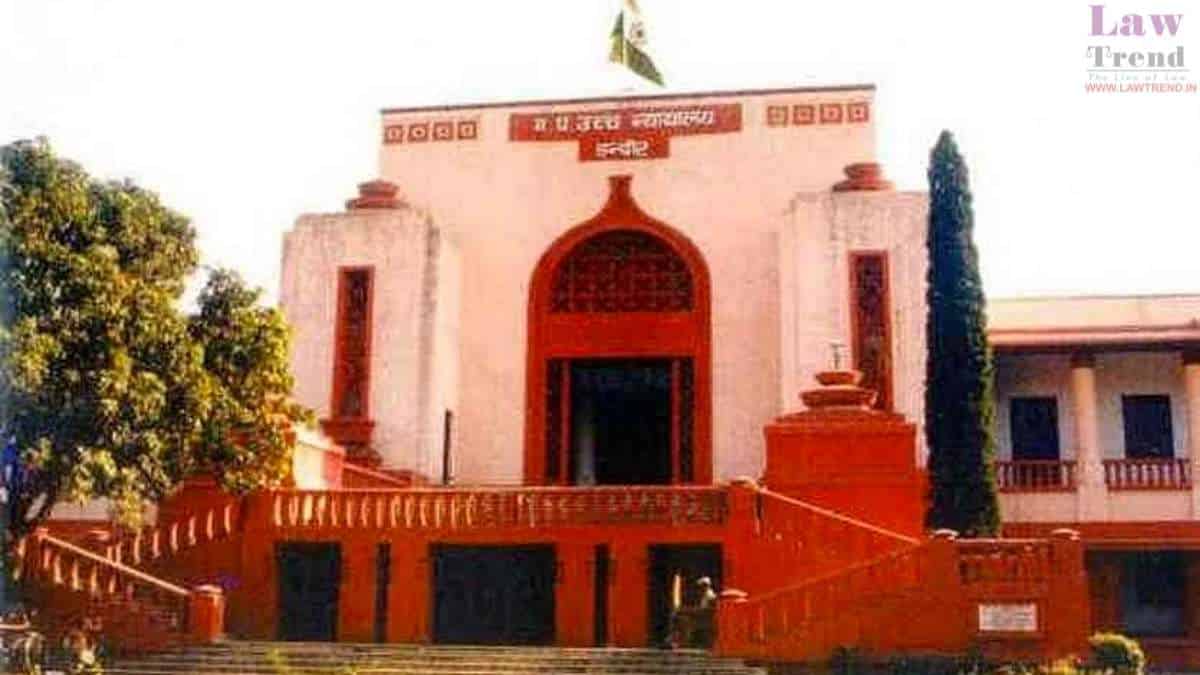
In a scathing rebuke of administrative overreach, the Madhya Pradesh High Court has quashed the suspension of a Sub-Inspector who was penalized after leading a successful gambling raid at a private farmhouse belonging to a serving IAS officer.
Justice Jai Kumar Pillai of the Indore bench ruled on Thursday that the suspension of Sub-Inspector Lokendra Singh Hihore was “arbitrary, colourable, and vindictive.” The court observed that punishing an officer for performing his statutory duties “shocks the conscience” of the judiciary.
The case dates back to the intervening night of March 10 and 11, when Hihore, a 2007-batch officer and then-station in-charge of Manpur, acted on a tip-off regarding illegal activities in Awalipura village.
Leading a police team to a private farmhouse—later identified as belonging to a woman IAS officer—Hihore conducted a raid that resulted in the arrest of 18 individuals for alleged gambling. Six others managed to flee the scene during the operation.
The legal battle highlighted a troubling narrative of internal interference. According to Hihore’s petition, he was subjected to “intense pressure” following the raid. Authorities allegedly demanded that he either refrain from filing a First Information Report (FIR) or alter the location of the incident to conceal the identity of the farmhouse owner.
When Hihore refused to comply and filed the FIR detailing the actual location, he was suspended by the Superintendent of Police the following day, March 11.
The state government defended the suspension, claiming Hihore had failed to gather intelligence and ignored instructions from crime review meetings. However, the High Court found these arguments contradictory.
“The justification hinges entirely on a sweeping, generalised allegation of a failure to gather intelligence, which is factually contradicted by the petitioner’s own successful intelligence-based raid,” Justice Pillai noted.
The Court further pointed out that the state remained “evasively silent” regarding Hihore’s specific allegations of malice and pressure from higher authorities.
In its final judgment, the Court warned that allowing such “stereotype” suspension orders to stand would cripple law enforcement.
“If these types of stereotype orders of suspension… are permitted to continue, then no officer would even dare to raid any premises due to fear of suspension,” the order stated.
By quashing the suspension, the High Court moved to prevent what it termed a “gross miscarriage of justice,” ensuring that officers who uphold the law against influential figures are protected from administrative retaliation.




