

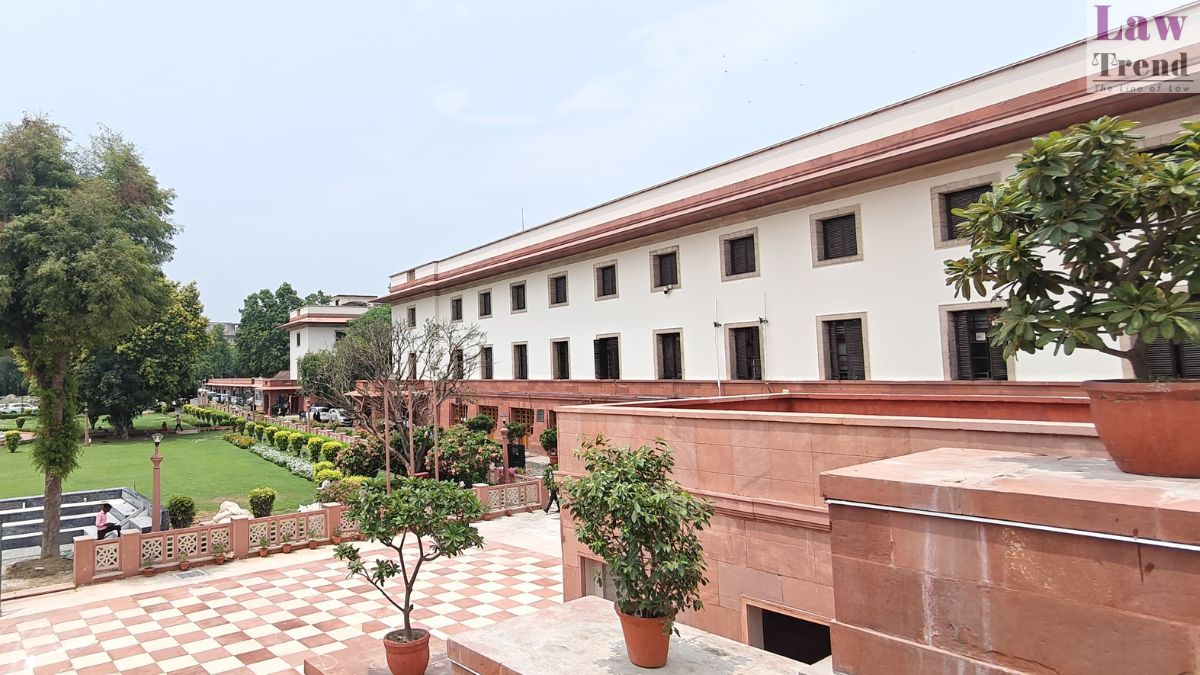
The Supreme Court of India on Friday stepped into the growing debate over digital free speech, seeking a response from the Central Government regarding the suspension of social media accounts belonging to the Aam Aadmi Party’s (AAP) Gujarat unit.
A bench comprising Justices P.S. Narasimha and Alok Aradhe issued the notice during a brief hearing, tagging the AAP’s plea with other pending petitions that challenge the government’s power to block social media content and accounts without prior notice to the users.
The Gujarat unit of the AAP moved the top court to question the legal basis of the crackdown on its digital presence. At the heart of the dispute is Section 79(3)(b) of the Information Technology (IT) Act, which authorities have reportedly invoked to direct the suspension of the party’s accounts.
Representing the AAP, senior advocate Shadan Farasat argued that the government’s reliance on this specific provision is legally flawed. Farasat contended that Section 79(3)(b) is intended as a “safe harbour” provision—a legal protection for intermediaries (like X or Facebook) to shield them from liability—rather than a source of power for law enforcement to mandate the blocking of information.
The petition seeks a formal declaration that Section 79(3)(b) cannot be used to shut down social media accounts. Furthermore, the party is asking the court to quash existing directions from law enforcement that led to the current suspensions and to declare any rules or notifications issued under that provision for blocking purposes as void.
The case highlights a critical tension between law enforcement’s regulatory powers and the due process rights of digital users. The AAP’s plea emphasizes that their accounts were blocked without any prior notice or opportunity to respond, a practice the party claims is unconstitutional.
During the proceedings, Solicitor General Tushar Mehta, appearing for the Centre, suggested that a formal notice might not be necessary at this stage and requested that a copy of the petition be served to the government for review.
By tagging this case with existing petitions on similar issues, the Supreme Court is signaling a comprehensive look at how digital communication is regulated in India. The final outcome could set a significant precedent regarding the “right to be heard” before a digital identity or political platform is silenced online.




