

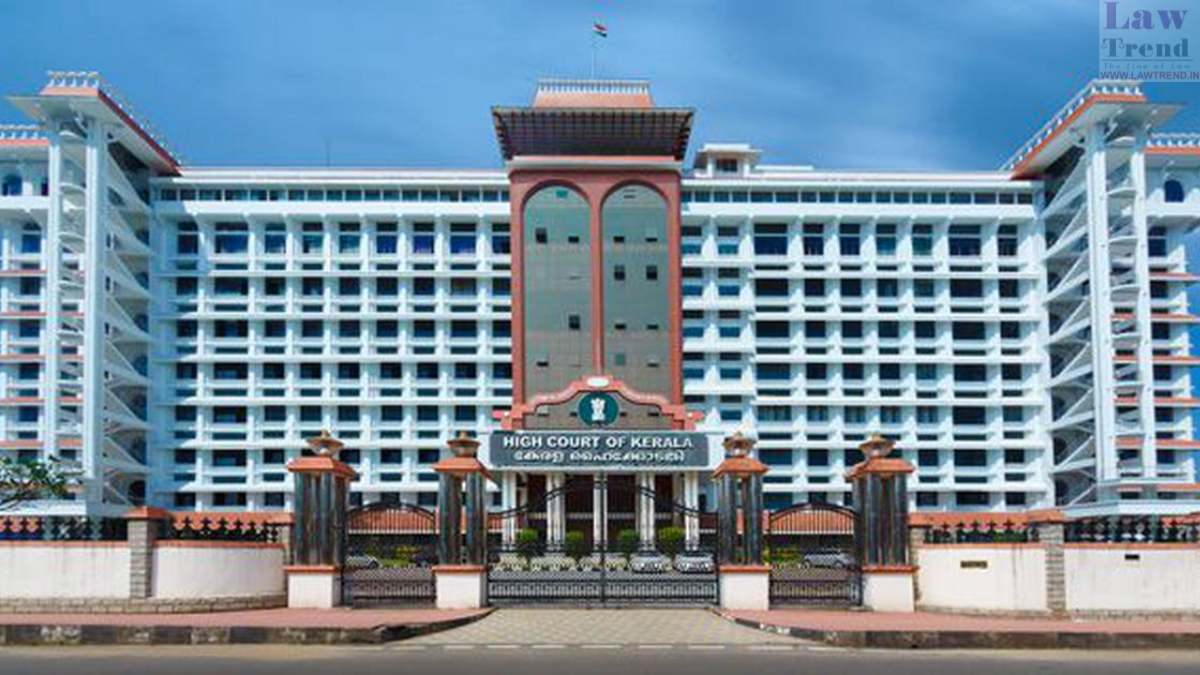
The Kerala High Court on Friday directed the police to register an FIR under the anti-corruption law against former Chief Minister Pinarayi Vijayan and others in connection with the alleged Cochin Minerals and Rutile Limited (CMRL) bribery case, acting on a report submitted by the Enforcement Directorate (ED).
Justice A Badharudeen passed the order while allowing a petition filed by advocate K M Shajahan, who challenged the decision to conduct a preliminary inquiry instead of registering a criminal case on the basis of the ED’s findings.
The court’s detailed judgment is awaited.
ED Report Sufficient for FIR, Agency Contended
During the proceedings, the Enforcement Directorate maintained that its report to the state police provided grounds for registering an FIR against Vijayan, his daughter Veena T, and her husband P A Mohamed Riyas.
The agency argued that its findings could themselves serve the purpose of a preliminary inquiry, making a separate verification exercise unnecessary before registration of the case.
The state government, however, opposed this position. It submitted that the material forwarded by the ED did not justify immediate registration of an FIR and that the allegations required a preliminary inquiry.
Allegations Involving ₹2.78 Crore Payments
The case concerns allegations that Cochin Minerals and Rutile Limited transferred ₹2.78 crore to Exalogic Solutions, a now-defunct company associated with Veena T.
According to the ED, the payments were fraudulent transactions presented as charges for IT consultancy services.
The agency said its request for criminal proceedings was supported by evidence collected during its investigation and searches carried out under the Prevention of Money Laundering Act.
The ED subsequently wrote to the State Police Chief seeking an investigation into the alleged transactions involving Vijayan, Veena and Riyas.
Police Inquiry Had Already Been Ordered
Before the High Court’s direction, the Congress-led UDF government in Keralam had recently ordered a police inquiry following the ED’s communication.
Shajahan approached the High Court seeking registration of an FIR rather than a preliminary examination of the allegations.
Allowing his petition, the court directed registration of the criminal case under the anti-graft law. Further details of the court’s reasoning are expected in the detailed judgment.




