

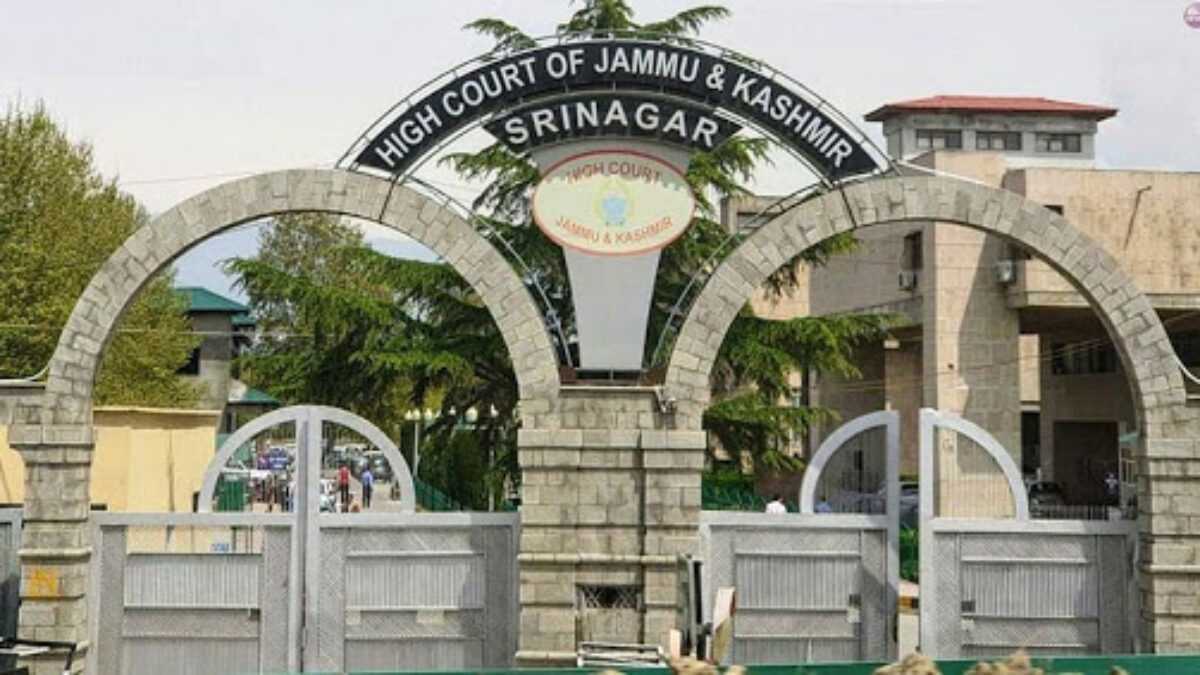
The Jammu and Kashmir and Ladakh High Court has revoked a preventive detention order issued under the Public Safety Act against a 41-year-old man, ruling that an unexplained 38-day bureaucratic delay and the concealment of his pre-arrest bail order violated constitutional safeguards.
Delivering the ruling, Justice Rajesh Sekhri found that invoking preventive detention immediately after the petitioner secured anticipatory bail amounted to a colourable exercise of executive authority designed to circumvent judicial relief. The bench noted that the failure of police authorities to present the bail order before the detaining authority compromised the required legal assessment and infringed upon the detainee’s right to challenge the action.
Unexplained Inaction Severed Proximate Link
The legal challenge stemmed from an order issued by the District Magistrate on December 8, 2025, acting on an October 30, 2025, proposal submitted by the Senior Superintendent of Police in Kathua. Representing the petitioner, Senior Advocate K S Johal and Advocate Supreet Singh Johal argued that the 38-day gap between the police recommendation and the execution of the detention severed the necessary live and proximate connection between the alleged conduct and the need for immediate restraint.
Justice Sekhri upheld the argument, remarking that if the individual’s activities were genuinely deemed detrimental to public peace, authorities would have acted with urgency rather than allowing him to remain at liberty for more than five weeks. The court observed that the detaining authority had effectively slept on the matter before acting.
Concealment Of Anticipatory Bail Order
The petitioner had secured anticipatory bail on December 4, 2025, in connection with the latest police case registered against him. Four days later, the detention warrant under the Public Safety Act was signed without any mention of the court relief.
The High Court ruled that withholding significant developments such as a bail grant deprives the detaining authority of the complete factual foundation necessary to arrive at a lawful subjective satisfaction. Justice Sekhri stated that such omissions directly undermine the detainee’s constitutional protections by denying him an adequate basis to contest the restraint.
State Allegations Of Communal Provocation
Defending the detention, Government Advocate Suneel Malhotra argued that the administration possessed sufficient evidentiary grounds, pointing to four First Information Reports and two daily diary entries. The state identified the man as a repeat offender with a record of making provocative remarks aimed at stoking religious and caste tensions.
The police dossier specifically cited social media activity, including alleged offensive remarks regarding Lord Ram and a Facebook video deriding women observing the Karwa Chauth fast. Malhotra maintained that despite administrative warnings, the man persisted in posting inflammatory material, and noted that his official representation against the detention had been properly examined and dismissed.
Judicial Outcome
Rejecting the state’s submissions, the bench concluded that an unjustified administrative delay combined with the deliberate non-disclosure of a judicial bail order vitiated the entire detention procedure. In its August 29 verdict, the High Court allowed the petition and formally set aside the detention order.




