

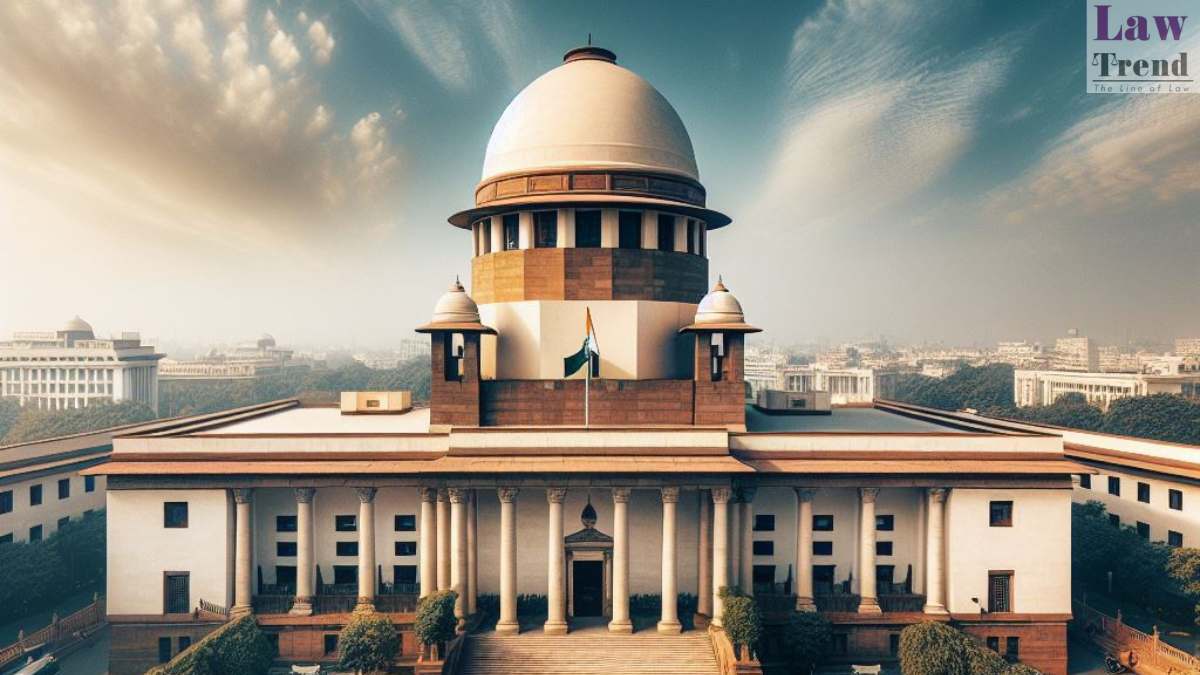
The Supreme Court on Monday put on hold a Delhi High Court directive that had permitted Devangana Kalita, an accused in the 2020 Delhi riots conspiracy case, to inspect documents not relied upon by the prosecution.
A two-judge bench of Justices Aravind Kumar and Vipul M Pancholi stayed the high court’s order and issued a notice to Kalita. The action follows a petition filed by the Delhi Police challenging the June 5 high court decision. The Supreme Court has scheduled the next hearing on the matter in two weeks.
During the proceedings, the bench expressed concern over trial delays, observing orally that arguments could drag on for a decade if such procedures continue.
Arguments Over Access to Unmarked Evidence
Additional Solicitor General S V Raju, representing the Delhi Police, argued that Kalita is not entitled to access any documents that the prosecution is not relying upon before charges are formally framed in the case. He questioned the purpose of allowing such an inspection at this stage of the legal proceedings.
In response, Kalita’s defense counsel cited a prior Supreme Court ruling, arguing that the prosecution must furnish a list of non-relied-upon documents to the defense before charges are framed.
Details of the High Court Ruling
The stay suspends a June 5 decision by the Delhi High Court. In that ruling, the high court had invoked the right to a fair trial, stating that transparency in judicial proceedings must be maintained even in cases involving terror offenses. While it permitted Kalita to inspect the unmarked documents under the Unlawful Activities Prevention Act (UAPA), it urged her not to cause undue delays in the trial.
However, the high court had rejected Kalita’s broader petition seeking specific WhatsApp chats and video recordings. It noted that the prosecution had already provided Kalita with all evidence relied upon in the chargesheet, along with relevant riot footage.
The high court ruled that internal communications and WhatsApp chats of police officials were neither relevant nor relied upon by prosecutors, noting they could contain sensitive or privileged information. It held that these records were not required to be supplied under Section 207 of the Code of Criminal Procedure. Additionally, the court noted that certain CCTV footage could not be shared because investigations were ongoing and other suspects remained at large.
The June 5 order had also cleared the way for the trial court to proceed, lifting an interim stay from September 12, 2024, that had barred the lower court from passing a final order on framing charges.
Background of the Case
Kalita had approached the high court in 2023, claiming that the Delhi Police had commissioned individuals to record the February 2020 protests against the Citizenship Amendment Act (CAA) and the National Register of Citizens (NRC). She argued that the complete footage would demonstrate she was protesting peacefully. She also sought full logs of a WhatsApp group, alleging that prosecutors were using selective extracts against her.
Kalita is among several student activists and political figures booked under multiple police complaints in connection with the conspiracy case. The accused include Natasha Narwal, Umar Khalid, Sharjeel Imam, Jamia Coordination Committee member Safoora Zargar, and former Aam Aadmi Party councillor Tahir Hussain.
The case stems from the Northeast Delhi riots in February 2020, which resulted in 53 deaths and left more than 700 people injured.




