

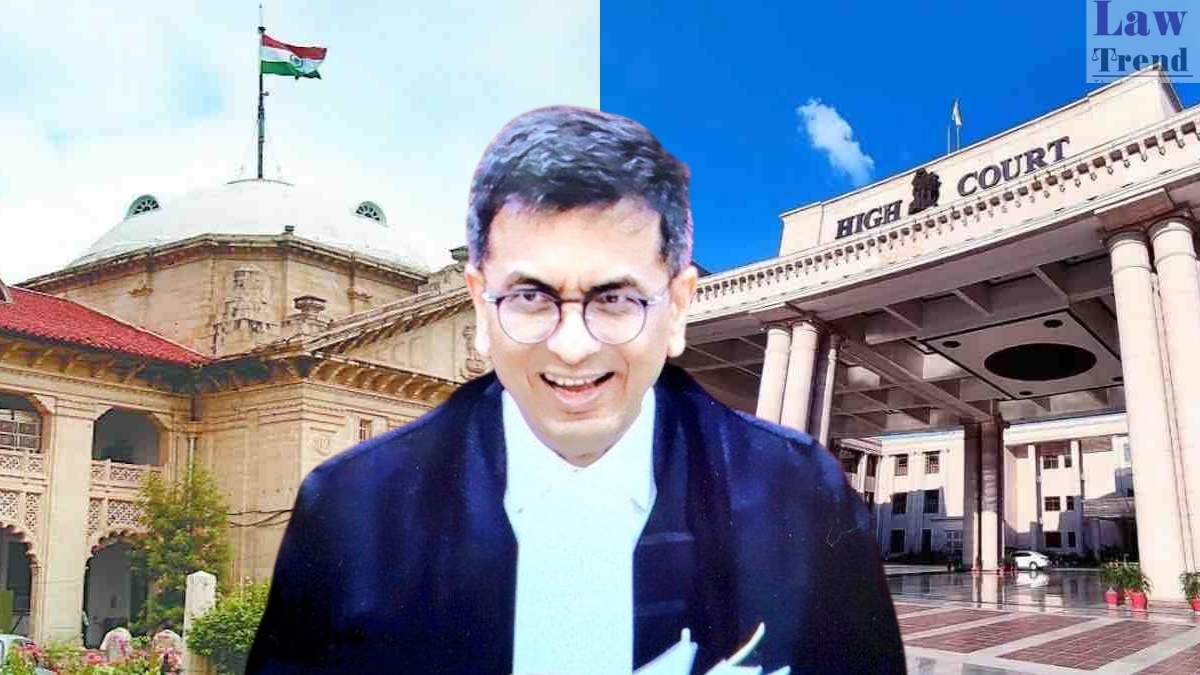
In a significant ruling that broadens the definition of frontline pandemic workers, the Allahabad High Court has declared that employees in essential sectors—including electricity, water supply, and telecommunications—are deemed to be on “Covid duty.”
The court’s decision came as it directed the Uttar Pradesh government to release ex-gratia compensation to the widow of an electricity department employee who succumbed to a Covid-19 infection during the height of the pandemic.
A division bench comprising Justices Ajit Kumar and Indrajeet Shukla criticized the state government’s previous stance, which limited compensation eligibility strictly to those directly involved in hospital treatment. In its order dated April 17, the court labeled this interpretation as “very narrow.”
“We are unable to sustain the order passed by the State Government giving a very narrow interpretation to the covid duty only confining those people, who were specially assigned to discharge their duties in treatment of people physically in hospitals,” the bench noted.
The ruling overturned a July 28, 2023, state order that had rejected the petitioner’s claim. The state had argued that because the deceased was not specifically assigned to medical tasks, his death did not qualify for the ex-gratia payment.
During the proceedings, the petitioner argued that the electricity department played an indispensable role during the lockdowns. Uninterrupted power was a literal lifeline for hospitals, primary health centers, and community health centers, where ventilators and oxygen machines were constantly operational.
The court agreed, observing that the discharge of these duties helped the state manage the crisis. Beyond medical support, the bench noted that maintaining water, electricity, and telephone services was critical for:
- Supporting patient treatment and life-saving equipment.
- Enabling the containment of the pandemic.
- Ensuring the protection of citizens by facilitating their stay in confinement.
Counsel for the petitioner further highlighted that a failure in these services during the pandemic would have had “adverse effects” and made the lives of citizens “miserable.”
The court’s decision was bolstered by a previous judgment from a coordinate bench, which had granted similar compensation to the dependent of a head constable in the police department. By citing this precedent, the court reaffirmed that police, electricity, water supply, and telephone department staff are all essential components of the pandemic response.
Finding no material on record to justify the state’s rejection of the claim, the High Court quashed the 2023 order.
The Allahabad High Court has now ordered the state authorities to release the ex-gratia amount to the widow within 30 days.
“The writ petition succeeds and is allowed,” the bench ruled. “The State Government is directed to release the ex-gratia compensation to the petitioner within a period of 30 days.”




