

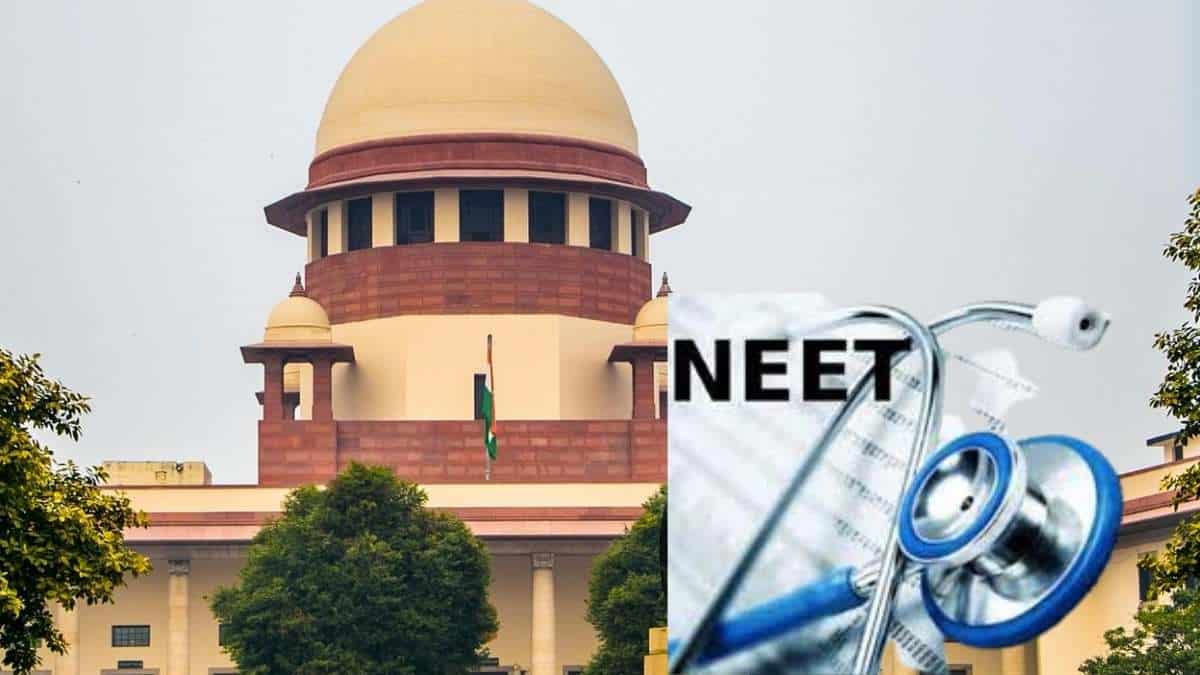
In a major legal escalation following the cancellation of the NEET-UG 2026 examination, the Federation of All India Medical Association (FAIMA) has moved the Supreme Court, seeking a complete restructuring or replacement of the National Testing Agency (NTA). The medical body has characterized the recurring paper leaks as a “direct assault” on the fundamental rights of over 22.7 lakh medical aspirants.
The writ petition, filed through advocate Tanvi Dubey, comes in the wake of the May 12 cancellation of the undergraduate medical entrance test, which was originally conducted on May 3. The move follows widespread allegations of systemic failures and a paper leak that is currently under investigation by the Central Bureau of Investigation (CBI).
FAIMA is calling for the establishment of a “robust and autonomous” system to replace the current NTA framework. The petition argues that the agency has suffered a “recurring, systemic and catastrophic failure” in its primary mandate.
To ensure the integrity of any future re-examination, the medical body has requested the appointment of a high-powered monitoring committee. This proposed panel would be chaired by a retired Supreme Court judge and include a cybersecurity expert and a forensic scientist to prevent further breaches.
The petition highlights a concerning discovery by the Rajasthan Police Special Operations Group (SOG). According to the filing, “guess papers” circulating on social media platforms like WhatsApp and Telegram contained 120 questions identical to those found in the actual Biology and Chemistry sections of the NEET-UG 2026 paper.
While the NTA has previously touted its use of high-tech security measures—including 5G jammers, GPS tracking, and AI-monitored cameras—the plea alleges these safeguards existed “only on paper.” The petitioners claim the agency continues to rely on high-risk, “old-fashioned” methods, such as physical printing and the transport of sensitive material via private couriers and e-rickshaws.
To eliminate physical chain-of-custody risks, the petition urges the court to mandate:
- A transition to a Computer Based Test (CBT) model.
- The implementation of “digital locking” for all question papers.
- The immediate publication of center-wise results to ensure “transparent detection of anomalies.”
The legal challenge frames the leak as a violation of Articles 14 and 21 of the Indian Constitution, asserting that the failure to protect the exam’s integrity is a blow to the guarantees of equality and the right to life and livelihood. FAIMA noted that this incident is not isolated, drawing parallels to the 2024 paper leak and accusing the NTA of failing to learn from past security breaches.
“The cancellation of the exam has left over 22 lakh medical aspirants and their families anxious about the next steps,” the petition states, citing uncertainty regarding fresh examination dates, admit cards, and the subsequent counseling timeline.
The plea names the NTA, the Union Ministry of Health and Family Welfare, and the CBI as parties. It further seeks a directive for the CBI to submit a detailed status report within four weeks regarding the progress of its investigation, including identified networks and arrests made to date.




