

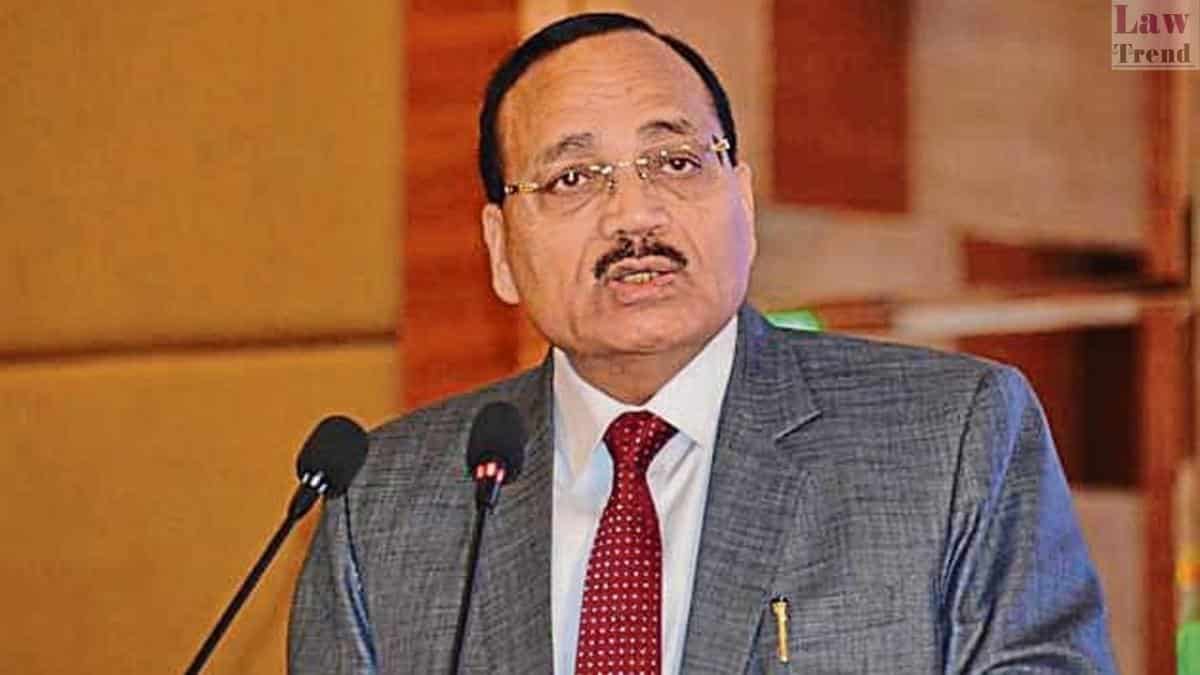
Chief Justice of India Surya Kant, alongside several judges of the Supreme Court, paid solemn tributes to Dr. B.R. Ambedkar on the occasion of his birth anniversary on Tuesday. The commemorative event took place within the premises of the apex court, where the judiciary gathered to honor the principal architect of the Indian Constitution.
Addressing the media in Hindi, Chief Justice Kant emphasized that the most profound way to honor Dr. Ambedkar is by steadfastly adhering to the constitutional framework he established. He reflected on Dr. Ambedkar’s enduring legacy, noting that the “comprehensive constitution” gifted to the nation was specifically designed to safeguard the rights of every individual citizen.
During the event, the Chief Justice highlighted the core pillars of the Constitution—equality, fraternity, and fundamental rights—as the guiding lights for the nation’s legal system.
“We remember Dr. Ambedkar with deep respect,” CJI Kant stated. “Remembering the constitutional values of right to equality, fraternity, fundamental rights, and others, and upholding the constitutional rights he envisioned is the greatest tribute we can pay to his memory.”
The gathering served as a moment for the judiciary to recommit to the ideals of justice and social equity that Dr. Ambedkar championed throughout his life. By focusing on the protection of citizen rights, the CJI underscored the judiciary’s role as the custodian of the vision laid out by the Drafting Committee under Ambedkar’s leadership.
The tribute at the Supreme Court underscores the central role Dr. Ambedkar plays in the identity of the Indian legal and democratic system. As the head of the judiciary, CJI Kant’s remarks serve to remind the legal fraternity and the public alike that the Constitution is not merely a static document but a living commitment to the principles of fairness and human dignity.
The event concluded with the judges paying floral tributes, marking a day of reflection on the constitutional journey of India and the foundational work of its primary framer.


