

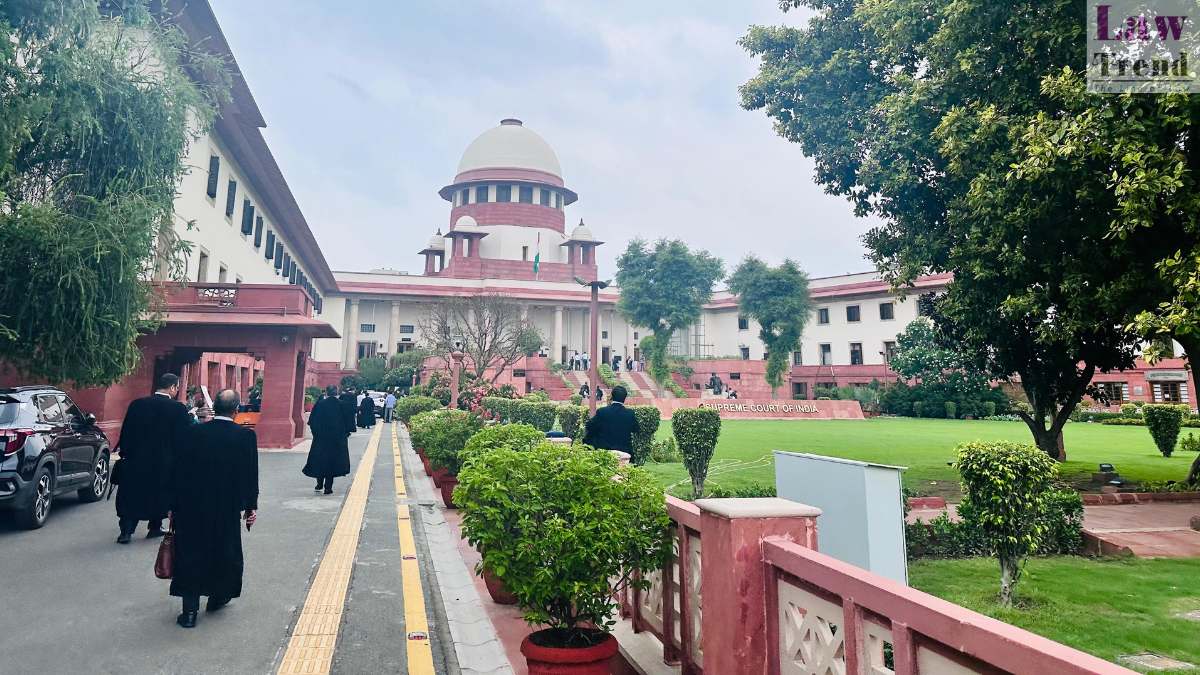
The Supreme Court on Tuesday issued notice to the Centre on a petition filed by the Digital News Publishers Association (DNPA), questioning the constitutional validity of several provisions of the Digital Personal Data Protection (DPDP) Act and its Rules. The association has argued that the absence of safeguards for journalistic activities could restrict news reporting, investigative journalism and access to information.
A three-judge Bench comprising Chief Justice of India Surya Kant, Justice Joymalya Bagchi and Justice V Mohana sought the government’s response after hearing senior advocate Madhavi Divan, who represented the DNPA. The Court scheduled the matter for November 17, when it will be heard alongside other pending petitions.
Journalistic Exemption at Centre of Challenge
The DNPA has questioned the application of data protection requirements to news organisations without a specific exemption for journalism. According to the petition, requiring consent for the processing of personal data could interfere with reporting on matters of public interest, particularly where the individuals concerned refuse permission.
During the hearing, Divan argued that making journalists dependent on the consent of the persons they report about would create serious practical difficulties for news gathering and publication.
She also drew attention to the nature of television journalism, where information must often be broadcast immediately. The consent requirements, she submitted, could make time-sensitive reporting impractical and potentially disrupt newsroom operations.
The association has further raised concerns that the challenged provisions could weaken investigative reporting and jeopardise the confidentiality of journalistic sources.
Challenge to Changes in RTI Act
Apart from the data protection framework, the petition contests the amendment to Section 8(1)(j) of the Right to Information Act.
The DNPA maintains that the amendment changes the legal framework governing access to personal information, including information concerning public officials. It argues that the change could reduce the information available for public scrutiny and affect the media’s ability to report on issues of public importance.
Divan told the Bench that the deletion concerning Section 8(1)(j) fundamentally altered the framework within which news organisations obtain and publish information.
The petition also questions the powers granted to the Central Government to requisition information under the DPDP Act. According to the association, these powers could have significant consequences for the independence and functioning of news organisations.
Interim Relief Sought
While pressing for judicial examination of the challenged provisions, Divan requested the Supreme Court to issue notice on the association’s application seeking an interim stay.
She described the proceedings as possibly the first comprehensive constitutional challenge brought by traditional news organisations against the data protection framework, distinguishing established media institutions from citizen journalists.
The DNPA has sought the striking down of the disputed statutory provisions and rules on constitutional grounds.
The Supreme Court has issued notice to the Centre and will take up the matter for further consideration on November 17.


