

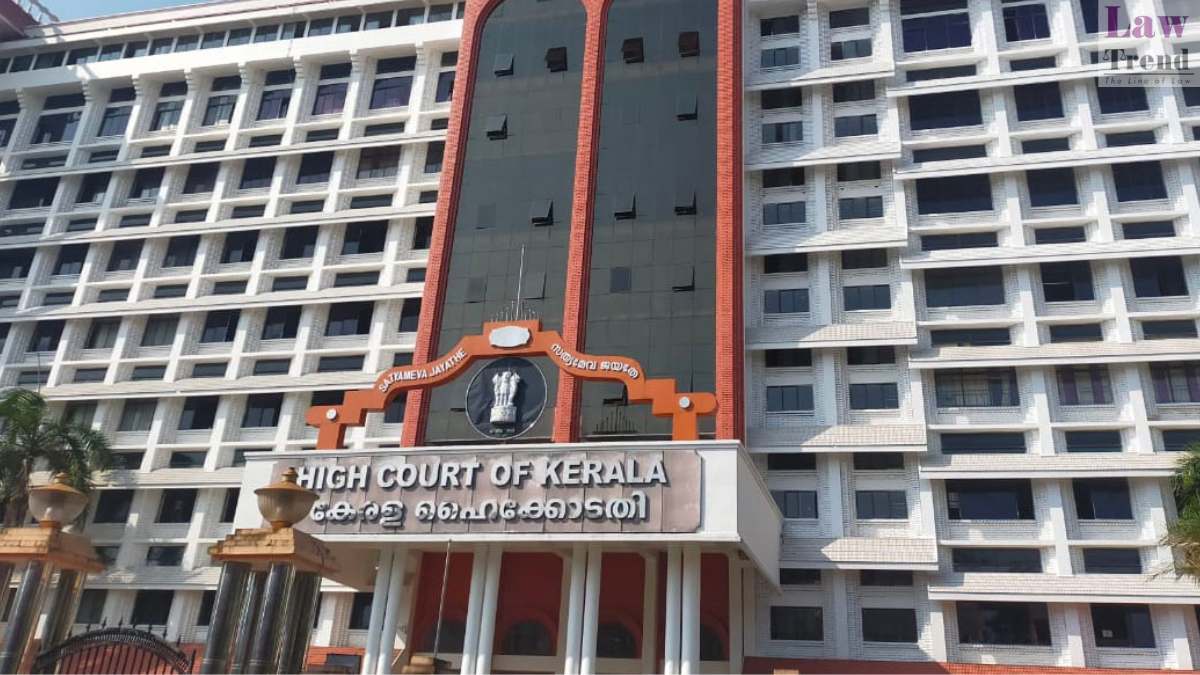
In a significant legal development regarding the ongoing healthcare crisis in Kerala, the Kerala High Court on Friday lifted its earlier restraint on private hospital managements, allowing them to initiate disciplinary proceedings against striking nurses. The court’s decision follows the total breakdown of mediation talks between the United Nurses Association (UNA) and private hospital representatives.
The order, passed by Justice Harisankar V Menon, establishes a dual outcome: while hospitals are now free to take legal disciplinary action against staff participating in the strike, the court clarified that the nurses are equally entitled to continue their industrial action.
The legal battle stems from an indefinite statewide strike launched by the United Nurses Association (UNA) on March 11. The nurses are demanding a substantial hike in their basic monthly salary to ₹40,000.
On March 13, the High Court had directed both parties to enter mediation to resolve the pay dispute, which has severely disrupted medical services across the state. At that time, the court had ordered both sides to refrain from any acts that would “aggravate or perpetuate” the conflict, effectively pausing disciplinary measures while talks were underway.
However, during Friday’s hearing, the court was informed that mediation had failed and that nurses were continuing their strike in at least two major hospitals.
Justice Harisankar V Menon noted that the court’s previous directions were based on the expectation that the strike would be suspended during the mediation process. Given the failure of the talks, the court found the hospital managements’ request for disciplinary powers to be justified.
“This court also notes that, though an attempt at mediation was undertaken, it has failed. Therefore, in my opinion, prima facie, the petitioners (private hospital managements) in these writ petitions are justified in contending that they may be permitted to proceed in accordance with law by taking appropriate disciplinary proceedings against the striking nurses,” the court observed.
Consequently, the court lifted the “interdiction” (prohibition) contained in its March 13 order. However, the judge balanced the ruling by stating, “On this basis, this court is also of the opinion that the respondent union (association) would be entitled to continue the strike, if they are so advised.”
The strike has left several private healthcare facilities struggling to maintain operations as a large number of nursing staff stayed away from work. While the UNA remains steadfast in its demand for a ₹40,000 basic wage, the private hospital managements have consistently moved the court to mitigate the strike’s impact on public health services.
The current ruling effectively moves the conflict back into the hands of the employers and the employees, removing the court-mandated ceasefire on disciplinary actions while acknowledging the nurses’ right to protest.




