

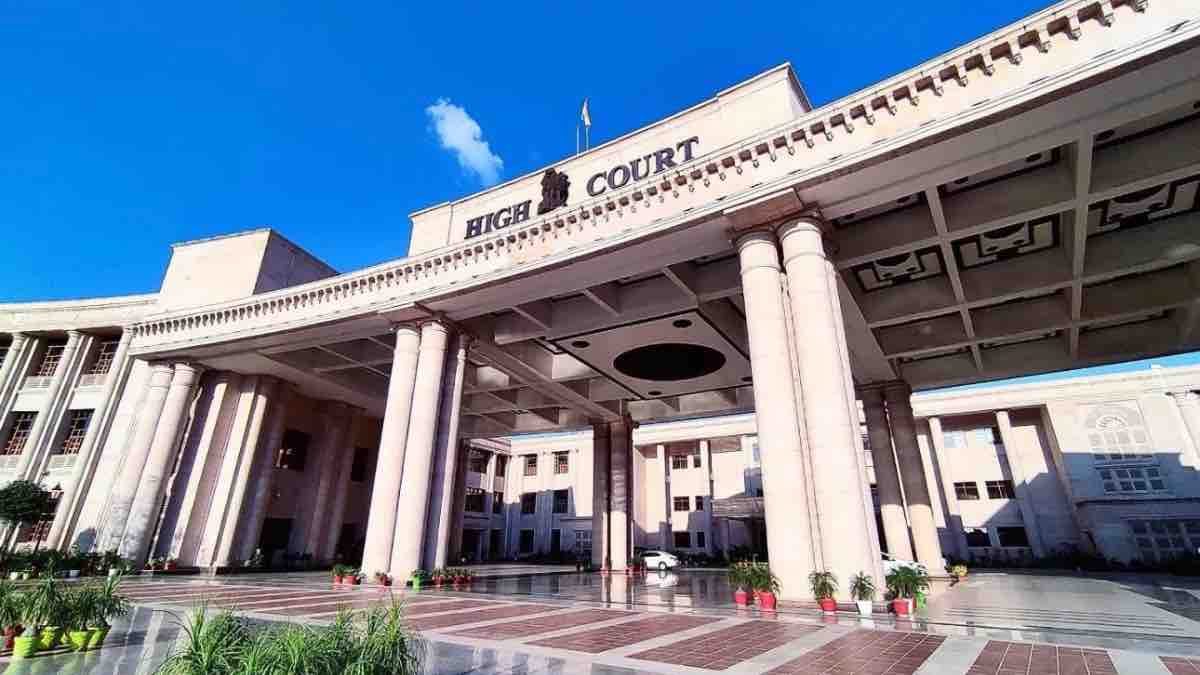
In a major ruling clarifying the legal boundaries of alternative dispute resolution in India, the Lucknow Bench of the Allahabad High Court has declared that Lok Adalats and district legal services authorities (DLSAs) have no jurisdiction to grant divorce decrees.
In an order passed on April 30, the court emphasized that the authority to legally dissolve a marriage rests exclusively with family courts. The role of Lok Adalats, the court clarified, is strictly limited to facilitating amicable settlements between parties and does not extend to rendering judicial decisions.
The Case That Sparked the Ruling
The verdict was delivered by a division bench comprising Justice Shekhar B. Saraf and Justice A. K. Chaudhary in response to a petition filed by a woman challenging a 2018 order passed by the District Legal Services Authority (DLSA) in Unnao.
According to the petitioner, her husband had treated a settlement recorded by the Unnao DLSA as an official decree of divorce, subsequently relying on it as legal grounds to remarry.
Expressing deep concern over the Unnao DLSA’s proceedings, the High Court bench noted that when the law explicitly prohibits Lok Adalats from granting divorces, issuing such orders constitutes a clear overreach of jurisdiction. The court declared that any clause in the DLSA settlement stating the parties were free to remarry was legally untenable and completely void.
Statutory Limits and the Role of Lok Adalats
The court grounded its decision in the statutory frameworks governing these bodies, pointing out that under the Legal Services Authorities Act, 1987, and the National Legal Services Authority (Lok Adalat) Regulations, 2009, matrimonial disputes involving divorce cannot be referred to Lok Adalats for judicial adjudication.
The bench clarified that:
- No valid divorce decree was ever issued by a competent court in this specific case.
- The husband’s reliance on the DLSA settlement as legal proof of divorce has no recognition in law.
- While Lok Adalats serve as a vital mechanism for ensuring speedy and accessible justice, they must operate strictly within their statutory limits and avoid encroaching upon matters reserved for regular courts.
Next Steps and Statewide Impact
While disposing of the petition, the High Court granted the female petitioner the liberty to pursue appropriate legal remedies through the proper channels.
To prevent similar jurisdictional overreach in the future, the bench directed that a copy of this judgment be circulated to all Lok Adalats and district legal services authorities across the state for strict guidance and compliance.




