

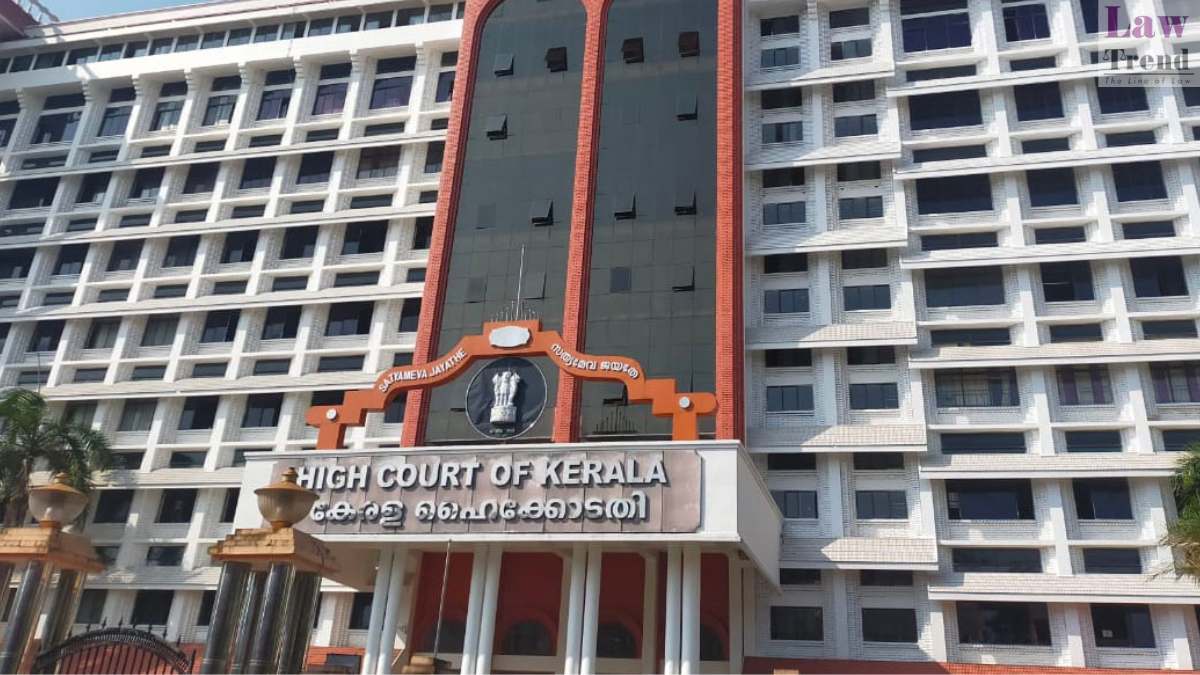
The Kerala High Court on Monday ordered the Special Investigation Team to quickly complete its investigation and submit its final reports regarding the alleged theft of gold from the Sabarimala Lord Ayyappa temple.
The directive from a division bench comprising Justice Raja Vijayaraghavan V and Justice K V Jayakumar follows the submission of a progress report by the investigative team. The inquiry centers on the suspected loss of gold during replating work conducted in 2019 on the sanctum sanctorum doorframe and the guardian deity plates.
Progress On The Sanctum Sanctorum Inquiry
Investigators informed the court that the probe into the suspected gold theft from the sanctum sanctorum doorframe is nearly finished. The team expects to submit its final report to the court within 30 days, after which it will seek formal approval from the relevant authority to proceed with prosecutions.
The scope of the investigation into the guardian deity plates has expanded, as authorities have merged allegations of gold pilferage from a subsequent 2025 replating project into the active case. Investigators have already questioned 54 witnesses in connection with the 2025 allegations. While the court directed the agency to submit its final report for this case as soon as possible, the investigators requested some additional time to complete several confidential aspects of the probe.
Scientific Testing Reveals Theft Method
The prosecution is relying heavily on scientific and forensic evidence rather than eye-witness accounts or circumstantial findings. To establish how the gold cladding was removed, investigators sent stripping salt seized from Smart Creations—the company contracted for the replating work—to the CSIR-National Metallurgical Laboratory in Jamshedpur for analysis.
The laboratory conducted advanced tests, including X-ray Fluorescence Spectroscopy, Inductively Coupled Plasma Mass Spectrometry, and Optical Emission Spectroscopy, to determine if the seized salt could strip gold cladding from copper plates. The testing also aimed to measure the amount of gold allegedly stolen, verify the authenticity of the copper plates, and analyze their composition.
According to the High Court, the laboratory’s findings have provided crucial details about the methods used by the suspects. The bench noted that the scientific analysis explained the entire extraction process, identified the quality and quantity of the original gold cladding, and measured the volume of gold used by the contractor for nano-gold plating. The findings have also assisted investigators in understanding the alleged transactions from 2025.
Court Praises Unique Metallurgical Analysis
The bench emphasized the importance of the laboratory’s contributions, noting that the national institution is the only facility in the country equipped with the specialized infrastructure and expertise required for this type of metallurgical analysis. The court added that the laboratory’s willingness to assist had significantly advanced the investigation.
To document the findings, officers from the special probe team visited the Jamshedpur laboratory between July 9 and July 11 to consult with the analyzing scientists and record their official statements.
The High Court has scheduled the next hearing for the case on September 3.




