

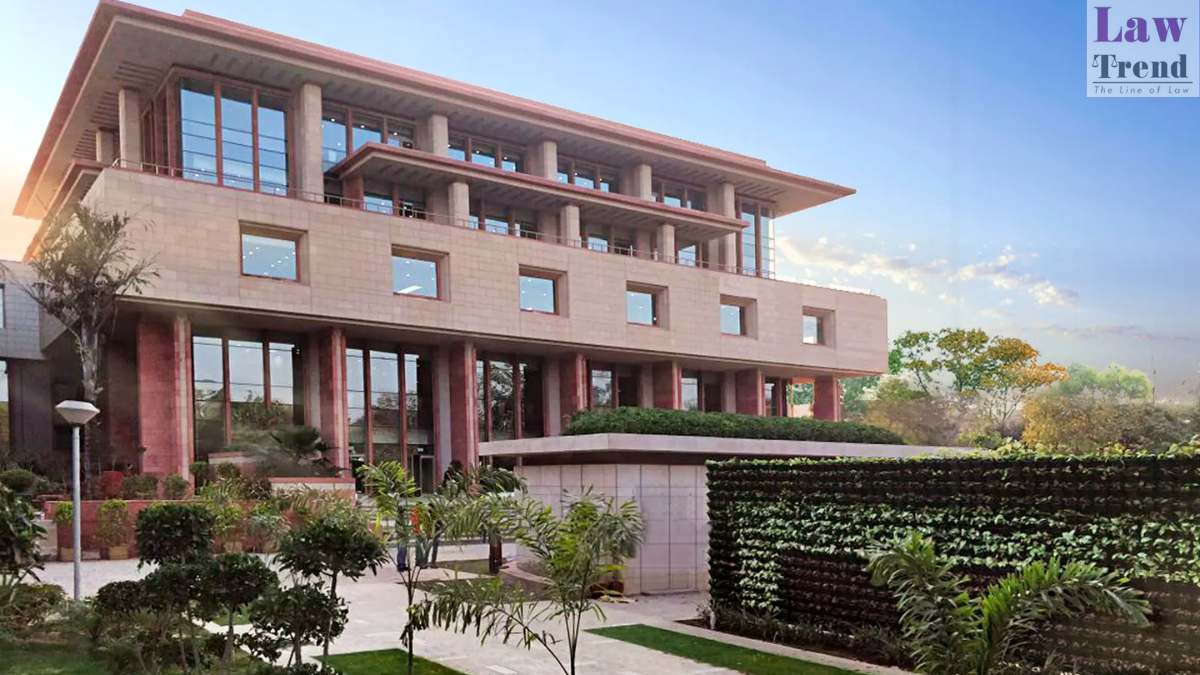
The Delhi High Court has set aside a trial court ruling that dismissed a harassment complaint filed by a man with an 86 per cent permanent locomotor disability against his former wife and her family, remanding the matter for fresh adjudication.
Ruling on a criminal revision plea on October 13, Justice Prateek Jalan described the special court’s earlier rejection of the case as perfunctory and unjustifiable. The high court observed that the lower court had focused solely on events from 2012 while ignoring explicit claims of ongoing harassment that extended across subsequent years, including a confrontation reported in 2025.
Justice Jalan clarified that the high court was not deciding whether the allegations were true or false, but emphasized that the special court was obligated to evaluate the petition in its entirety, especially given the protective objectives of the Rights of Persons with Disabilities (RPwD) Act, 2016.
Flaws In Special Court Order
The dispute originated from a brief marriage solemnized on April 14, 2012. The couple resided together for less than a month, separating on May 8, 2012, which sparked a series of protracted legal disputes and an eventual divorce.
On December 15, 2025, the special court had dismissed the man’s complaint under the RPwD Act. In that decision, the judge characterized the matter as an ordinary matrimonial dispute and a late effort to resurrect decade-old grievances. The special court had reasoned that the allegations linked to the 2012 cohabitation lacked specific dates, times, and particulars.
Justice Jalan held that this rationale overlooked clear contentions showing that the adverse conduct continued well after the separation. While the lower court had referenced the broader paperwork, it ultimately reached its conclusion under the incorrect premise that all claims were confined exclusively to 2012.
Allegations Of Sustained Mistreatment
According to the petitioner, the mistreatment persisted over several years and included specific events following the implementation of the RPwD Act in 2016.
The complainant alleged that his former spouse frequently targeted him with the derogatory term “langra” and stated that marrying a person with a disability had ruined her life. He also stated that his former wife and her relatives issued threats of criminal prosecution against his family and sought Rs 16 lakh in connection with the end of the marriage.
Beyond verbal abuse, the man asserted that the respondents actively attempted to damage his career and personal standing. He alleged that they communicated defamatory claims directly to his workplace, contacted his professional peers and senior officers, and staged a disturbance at his married sister’s residence on July 5, 2025.
The petitioner had lodged police reports regarding the conduct in 2012 as well as a formal complaint submitted on October 4, 2025, to the station house officer of Delhi’s Seema Puri Police Station.
Legal Framework And Remand Directions
During the high court proceedings, amicus curiae Manjeet Arya pointed out that allegations from 2012 preceded the enactment of the RPwD Act and noted the absence of specific particulars in the initial documentation. However, she also acknowledged that the court could have obtained further clarity, such as through the recording of pre-summoning evidence.
Setting aside the December 15, 2025 order, the high court remitted the proceedings back to the special court for fresh consideration in accordance with the law.
Justice Jalan noted that the complainant remains free to pursue other statutory remedies, including lodging a separate complaint for events that occurred after the original petition was submitted. The high court stressed that its findings were confined strictly to procedural review and should have no bearing on the special court’s eventual assessment of the case’s merits.




