

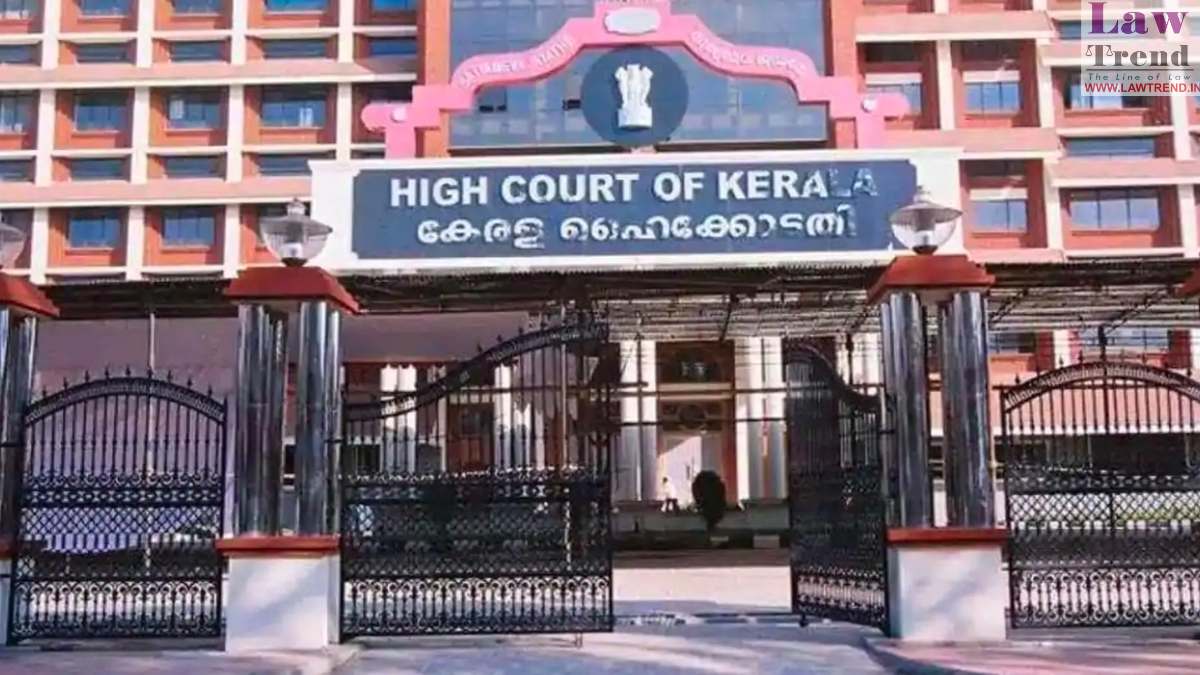
The Kerala High Court has directed railway authorities to finalize the Detailed Project Report for the proposed Nilambur-Nanjangud railway line by October 14 and submit a sworn affidavit clarifying whether the plan has been forwarded for statutory clearance.
A division bench comprising Chief Justice Soumen Sen and Justice Syam Kumar V. M. ordered the Railways to place the document before the court on the adjourned date, accompanied by a formal statement indicating whether the report has reached the competent authority for final approval and sanction.
Review Of Survey Progress And Clearances
The judicial directive follows an affidavit submitted by the Southern Railway on July 27, 2026, which informed the court that the Railway Board had sanctioned the Final Location Survey for the interstate rail corridor connecting Nilambur in Kerala with Nanjangud in Karnataka.
As part of that process, authorities have been conducting a LIDAR survey and traffic assessments necessary to compile the project report. The Railways had previously indicated that upon completion, the document would be submitted to the Railway Board for formal review, adding that actual execution of the project remains contingent upon obtaining approval and sanction from the competent authority.
Noting the gap since the July submission, the bench observed that the detailed project report should have reached completion by now. The court instructed that if the report is not yet ready, it must be completed by October 14, with the accompanying affidavit explicitly stating whether executive sanction has been sought.
Petition Cites Neglected Malabar Connectivity
The legal proceedings stem from a petition filed by C. N. Vijayakrishnan, chairman of the Kozhikode-based Cancer and Allied Ailment Research Foundation, which administers the MVR Cancer Centre and Research Institute.
In his plea, Vijayakrishnan emphasized the critical need to establish rail connectivity through the Malabar region. He submitted that despite submitting multiple representations to authorities over an extended period, the proposed railway link had not received adequate consideration, necessitating judicial intervention.




