

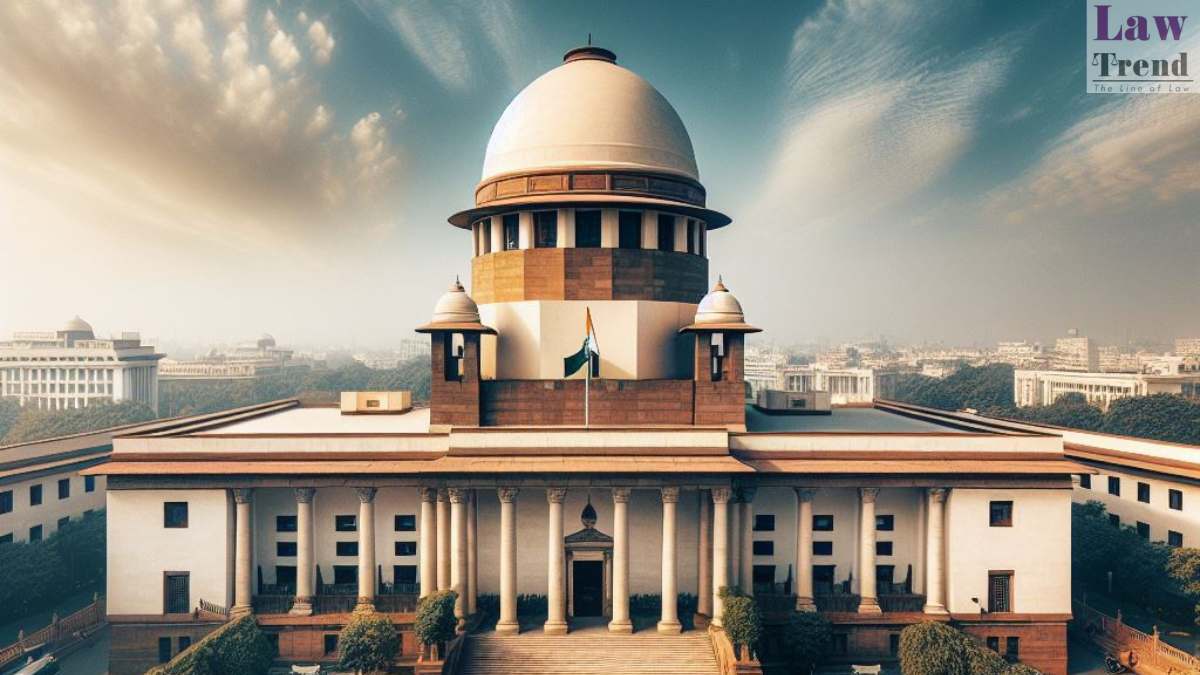
The Supreme Court has granted the Union government and state administrations six weeks to submit their formal responses to a petition seeking the confiscation of movable and immovable assets belonging to individuals and families involved in examination paper leak operations.
A bench comprising Justices P S Narasimha and Alok Aradhe adjourned the matter after the central government sought time to allow all parties to complete their pleadings. Additional Solicitor General Aishwarya Bhati, appearing on behalf of the Centre, informed the bench that because every state government has been impleaded in the petition, counter-affidavits from all respondents must be placed on record before arguments can proceed.
Stricter Penalties And Asset Attachment Sought
The public interest litigation, moved by advocate Ashwini Kumar Upadhyay through advocate Ashwani Kumar Dubey, urges judicial directives to evaluate the total assets held by perpetrators and their relatives. It calls for the invocation of stringent statutory measures, including the Prevention of Money Laundering Act and the Prevention of Corruption Act, to seize properties connected to examination fraud.
To establish stronger deterrence, the petitioner has asked the court to declare that prison sentences for offences related to paper leaks be served consecutively rather than concurrently. As an alternative remedy, the petition requests a directive instructing the Law Commission of India to study international best practices and deliver a comprehensive report on curbing paper leaks within three months.
Legislative Context And Constitutional Impact
The apex court had previously issued notices to the Centre and state governments regarding the plea on August 18. During that earlier hearing, the petitioner chose not to pursue a prayer demanding time-bound investigations and trials, citing Parliament’s passage of the Public Examinations Amendment Bill, 2026, which enhanced legal mechanisms against examination malpractices.
The petition contends that chronic administrative lapses in preventing, investigating, and prosecuting examination leaks constitute severe violations of candidates’ fundamental rights under Articles 14, 16, 19, and 21 of the Constitution. The filing draws attention to the wider human toll of repeated leaks, citing severe physical and mental distress, lost career and educational prospects, mounting debt burdens from unpaid education loans, and a troubling rise in student suicides.




