

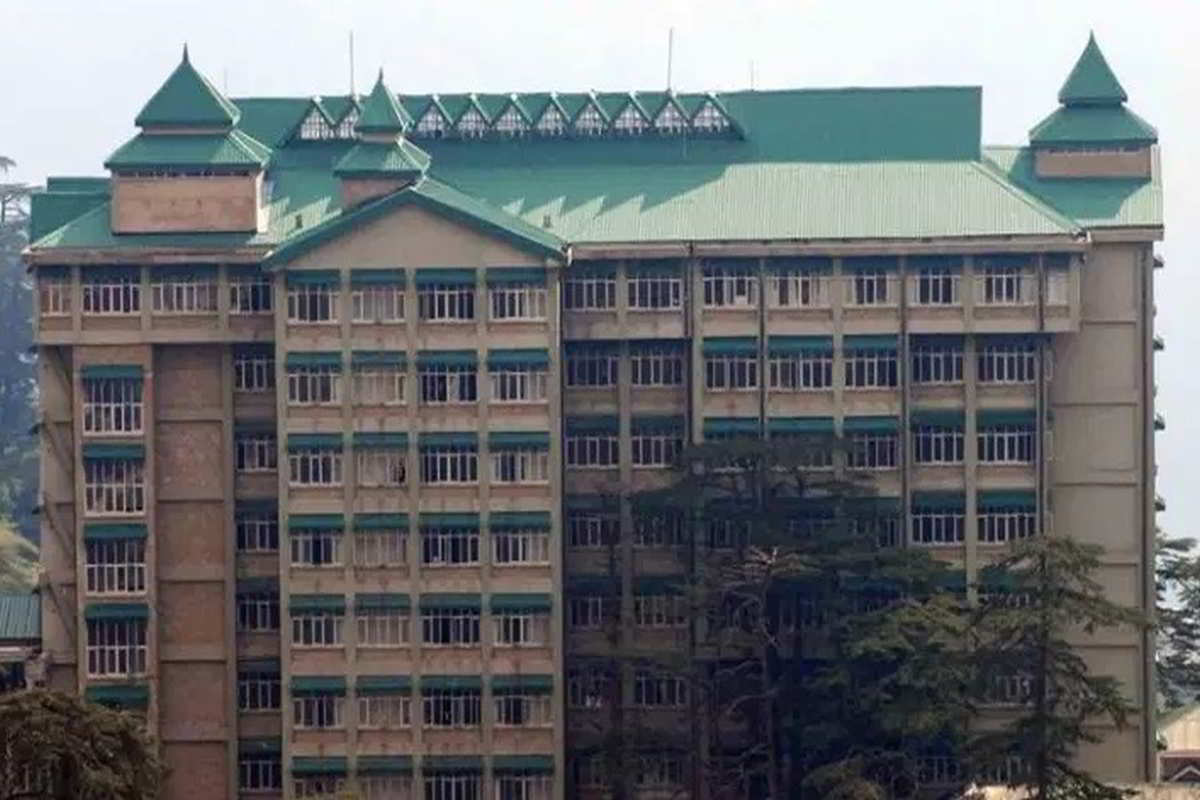
The Himachal Pradesh High Court has rejected a plea for Rs 40,000 monthly interim maintenance filed by a woman against her estranged husband, ruling that she failed to establish her allegations of domestic violence. The court observed that both individuals work as assistant professors with comparable financial standings, making it untenable to claim that the woman was unable to support herself.
Delivering the order on a revision petition, Justice Rakesh Kainthla upheld earlier decisions by both the trial court and an appellate court that had turned down her request for monetary relief. The court held that without substantiating claims of domestic abuse, the petitioner was not entitled to maintenance or any associated remedies under the law.
Brief Cohabitation and Subsequent Separation
The ruling highlighted that the marriage, solemnised in October 2023, lasted only six days before the couple separated on October 28, 2023.
Following their separation, the spouses executed a compromise deed in November 2023. The document recorded a mutual agreement to live separately due to misunderstandings between them. Justice Kainthla observed that the compromise deed made no mention of domestic violence or cruelty. The court noted that lower judicial forums had appropriately relied on this undisputed compromise, finding no evidence on record to corroborate the woman’s subsequent claims of mistreatment.
Opposing Allegations Before the Court
During the proceedings, the woman alleged that she was subjected to constant harassment and dowry-related taunts at her matrimonial home. She claimed her husband forced her to sleep on the floor, locked the kitchen, and withheld food from her. Appearing on her behalf through legal aid, advocate Vijay Panchta argued that persistent mistreatment made it impossible for her to remain in the household and maintained that her status as a legally wedded wife entitled her to financial maintenance.
Her petition further stated that her estranged husband earns approximately Rs 1 lakh per month as an assistant professor at a government college, arguing that earlier courts had overlooked the abuse she suffered.
In response, the husband contended that the domestic violence complaint was entirely fabricated. He stated that his wife stayed at the matrimonial home for only around five days, during which she acted abnormally, treated him as a stranger, declined to participate in wedding photography, and repeatedly refused to cohabit or consummate the marriage. He also accused her of misbehaving with him and his family members, emphasising that she was gainfully employed as an assistant professor and capable of self-support.
Judicial Findings on Financial Independence
The trial court previously determined that the husband’s account regarding the brief cohabitation and the refusal to consummate the marriage was credible. It also concluded that the woman was financially independent and capable of maintaining herself, leading to the dismissal of her initial application.
After the appellate court affirmed the trial court’s ruling, the woman approached the High Court through a revision petition. In its September 3 order, the High Court concluded that the subordinate courts had committed no error in determining that the petitioner failed to prove domestic violence and held that her financial independence disqualified her from claiming interim maintenance.


