

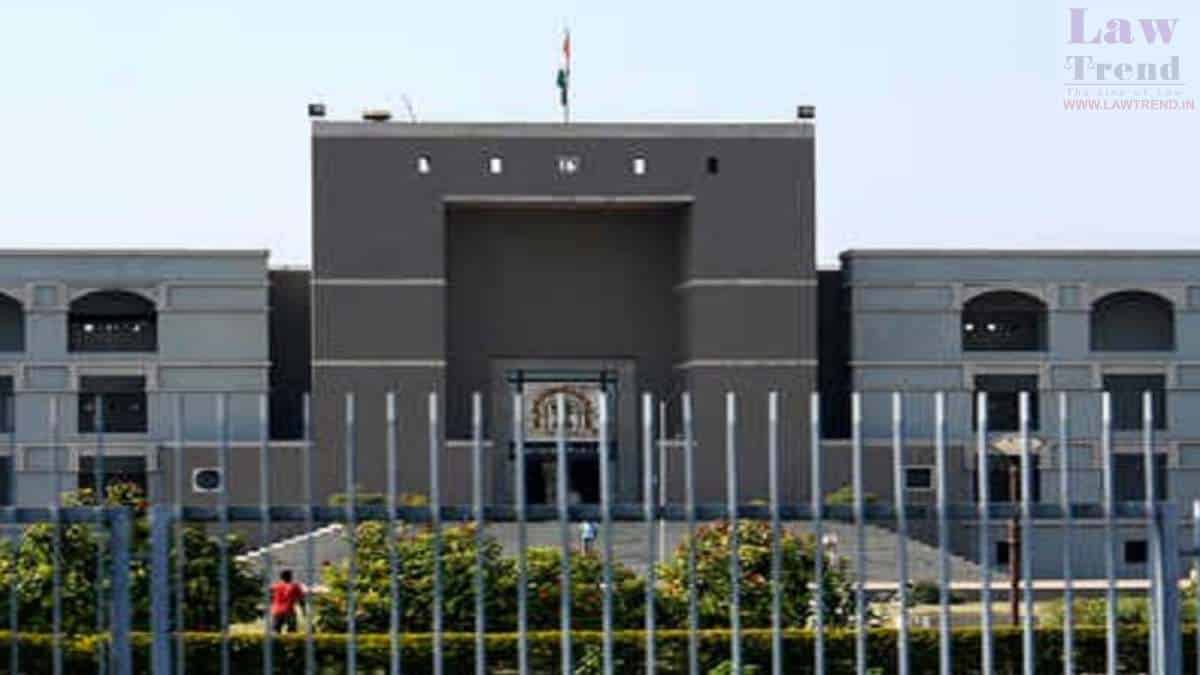
Commercial rights cannot take precedence over the religious and spiritual character of a pilgrimage destination, the Gujarat government informed the Gujarat High Court on Wednesday while defending a prohibition on storing and selling non-vegetarian food near the Somnath Temple.
Appearing before a bench headed by Justice Nisha M Thakor, the state argued that the 500-metre restriction zone around the temple in Gir Somnath district was justified given the site’s profound cultural and historical significance to millions of Hindu devotees. The submissions came during the hearing of a petition brought by six local restaurant owners seeking to overturn the state notification.
State Justifies Restrictions Around Sacred Site
Government pleader GH Virk submitted that Somnath cannot be treated as a standard commercial centre while ignoring its sacred nature. He contended that traders cannot claim an absolute constitutional right to sell meat and fish directly outside the shrine or along the primary routes traversed by pilgrims.
To highlight the scale of pilgrimage to the site, the administration informed the court that upwards of 1.16 crore worshippers had visited the Somnath Temple over the previous nine months. The government also pointed to similar non-vegetarian food bans enforced in other prominent religious hubs across India, including Haridwar, Rishikesh, Amritsar, and Mathura-Vrindavan.
Furthermore, state counsel clarified that the August notification does not mandate the closure of dining businesses. Eateries within the restricted zone remain free to operate as vegetarian establishments at their current locations, while non-vegetarian sales remain permissible outside the demarcated zones under regular legal provisions.
Restaurant Owners Challenge Legality of Order
The six petitioners, who operate eateries located in one of the six designated prohibition zones, approached the court after local authorities forced them to halt their operations. They have challenged the permanent restriction on constitutional grounds, asserting that it infringes upon their fundamental right under Article 19(1)(g) to practise any profession or carry on a trade or business.
According to the business owners, they have run their establishments lawfully for several decades under valid operating permits and their premises lie outside the immediate vicinity of the shrine. They argued that the district magistrate exceeded official authority by imposing an indefinite ban on a legal commercial activity without providing adequate justification.


