

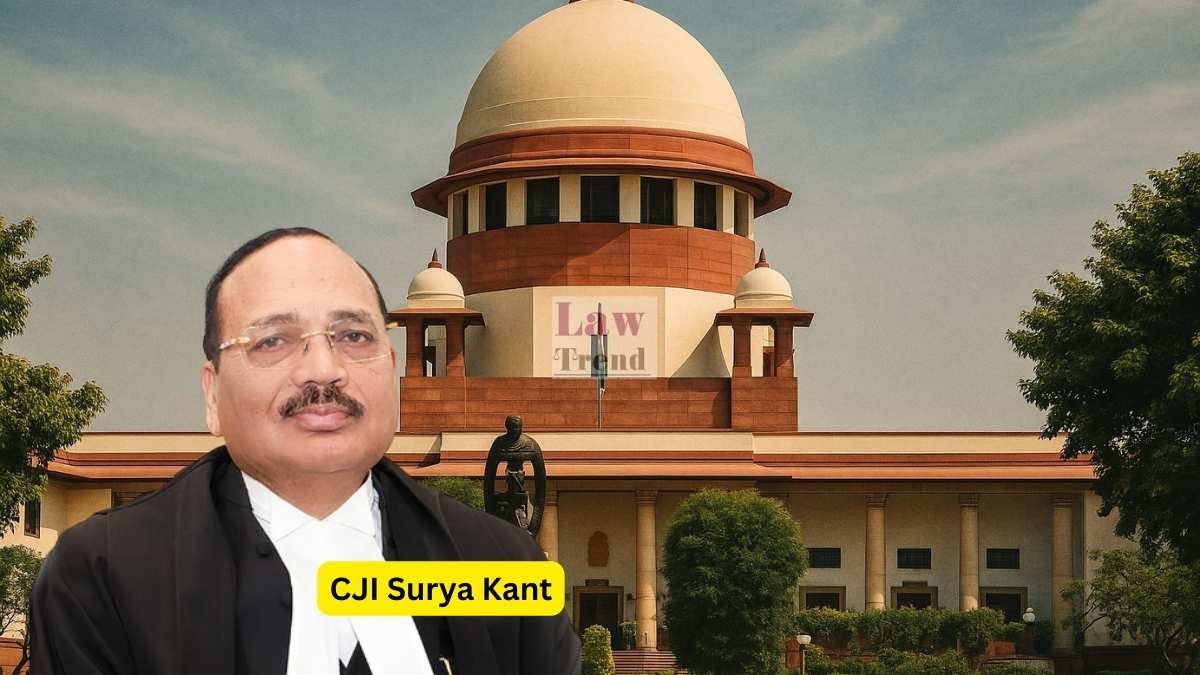
Chief Justice of India Surya Kant stated on Thursday that he will personally intervene if transport authorities and court officials fail to resolve access issues caused by widespread metro closures in New Delhi by lunchtime.
The assurance followed the Delhi Metro Rail Corporation’s decision to shut down 16 metro stations, including the Supreme Court station, until further notice in response to ongoing student demonstrations across the capital.
Protecting Litigants and Counsel
To prevent unfair outcomes for litigants whose legal representatives are unable to reach the premises, the Chief Justice directed all benches to refrain from issuing adverse orders solely because an attorney is absent due to the transit disruption.
Proposed Screening Measures
The issue was brought before a bench headed by the Chief Justice on Thursday morning by Supreme Court Bar Association President Vikas Singh. Highlighting the difficulty faced by legal professionals, registry staff, and litigants, Singh urged the court to arrange restricted exit permissions at the Supreme Court station.
Singh suggested that metro security personnel could screen passengers at the station’s exit points. Under this plan, individuals carrying official Supreme Court identification, registry credentials, or valid proximity passes would be permitted to exit, while uncredentialed passengers would be instructed to remain on the train.
Administrative Coordination
In response, Chief Justice Surya Kant confirmed that the apex court administration had already been instructed earlier in the morning to negotiate with Delhi Metro officials regarding the screening plan. He indicated that if those discussions do not produce an immediate solution by early afternoon, he will step in directly to address the matter.


