

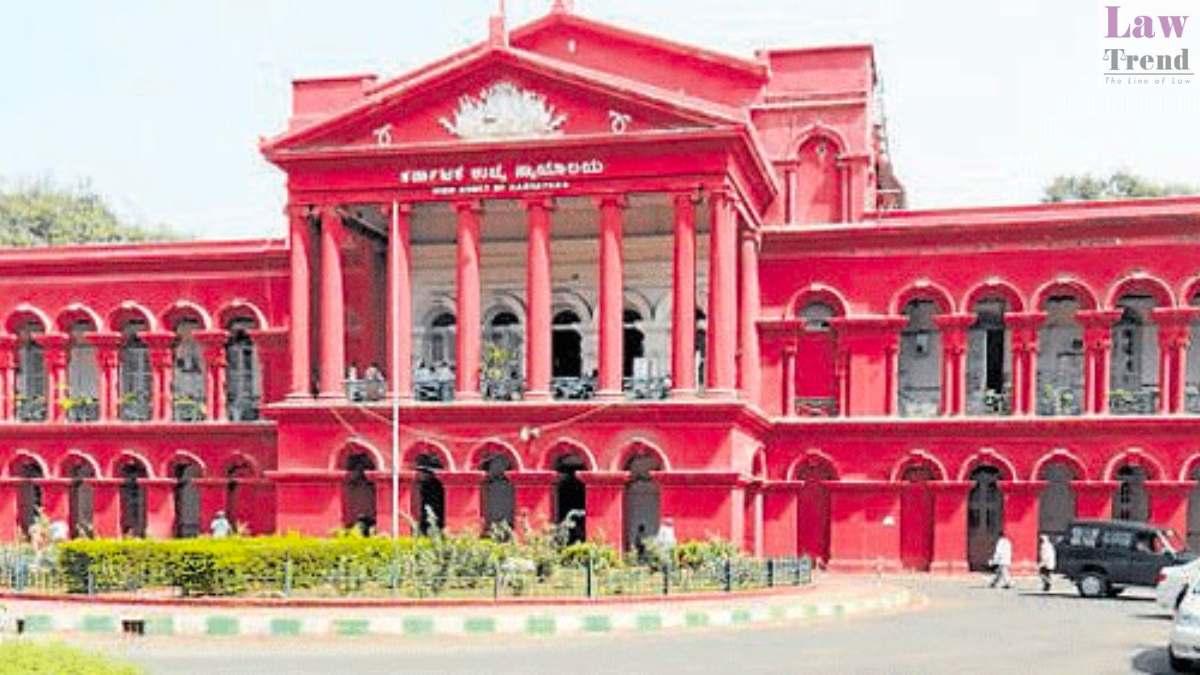
The Karnataka government has informed the High Court that no transgender individuals were subjected to strip searches or forced verifications during its recent Gender Minority Survey, dismissing demands for monetary compensation and an official public apology.
In a sworn affidavit submitted to the court, state authorities maintained that the survey was conducted in a dignified environment across designated private rooms at Taluk and District Government Hospitals. The government stated that participation was entirely voluntary, with no mandatory medical examinations or forced identity verification, adding that the administration of the survey was handled by trained transgender individuals.
Legal Challenge and Interim Directions
The state’s response stems from a public interest litigation filed in October 2025 by the Anita Humanitarian Foundation. The petition alleged that transgender respondents were subjected to invasive strip searches by fellow transgender personnel at government medical facilities during identification checks. On October 16, 2025, the High Court issued an interim directive prohibiting state authorities from using strip searches as an identification method during the survey process.
The petitioner requested a complete halt to the survey, the secure deletion of all gathered data, financial compensation for affected individuals, and a formal state apology, arguing that the exercise infringed upon fundamental rights to equality, liberty, and personal privacy under Article 21 of the Constitution.
Administrative Background and Confidentiality Safeguards
Contesting allegations of inadequate public consultation, the state noted that the survey initiative was first announced in the 2020–21 budget and executed via the Karnataka State Women Development Corporation. According to the affidavit, the survey questionnaire was formulated in active consultation with non-governmental organizations working within the transgender community.
Regarding data protection, state officials asserted that survey records are stored securely and utilized strictly for social welfare planning. The government clarified that analysis is performed exclusively on aggregated demographic data without disclosing personal information, maintaining that the process adheres to the Supreme Court’s landmark NALSA judgment and constitutional protections. As part of its broader statutory compliance under the Transgender Persons (Protection of Rights) Act, 2019, and its 2020 rules, the state highlighted that it has issued 4,689 identity certificates and cards to date.


