

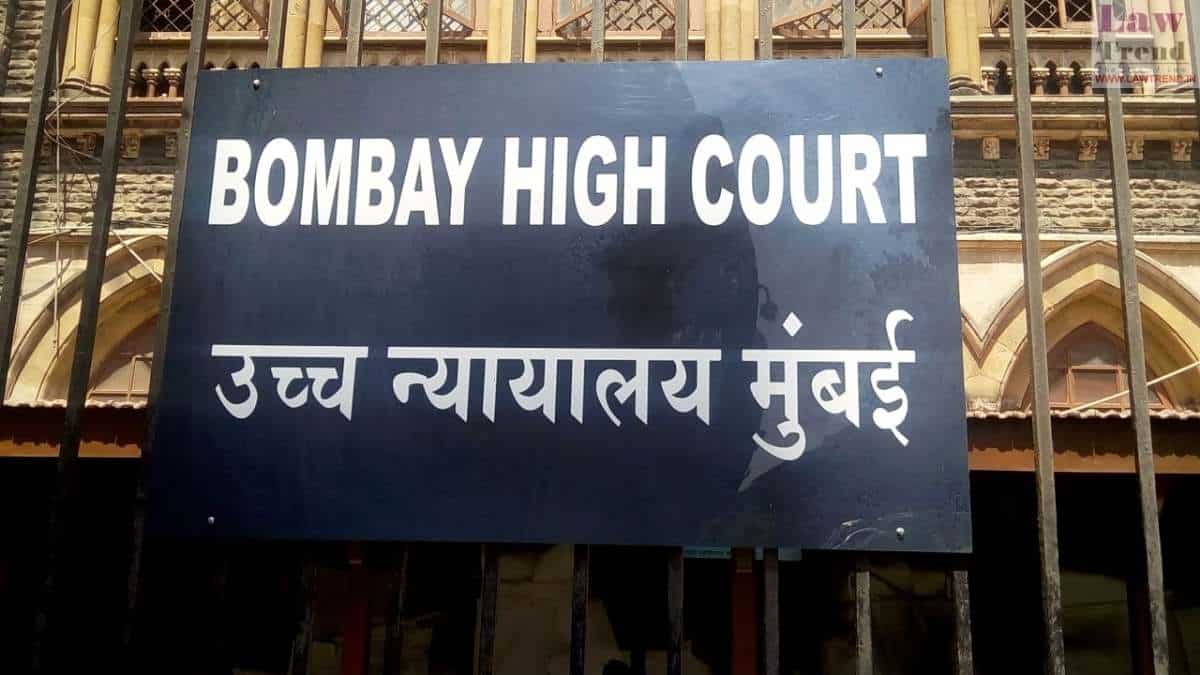
The Bombay High Court has discharged four men accused in the 2006 Malegaon serial blasts case, observing that the investigation appears to have reached a “dead end.” In a scathing judgment, the Court pulled up the National Investigation Agency (NIA) for “completely ignoring” the evidence and chargesheets previously filed by the Anti-Terrorism Squad (ATS), leaving the identity of those responsible for the deaths of 31 people an unresolved mystery.
A division bench comprising Chief Justice Shree Chandrashekhar and Justice Shyam Chandak quashed a September 2025 order by a Special Court that had framed charges against Rajendra Chaudhary, Dhan Singh, Manohar Ram Singh Narwaria, and Lokesh Sharma. The High Court noted that the special judge at the time had “not applied his mind” to the inherent contradictions in the case.
The 2006 Malegaon blasts, which occurred on September 8 just after Friday prayers at the Hamidia Masjid and Bada Kabrastan, killed 31 persons and injured 312 others. The legal trajectory of the case has been marked by “diagonally opposite stories.”
Initially, the Maharashtra ATS and the CBI arrested nine Muslim men, alleging they were the conspirators. However, when the NIA took over the probe, it proposed an entirely different theory, alleging that right-wing extremists were behind the explosions.
“The things as stand today give two contradictory versions of the incident and both stories as floated by the ATS and NIA cannot be reconciled by any stretch of imagination,” the High Court observed.
The Court highlighted that the NIA relied heavily on circumstantial evidence, hearsay, and retracted confessions. Specifically, the NIA’s case rested on a statement by Swami Aseemanand, which was later retracted, and purported links to bicycles used in the crime.
The Bench noted that the ATS had previously collected forensic evidence, including RDX traces from the soil at the incident site and a godown belonging to one of the original nine accused. The Court questioned why this material was ignored by both the NIA and the trial court.
“It is a mystery why the NIA did not collect fresh materials,” the judgment stated. “The special judge overlooked the inherent contradiction and intrinsic improbability in the prosecution story as put forth by the NIA.”
The High Court emphasized that for serious charges like murder, which carry the possibility of the death penalty, the trial court must ensure there is sufficient material to proceed. In this instance, no witnesses testified to seeing the accused at the scene, and the NIA failed to bridge the gap between its theory and the evidence already on record.
“The case seems to have reached a dead end. The diagonally opposite stories in the chargesheet filed by the ATS and the NIA lead nowhere,” the order read.
While the four appellants—who have been out on bail since 2019 after six years of incarceration—stand discharged, the question of culpability remains open. The appeal filed by the ATS against the 2016 discharge of the original nine Muslim accused remains pending in the High Court and has not been heard since 2019.


