

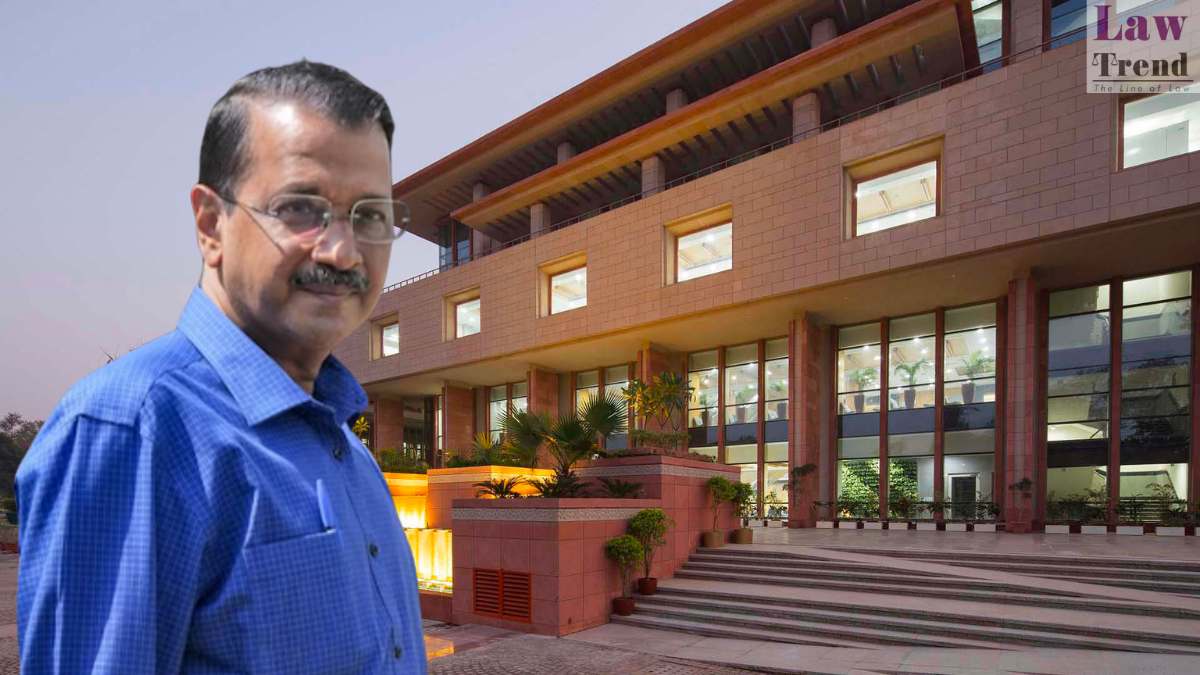
A Division Bench of the Delhi High Court has officially overturned a 2021 single-judge order which previously held that a COVID-19 lockdown announcement regarding rent payments for poor tenants was legally binding. The Court clarified that statements made during press conferences do not constitute legal promises that can be enforced through judicial intervention.
The dispute arose from an announcement made by former Chief Minister Arvind Kejriwal on March 29, 2020. During the peak of the pandemic-induced lockdown, the Chief Minister stated that the government would pay the rent for tenants who were unable to do so due to poverty. Following this, five daily wage workers and a landlord filed a petition seeking the fulfillment of this assurance.
In July 2021, a single judge ruled that such a promise by a Chief Minister was enforceable and directed the Delhi Government to establish a policy within a specific timeframe. The Delhi Government challenged this, arguing the statement was an appeal to landlords rather than a firm contractual commitment. The Division Bench had stayed the implementation of the lower court’s order in September 2021, citing potential administrative difficulties.
The Delhi Government maintained that the Chief Minister’s words were intended as a fervent appeal to landlords to show leniency during a humanitarian crisis. They argued that the administration had only committed to looking into the issue if necessary, rather than creating a definitive financial liability.
The petitioners, however, contended that the head of the executive had made a clear representation to the public. They argued that this created a legitimate expectation among vulnerable citizens who remained in their rented accommodations relying on the state’s assurance of financial support.
The Division Bench, consisting of Justice C. Hari Shankar and Justice Om Prakash Shukla, examined the legal standing of oral assurances made outside formal administrative channels. The Court determined that a press conference address cannot be treated as a legal promise enforceable by the judiciary. Furthermore, the Bench emphasized that a writ of mandamus cannot be used to force the government to implement such informal assurances.
The Court noted that the Chief Minister’s statement was not incorporated into any official government order, such as the Delhi Disaster Management Authority (DDMA) directives issued on the same day. The Bench observed that the announcement appeared to be a response to an emergency situation where the long-term financial and practical implications were not fully established. While the Court acknowledged that the Delhi Government is free to make a policy decision to assist tenants, it clarified that the judiciary cannot compel the state to take such a step.
The High Court allowed the appeal filed by the Delhi Government and set aside the earlier 2021 order. The Bench held that the demand to implement the March 2020 announcement was not valid in law.
However, the Court provided significant relief to migrant tenants by ruling that landlords are prohibited from demanding rent for the specific period when tenants were unable to leave their homes due to the lockdown. This benefit is strictly limited to the duration of the lockdown and does not extend beyond that period. With these observations, the Court disposed of the appeal with no order as to costs.




