

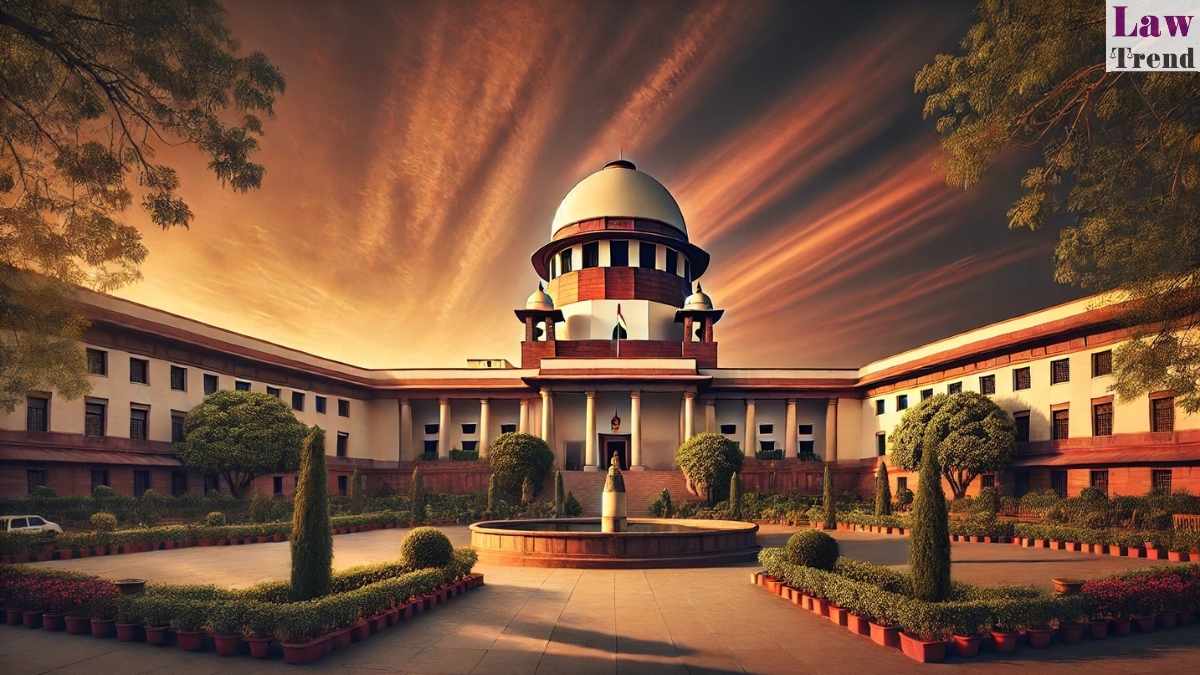
The Supreme Court on Thursday reserved its decision on whether to refer petitions challenging the 2023 law governing the appointment of the Chief Election Commissioner and Election Commissioners to a five-judge Constitution Bench, following arguments over procedural fairness in the selection mechanism.
A two-judge bench comprising Justices Dipankar Datta and S C Sharma heard the petitions against the Chief Election Commissioner and Other Election Commissioners (Appointment, Conditions of Service and Term of Office) Act, 2023. The legislation establishes a three-member selection panel consisting of the Prime Minister, a Union Cabinet Minister, and the Leader of the Opposition.
Questions Over Procedural Fairness
During the hearing, the court raised questions regarding the appearance of fairness in the appointment process, noting that the selection committee inherently holds a 2-1 majority in favor of the executive. Justice Datta observed that because election commissioners must remain independent, the selection process must not only achieve fairness in practice but must also visibly demonstrate it to the public.
Centre Defends Panel Structure And Cites Executive Sanctity
Defending the statutory framework, Solicitor General Tushar Mehta, representing the central government, urged the court to refer the matter to a five-judge Constitution Bench. Mehta argued that the constitutional importance of the issue requires examination by a larger bench, particularly regarding why independence is emphasized for specific offices and how trust is distributed among state organs.
Mehta submitted that the office of the Prime Minister carries constitutional sanctity and that questioning the committee’s decisions based on its numerical composition undermines constitutional trust. He argued that assuming a prime minister and cabinet minister would fail to act in the interest of democracy simply due to a numerical majority casts unnecessary doubt on parliamentary wisdom and executive authority.
Distinction Between Cabinet Appointments And Independent Oversight
In response, Justice Datta clarified that the court was not questioning the prime minister’s constitutional authority or trust in executive decisions, such as selecting cabinet ministers. However, the bench highlighted a distinction between choosing cabinet colleagues and appointing members to an independent constitutional body responsible for conducting elections.
To support the government’s position, the Solicitor General cited the precedent established in Manoj Narula v. Union of India, where a five-judge bench recognized the constitutional trust reposed in the prime minister to select suitable individuals for executive roles.
Debate On Constitutional Principles
The hearing also included references to constitutional history, with Justice Datta citing remarks by B.R. Ambedkar concerning public officials and ministers facing legal cases in various states. Countering the point, Mehta referenced past judicial discussions surrounding the judge-led collegium system for judicial appointments, prompting the bench to reflect briefly on the evolution of appointment practices over time.
The Supreme Court has reserved its order on the Centre’s request for a referral to a five-judge Constitution Bench.




