

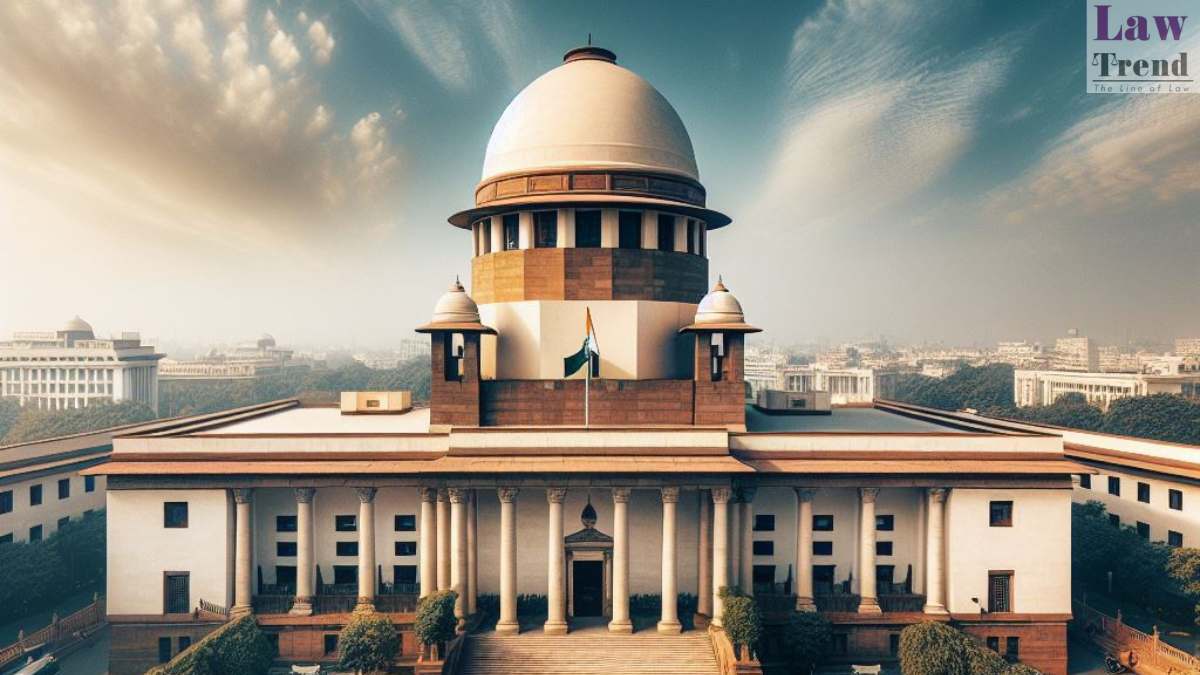
The Supreme Court on Tuesday highlighted the necessity of establishing a specialized expert body to oversee legal education, observing that the central government has a crucial role to play in addressing curriculum standards and the duration of law programs.
Centre Urged to Formulate Policy Response
A three-judge bench comprising Chief Justice Surya Kant, Justice Joymalya Bagchi, and Justice V Mohana noted that contemporary governance relies increasingly on specialized institutions, making an expert body for legal education essential. Characterizing the underlying issue as significant, the bench stated that the Union of India must take an active role and formulate a concrete plan of action.
The court made these remarks during proceedings on a petition filed by advocate Ashwini Kumar Upadhyay. The plea urged the judiciary to direct the Centre to constitute a legal education commission or an expert panel—comprising distinguished jurists, retired judges, advocates, educationists, and professors—to re-evaluate the syllabi, academic curricula, and program lengths for Bachelor of Laws (LLB) and Master of Laws (LLM) degrees.
Plea Questions Duration and Cost of Integrated Degrees
According to the petition, the National Education Policy 2020 advocates four-year undergraduate programs across both academic and professional disciplines, yet the Bar Council of India has not taken appropriate measures to revise the syllabus, curriculum, or length of current law courses.
The petition further argued that the five-year duration required for integrated courses such as BA-LLB and BBA-LLB is disproportionate to the actual course content. Upadhyay contended that the extended timeframe places an excessive financial strain on students and their families, warning that the protracted and expensive nature of these degree tracks actively discourages prospective candidates from pursuing legal studies.


