

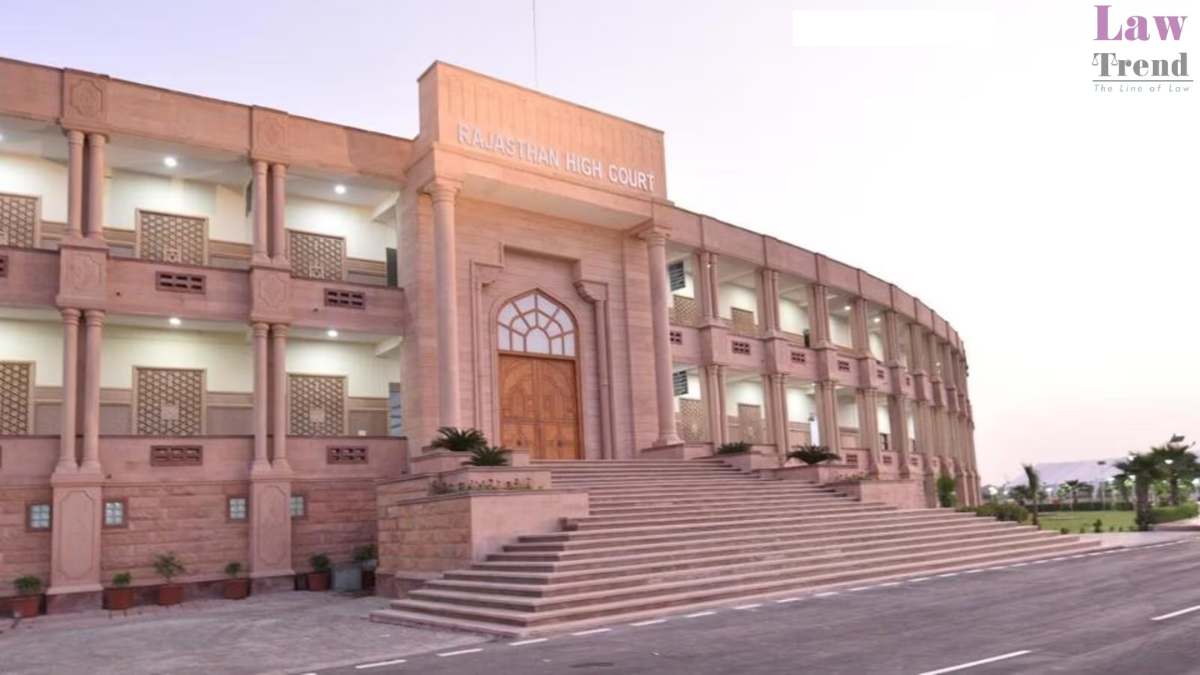
The Rajasthan government has moved the Jaipur Bench of the High Court seeking a deferment of the upcoming panchayat elections, citing procedural hurdles in finalizing OBC surveys and voter lists.
In an application filed today, the state government requested an extension of the court’s previous deadline, which mandated that local body polls be conducted by April 15, 2026. The original directive followed public interest litigations (PILs) filed by Sanyam Lodha and Girraj Devanda, which challenged the ongoing delays in holding local elections.
The government’s plea, filed by Advocate General Rajendra, outlines a detailed account of why the April deadline is currently untenable. Speaking on the development, Urban Development and Housing Minister Jhabar Singh Kharra identified two primary challenges: the completion of a mandatory OBC commission survey and the reconciliation of electoral rolls.
According to Minister Kharra, the initial round of the survey conducted by the OBC Commission revealed significant “flaws.” This discovery has forced the commission to direct district collectors to re-survey numerous locations.
“The second round of the survey and finalizing the report will take at least two to three months,” Kharra stated, emphasizing that the government cannot proceed with the election process until these figures are finalized and legally sound.
Beyond the commission’s report, the government pointed toward a potential legal crisis regarding the State Election Commission’s (SEC) electoral rolls. During a special intensive revision (SIR) process, officials discovered a mismatch between different voter lists.
The Minister explained that a significant number of names included in the SEC list were found to have been dropped from the SIR list.
“This would be illegal if we allowed those people to vote,” Kharra noted. “Hence, we need to revise our roles further, which is also a time-consuming process.”
The High Court is expected to hear the government’s submission and decide whether the administrative and legal complexities justify a further delay in the democratic process at the local level.




