

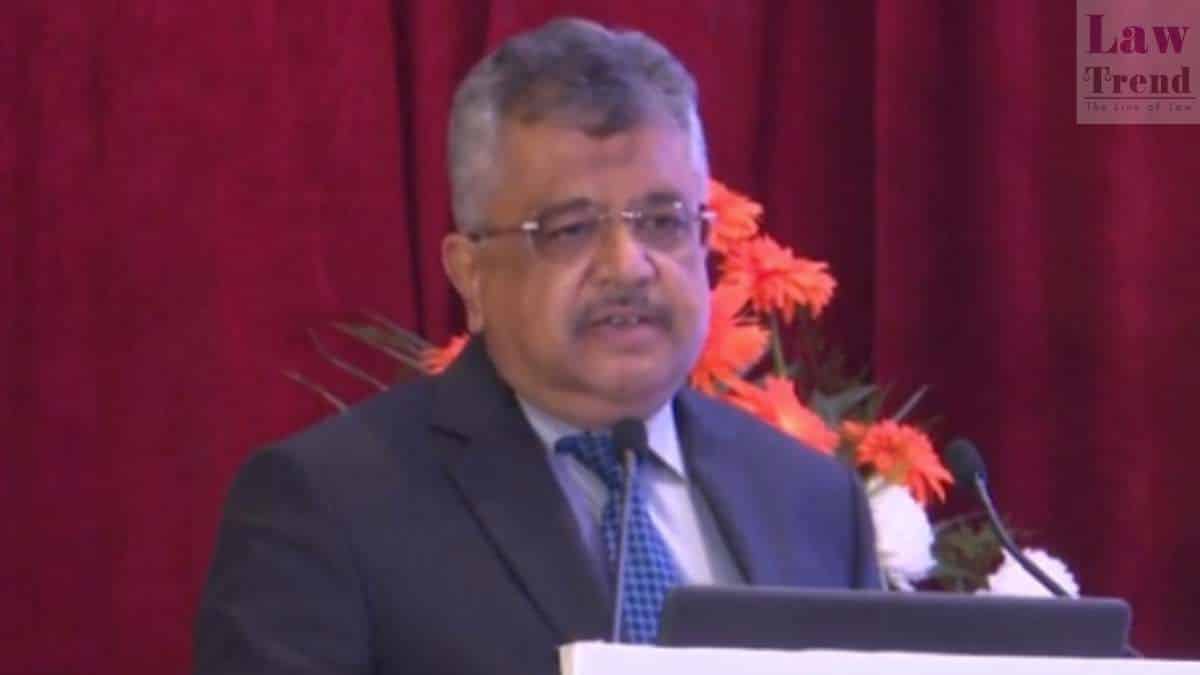
Solicitor General Tushar Mehta on Monday made a stinging submission before the Delhi High Court, urging the initiation of contempt proceedings against former Chief Minister Arvind Kejriwal and several other AAP leaders. The senior law officer described their request for Justice Swarana Kanta Sharma’s recusal from the liquor policy case as “apprehensions of an immature mind” and an attempt to instill fear in the judiciary.
Justice Sharma reserved her verdict late Monday evening after hearing extensive arguments from Arvind Kejriwal, counsel for other discharged accused, and the Solicitor General.
The controversy stems from applications filed by Arvind Kejriwal, Manish Sisodia, Durgesh Pathak, and others, seeking that Justice Sharma withdraw herself from hearing the CBI’s challenge against their discharge. On February 27, a trial court had discharged the accused, famously remarking that the CBI’s case was “wholly unable to survive judicial scrutiny.”
However, on March 9, Justice Sharma issued notices to all 23 accused, noting that the trial court’s findings “prima facie appeared erroneous.” She also stayed recommendations for departmental action against the CBI’s investigating officer.
Appearing personally before the judge on Monday, Kejriwal argued that there is a “grave, bona fide, and reasonable apprehension” that the hearings would lack impartiality. He pointed to the “speed” with which the CBI’s petition was being heard compared to other cases on the judge’s roster and suggested a “trend” of the court endorsing the arguments of investigating agencies.
The Aam Aadmi Party chief also raised objections regarding Justice Sharma’s attendance at events organized by the Akhil Bharatiya Adhivakta Parishad, which he suggested raised concerns about neutrality.
Solicitor General Tushar Mehta strongly countered these claims, asserting that the threshold for a judge’s recusal is exceptionally high and should remain a “rare” remedy.
“It is a matter of institutional respect. If this is the standard, would the court decide cases on the basis of what the public feels?” Mehta argued. He cautioned that if the judge succumbed to “unfounded allegations” and recused herself, it would set a “bad precedent” for the entire judicial system.
Addressing the specific allegations, Mehta stated:
- On Political Bias: He defended the Akhil Bharatiya Adhivakta Parishad, describing it as a “bar association” rather than a political wing, noting that many Supreme Court and High Court judges have attended its legal events.
- On Earlier Orders: He clarified that Justice Sharma’s previous observations in the liquor policy matter were only “tentative” and based on circumstances existing at that time.
- On the Speed of Hearing: He explained that short dates were given in compliance with the Supreme Court’s mandate to expedite cases involving MPs and MLAs.
Mehta further defended the court’s March 9 order to adjourn proceedings in a related money laundering case, stating no prejudice was caused to the accused. He concluded by urging the court to dismiss the recusal applications with costs and to take strict action against what he termed an attempt to “instill fear” in the court.
The matter reached Justice Sharma after Delhi High Court Chief Justice D.K. Upadhyaya declined Kejriwal’s request to transfer the CBI’s plea to another bench, ruling that the decision on recusal must be made by the concerned judge herself.
The high-stakes hearing concluded late in the evening, with the court reserving its order on whether Justice Sharma will continue to preside over the CBI’s petition against the discharge of the AAP leaders.




