

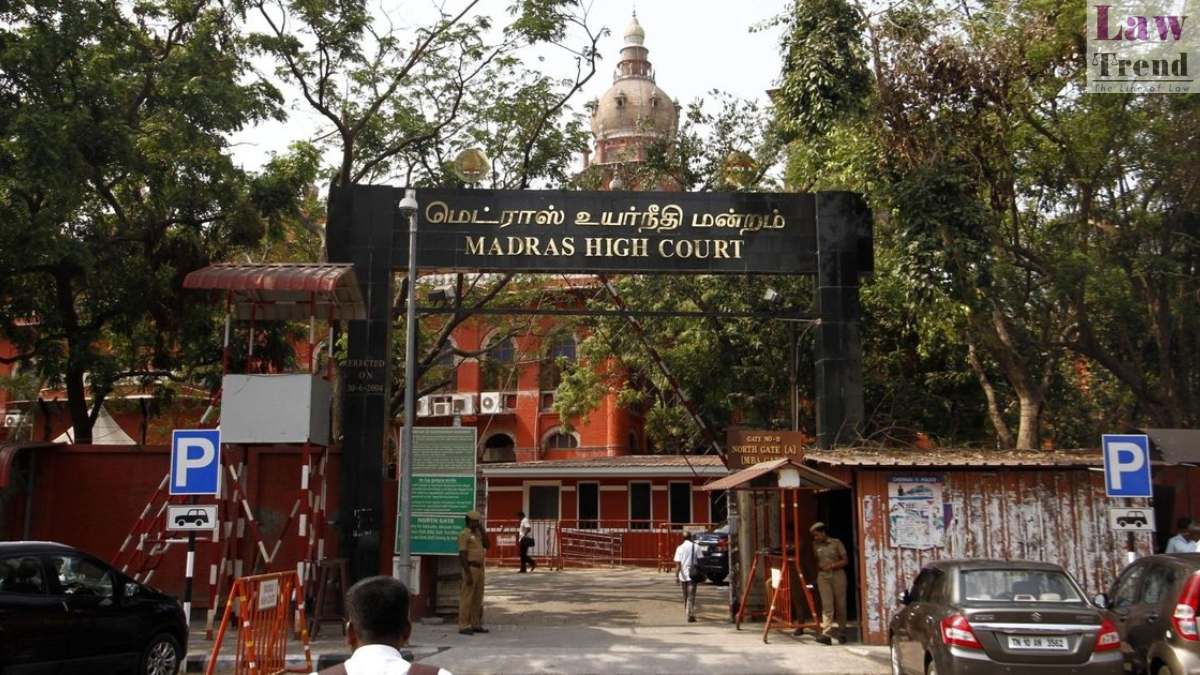
In a significant legal development, the Madras High Court on Wednesday ordered the Central Bureau of Investigation (CBI) to take over the probe into alleged irregularities involving the procurement of 45,000 distribution transformers by the Tamil Nadu government. The court’s intervention comes amid allegations that the state exchequer suffered a staggering loss of ₹397 crore during the procurement process carried out between 2021 and 2023.
A Division Bench comprising Chief Justice S.A. Dharmadhikari and Justice G. Arulmurugan directed the Directorate of Vigilance and Anti-Corruption (DVAC) to transfer all case-related documents to the central agency within two weeks.
The legal battle was initiated through multiple petitions. The NGO Arappor Iyakkam originally sought an inquiry by a Special Investigation Team (SIT). Simultaneously, AIADMK legal wing functionaries E. Saravanan and Rajkumar moved the court seeking a CBI investigation.
The petitioners alleged that massive financial irregularities occurred during the procurement of 45,000 transformers. These transactions took place during the tenure of Senthil Balaji as the Minister for Electricity under the DMK-led government. According to the claims, the state incurred a loss of approximately ₹397 crore due to inflated costs or procedural lapses in the distribution of contracts.
While hearing the petitions, the Bench observed the necessity of a fresh and independent investigation to uncover the truth behind the procurement process.
The Court directed:
- Transfer of Case: All complaints and documents currently with the DVAC must be handed over to the CBI within a 14-day window.
- Expeditious Inquiry: The CBI is mandated to conduct a fresh investigation and conclude the proceedings “expeditiously,” followed by appropriate legal action.
- State Cooperation: The judges explicitly ordered the Tamil Nadu government, the DVAC, and the Tamil Nadu Generation and Distribution Corporation (TANGEDCO) to extend “full cooperation” to the CBI throughout the investigative process.
The ruling marks a shift in the investigation from state-level agencies to the central body, highlighting the court’s intent to ensure a transparent audit of the multi-crore public expenditure.




