

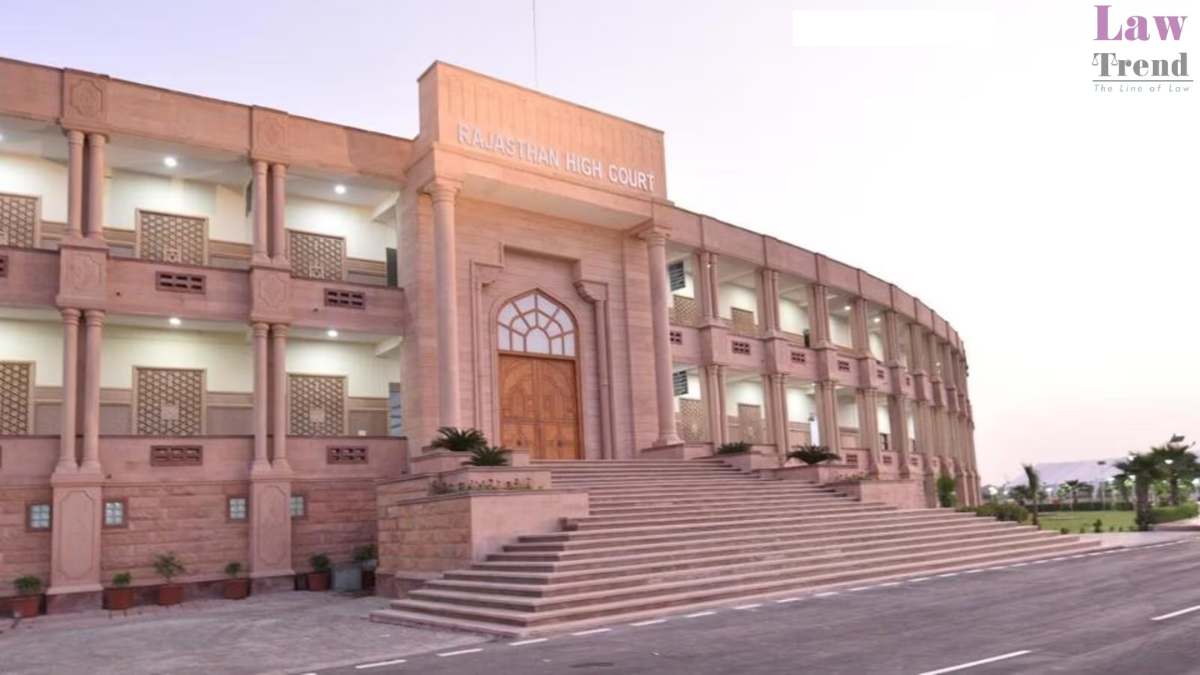
The Rajasthan High Court has stepped in to address a critical manpower shortage in the state’s sanitation department, seeking an explanation from the state government regarding the prolonged delay in appointing sanitation workers (Safai Karamcharis) from recruitment drives dating back to 2012 and 2018.
A single-judge bench of Justice Ravi Chirania, while hearing a cluster of petitions led by Inderraj Nidaniya, issued notices to the state government. The court has demanded a detailed response within three weeks, specifically questioning why appointment processes are being handled inconsistently across different urban local bodies.
The court’s intervention highlights a significant disparity in how recruitment is being managed across the state’s 309 urban local bodies. While the government has finalized appointments in municipalities like Rajakhera, Kota, Rajsamand, Tonk, and Churu, similar processes remain stalled in major hubs, including the Jaipur Municipal Corporation.
The petitions allege that the Alwar Municipal Corporation initiated an appointment process that was never extended to other regions. This “selective issuance” of appointment orders has left hundreds of qualified candidates in a state of limbo for years.
During the proceedings, Advocate Abhinav Sharma, representing the petitioners, presented alarming data regarding the state’s sanitation infrastructure. Out of the total sanctioned strength, approximately 23,820 posts of Safai Karamcharis remain vacant across Rajasthan.
The crisis is particularly acute in the state capital. Jaipur alone reportedly has 4,077 vacancies that have been pending for over 14 years. The petitioners argued that this massive shortage is directly impacting the quality of sanitation services and public health in urban areas.
The petitions represent over 380 individuals, many from the Valmiki community, who claim they have been unfairly sidelined. According to the pleas, the state has used “committee reviews” as a pretext to delay appointments for years.
Key points raised by the petitioners include:
- Failed Agreements: A 2024 agreement following a strike in Jaipur had assured early appointments, yet the state allegedly attempted to restart the entire recruitment process for 2024-25 before eventually withdrawing that move.
- Judicial Precedents: The petitioners cited the 2017 Lalit Kumar case, where the High Court had ordered the 2012 recruitment to be completed within three months—a directive that remains unfulfilled for many.
- Supreme Court Mandates: The arguments also drew upon the Supreme Court’s landmark judgment in Safai Karamchari Andolan vs Union of India, which emphasized the rehabilitation of those engaged in manual scavenging and their right to priority in public employment.
The petitioners are now seeking directions for the state to grant them appointments against vacant posts in various urban bodies, including Jaipur, Rajgarh, and Beawar, on par with those already appointed in other municipalities.




