

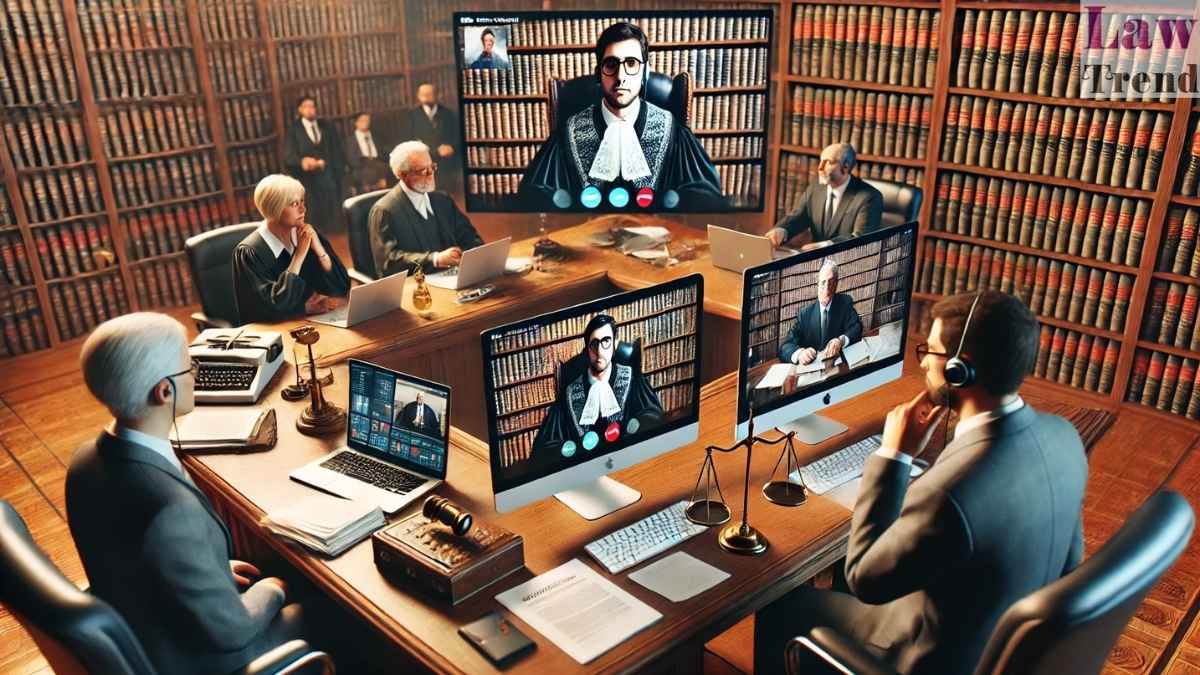
The virtual proceedings of the Delhi High Court were thrown into chaos on Wednesday after unidentified individuals hijacked the video conferencing (VC) system to stream obscene content, leading to a total shutdown of the digital interface.
The disruption, which occurred in the Chief Justice’s courtroom, saw pornographic material played repeatedly while the bench was actively conducting hearings. The breach has raised urgent questions regarding the security protocols and access controls governing India’s virtual legal infrastructure.
Repeated Disruptions and “Hacked” Alerts
The security breach was not a singular event but a sustained disruption that forced the court to halt proceedings twice. Following the first appearance of the objectionable material, court staff managed to shut down the system and restart the session. However, the intruders quickly regained access.
During the second interruption, a message appeared on the screen stating, “You’ve been hacked.” This was accompanied by an automated voice echoing the same announcement, suggesting a deliberate and coordinated cyber attack rather than a mere accidental intrusion.
Identification of Accounts
According to reports, the incident was triggered by unauthorized users who joined the virtual session and utilized the “screen share” feature to broadcast the material. The accounts used to facilitate the disruption were identified under the names Sridhar Sarnobat and Shitjeet Sighn.
The brazen nature of the attack, specifically targeting the highest courtroom in the capital, caused immediate concern among the judges and legal professionals present in the virtual lobby.
Security Response and System Shutdown
In response to the second wave of explicit content and the hacking announcement, authorities took the preemptive step of shutting down the video conferencing system entirely. The digital courtroom has not been reopened since the shutdown, and it remains unclear when the virtual interface will be deemed secure enough to resume operations.
This incident highlights a growing vulnerability in the shift toward digital justice. While virtual hearings were designed to increase accessibility, the ease with which unauthorized individuals could gain entry and manipulate the platform has now become a focal point for court administrators.
The Delhi High Court is expected to investigate how these “random users” gained access to the secure hearing link and whether further safeguards, such as waiting rooms or restricted screen-sharing permissions, were bypassed.




