

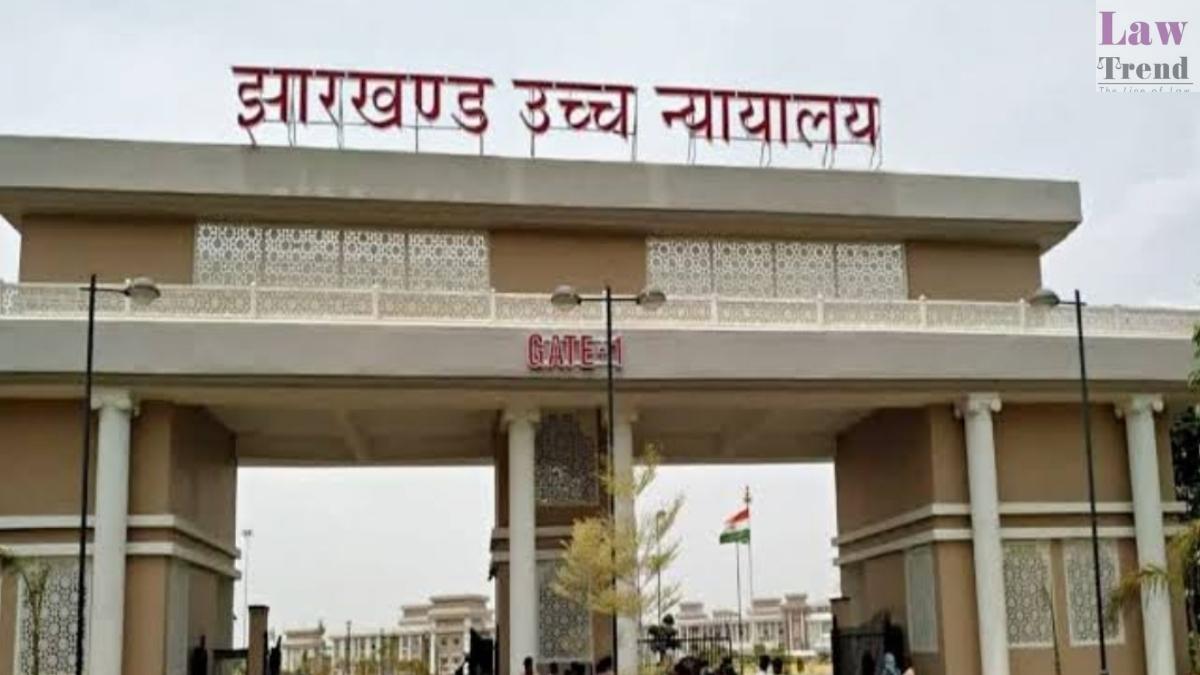
The Jharkhand High Court has directed the Coal Mines Provident Fund Organisation to grant a compassionate appointment to the married daughter of a deceased employee within eight weeks, ruling that marital status alone cannot disqualify an applicant if financial dependency on the late worker is established.
Justice Deepak Roshan held that a spouse’s meagre income does not automatically negate a daughter’s dependency on her father prior to his death. The court observed that the petitioner, who lacks an independent income, lives with and cares for her elderly mother—a kidney donor who cannot perform mine work—while the late employee’s two sons have refused to provide financial support.
Denial Based on Marital Status
The matter originates from the death of Arjun Prasad, who worked as an assistant at a coal mines facility in Dhanbad until his death in harness on November 25, 2013. Prasad left behind his wife, daughter, and two sons. Following his passing, the widow nominated their daughter for a compassionate job. However, the organisation rejected the application in July 2017 on the grounds that the daughter was married.
The daughter challenged the rejection in the Jharkhand High Court in 2023. Although the court allowed her to submit a fresh representation, the organisation rejected her claim a second time in February 2024 during contempt proceedings.
Arguments Before the Bench
Advocate Ratnesh Kumar, representing the petitioner, argued that the widow was elderly and had donated a kidney to her late husband, making her physically unable to work in the mines. He stated that the daughter remained dependent on her father even after marriage because of her husband’s limited income, and that she was committed to supporting her mother.
Representing the coal organisation, advocate Prashant Kr Singh argued that the daughter was not fully dependent on her father at the time of his death, noting that she was already married, her husband had an income, and her two brothers were employed.
Court Findings and Final Directive
Justice Roshan noted that the daughter and mother were living together and surviving on a small pension from the mines due to the husband’s low financial capacity. The bench also found that the two brothers lived independently and declined to care for their mother.
The court held that the employer had misinterpreted the situation by assuming the husband’s minimal earnings meant the daughter was not dependent on her late father, who had supported her and her children. Concluding that marital status cannot override established dependency, the High Court instructed the organisation to issue the compassionate appointment in accordance with applicable rules within eight weeks.




