

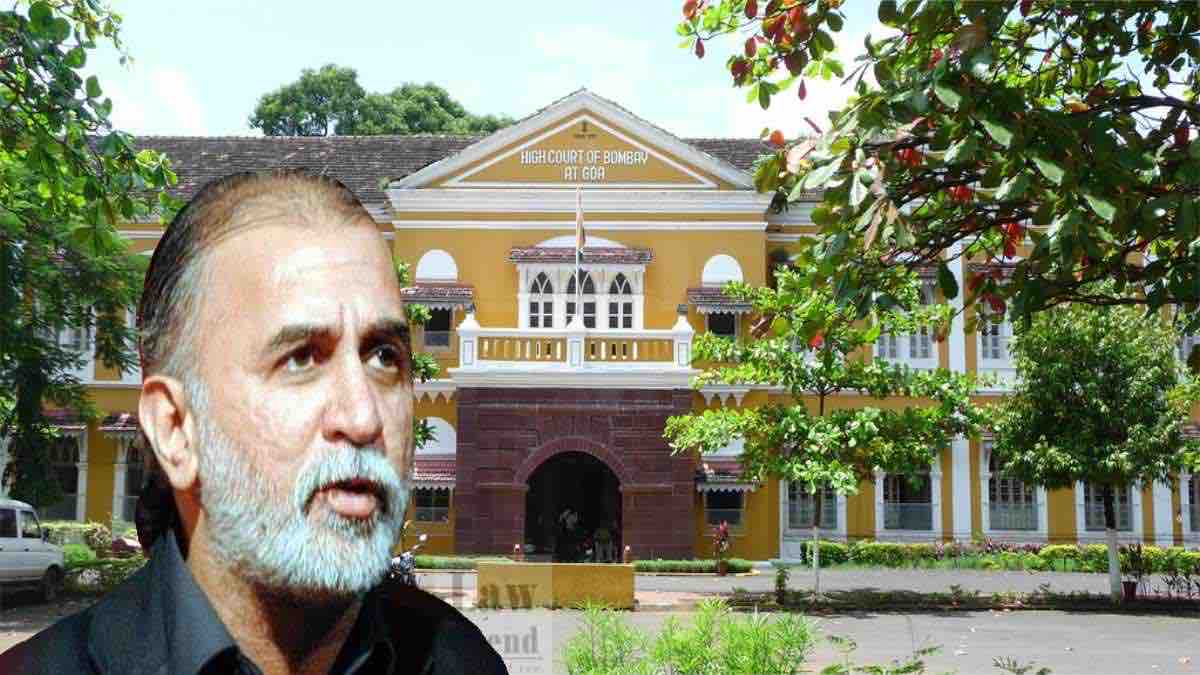
The Bombay High Court in Goa on Thursday convicted journalist and former Tehelka editor-in-chief Tarun Tejpal of rape, sexual harassment, and the use of criminal force, overturning a lower court verdict that acquitted him in 2021.
The 62-year-old faces a minimum mandatory sentence of 10 years, which could extend to life imprisonment. The conviction falls under specific legal categories involving sexual assault committed by a person in a position of trust, control, dominance, or authority over a woman. Tejpal, who attended the court proceedings, requested leniency from the bench on the grounds of his age. Sentencing is scheduled for 2:30 p.m.
Case Background And Allegations
The charges originate from an incident in November 2013, when a female journalist accused Tejpal of sexually assaulting her inside a hotel elevator on November 7 and November 8.
In 2021, a Goa sessions court acquitted Tejpal, reasoning that the complainant’s post-incident conduct did not reflect typical victim behavior following a sexual assault. The trial judge noted that messages sent by the woman showed she was neither traumatized nor terrified, concluding that her communications contradicted the prosecution’s claims.
Reversal Of 2021 Acquittal
The Goa state government subsequently challenged the acquittal before the High Court, characterizing the lower court’s findings as perverse and arguing that the trial judge had improperly established guidelines on how a victim ought to react under such circumstances.
During the appellate hearings, Solicitor General of India Tushar Mehta, representing the state, argued that the trial court had effectively put the complainant on trial. Mehta pointed to inappropriate cross-examination questions regarding the complainant’s personal choices—such as drinking, smoking, consensual sexual history, and conversations with friends—stating these topics should not have influenced the judgment. He further submitted that an email sent by Tejpal after the incident, in which the former editor apologized for a lapse of judgment and expressed shame, served as an admission that the encounter occurred.
Defence Arguments And Evidence
Defence counsel Aabad Ponda opposed the state’s appeal, arguing that surveillance footage failed to support claims that Tejpal pulled or forcibly dragged the complainant into the elevator. Citing WhatsApp messages, emails, witness testimony, and CCTV recordings, the defence asserted that the woman’s movements after the alleged assault were unconstrained, noting that she continued attending events and visited actor Robert De Niro’s hotel suite late at night.
The defence also argued that the prosecution misconstrued Tejpal’s apology emails, maintaining that the messages referred exclusively to a consensual conversation of a sexual nature rather than any physical or sexual assault.




