

Heated Exchanges and ‘Wrong’ Orders Do Not Warrant Contempt Against Judges: Allahabad High Court
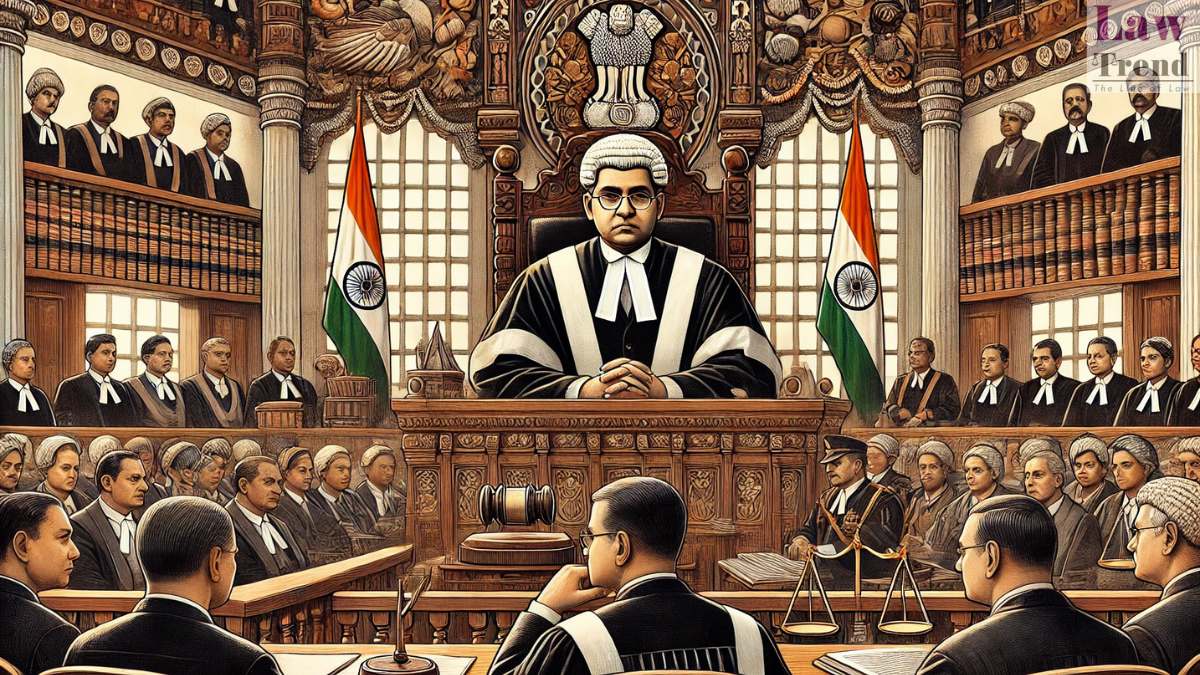
The High Court of Judicature at Allahabad has dismissed a criminal contempt application filed by a practicing advocate against a sitting Judge of the same court, ruling that heated exchanges between a counsel and the Court do not satisfy the definition of criminal contempt under the Contempt of Courts Act, 1971.

A Division Bench comprising Justice Salil Kumar Rai and Justice Devendra Singh-I held that such exchanges neither scandalize the court nor obstruct the administration of justice. The Bench further clarified that the validity of a court’s order or recommendations for disciplinary action against an advocate cannot be adjudicated within contempt proceedings.

Background of the Case

The applicant, Arun Mishra, a practicing advocate of the Allahabad High Court, filed a contempt application under Contempt Application (Criminal) No. 2 of 2026. He pleaded that criminal contempt proceedings be instituted and registered against a sitting Judge of the High Court.

The applicant’s plea arose from proceedings on November 26, 2025, in a writ petition where he was representing the petitioner. According to the applicant, due to certain prior events, he had requested the concerned Judge to “release” (recuse from) the case because he “did not have confidence on the Judge.”

The applicant alleged that the concerned Judge humiliated him, subsequently dismissed the writ petition, and referred his name to the Bar Council with a recommendation that his name be struck off from the Bar Council’s roll. However, the Division Bench noted that the affidavit filed by the applicant in support of his contempt petition did not contain the specific words or statements allegedly used by the concerned Judge.

READ ALSO  Maintenance: Limitation Period of 1 Year U/s 125(3) CrPC Does Not Fetter Right to Claim Enforcement under U/s 128, Rules All HC

Record of the Proceedings

The Division Bench perused the original order passed by the concerned Judge on November 26, 2025. The record revealed that the Court had taken offence to the applicant’s prayer to release the matter based on his lack of confidence in the Judge.

According to the recorded order, the Court had repeatedly asked the counsel to argue the case. However, the counsel was “adamant not to proceed with the argument and insisted that the Court release the matter.”

Consequently, after taking notice of the counsel’s conduct, the Court deprecated his behavior and directed the Registrar General to follow the appropriate procedure for the removal of the counsel’s name from the roll of the High Court. The Court also referred the matter to the Bar Council to ensure appropriate action was taken against him.

Court’s Analysis and Observations

The Division Bench observed that the proceedings of a Court, as recorded in its order sheets, are final and cannot be subjected to contrary claims made in affidavit evidence. The Bench found that the order dated November 26, 2025, did not contain any of the humiliating statements claimed by the applicant.

READ ALSO  धारा 125 CrPC | क्या इद्दत अवधि के बाद मुस्लिम महिला भरण-पोषण का दावा कर सकती है? जानें इलाहाबाद हाई कोर्ट का निर्णय

Addressing the friction between the advocate and the Bench, the High Court observed:

“Assuming that there may have been some heated exchanges between the concerned Court and the counsel, the same would not amount to criminal contempt as defined under Section 2(c) of the Contempt of Courts Act, 1971. Heated exchanges between the counsel and the Court do not amount to contempt of court. Such heated exchanges do not amount to either scandalizing the Court or lowering the authority of any court and also do not prejudice or interfere or obstruct the administration of justice.”

The Bench further clarified the legal remedy available against adverse or allegedly incorrect judicial orders, stating:

“Similarly, a wrong order passed by a Court does not subject it to the contempt proceedings but can be challenged by the party before the Court having the power to entertain any challenge against the order.”

Regarding the Judge’s directions for disciplinary and penal action against the advocate, the Division Bench ruled that such recommendations cannot be challenged through contempt proceedings. It remarked that the counsel has alternative legal remedies that he can exercise elsewhere. The Bench emphasized that “in contempt proceedings, the Court does not adjudicate on the validity of an order passed by the other Court.”

Decision of the Court

The Division Bench declared the criminal contempt application not maintainable and dismissed it.

READ ALSO  इलाहाबाद हाईकोर्ट ने अब्दुल्ला आजम खान के फर्जी पासपोर्ट मामले में 'सूचनाकर्ता' आकाश सक्सेना से जवाब मांगा

Following the dictation of the judgment in open court, the applicant verbally sought a certificate for leave to appeal to the Supreme Court under Article 134(A) read with Article 133 of the Constitution of India.

The Bench denied the certificate and dismissed the prayer, concluding:

“We do not find that any substantial question of law of general importance or regarding interpretation of Constitution is involved in the matter and in our considered opinion, the issue involved in the case is not required to be decided by the Supreme Court.”

Case Details

  • Case Title: Arun Mishra v. X
  • Case No.: Contempt Application (Criminal) No. 2 of 2026
  • Bench: Justice Salil Kumar Rai and Justice Devendra Singh-I
  • Date: May 11, 2026

Law Trend
Law Trendhttps://lawtrend.in/
Legal News Website Providing Latest Judgments of Supreme Court and High Court

Related Articles

Latest Articles


