

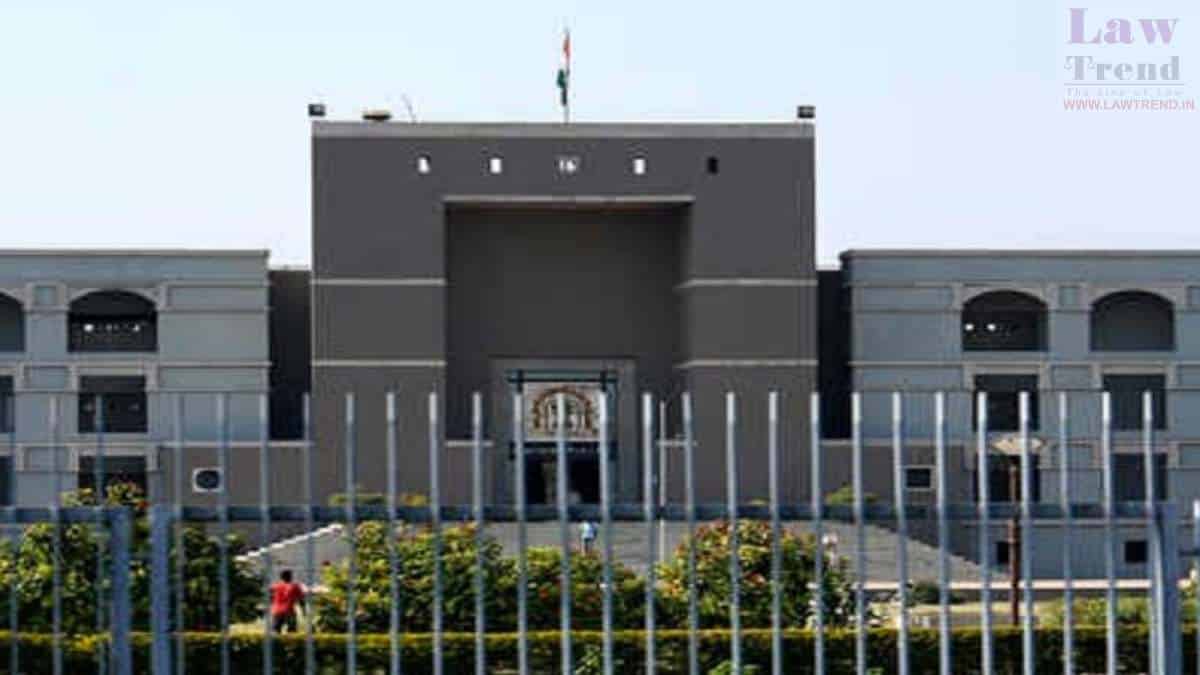
The Gujarat High Court has upheld the death sentences of 38 Indian Mujahideen members convicted for their roles in the 2008 Ahmedabad serial blasts, pointing to the massive scale of the conspiracy and the high loss of life.
A division bench comprising Justices A Y Kogje and Samir Dave rejected all appeals filed by the convicts, according to a copy of the July 7 judgment released on Monday. The ruling also confirmed life imprisonment for 11 other individuals involved in the conspiracy, affirming the decisions originally handed down by a special court in February 2022.
Judicial Findings On Capital Punishment
In confirming the death sentences, the high court noted that the extraordinary scale of the terror plot and the intention to create widespread public panic justified the maximum punishment. The bench observed that the execution of the coordinated bombings showed a complete lack of remorse and a deliberate mindset to target innocent lives.
The court further pointed out that several of the condemned individuals had existing criminal records and had faced disciplinary actions while in prison. Finding no mitigating factors or signs of rehabilitation on record, the judges ruled out any leniency in their sentencing.
Role Of Life Convicts And Logistics Support
The high court also validated the life sentences given to 11 convicts, agreeing with the prosecution’s findings that they provided critical logistical support. This included organizing terror training camps in Kerala and Gujarat, securing safe houses, and sourcing operational materials such as clocks, plastic containers, and scooters used to execute the bombings.
The bench additionally upheld all financial penalties imposed by the trial court, linking the fines directly to the massive destruction of public property and the high casualty count.
Compensation Mandates For Blast Victims
Under the court’s directives, the Gujarat state government must distribute financial compensation to those affected by the tragedy. The state has been ordered to pay 10 lakh rupees to the families of each deceased victim and 5 lakh rupees to individuals who suffered grievous injuries. This compensation must be fully cleared before March 30, 2027.
Background Of The Coordinated Attacks
The case originates from July 26, 2008, when a series of 21 bomb blasts went off across Ahmedabad within a 70-minute window. The attacks resulted in 56 deaths and left more than 200 people injured. Notably, some of the explosives detonated at hospitals where victims were being brought for emergency treatment, representing the first time medical facilities were targeted in a major terror attack in India.
A Broad Conspiracy And Extensive Trial
The prosecution’s case merged 35 separate police investigations, including 20 cases filed directly in Ahmedabad and 15 related to unexploded bombs recovered in Surat. A total of 78 defendants stood trial, culminating in the conviction of 49 individuals by the special court.
The convicted group includes Safdar Nagori, the former leader of the banned Students Islamic Movement of India (SIMI), along with accomplices spanning 11 states, including Madhya Pradesh, Kerala, Uttar Pradesh, and Gujarat.
The high court resolved the appeals after hearing the case for more than 18 months, transitioning to day-to-day hearings in February this year. The initial February 2022 ruling by the special court marked the largest single group of convicts—38 individuals—sentenced to death in a single case in Indian legal history, surpassing a January 1998 TADA court ruling that handed death penalties to 26 people in the 1991 Rajiv Gandhi assassination case.




