

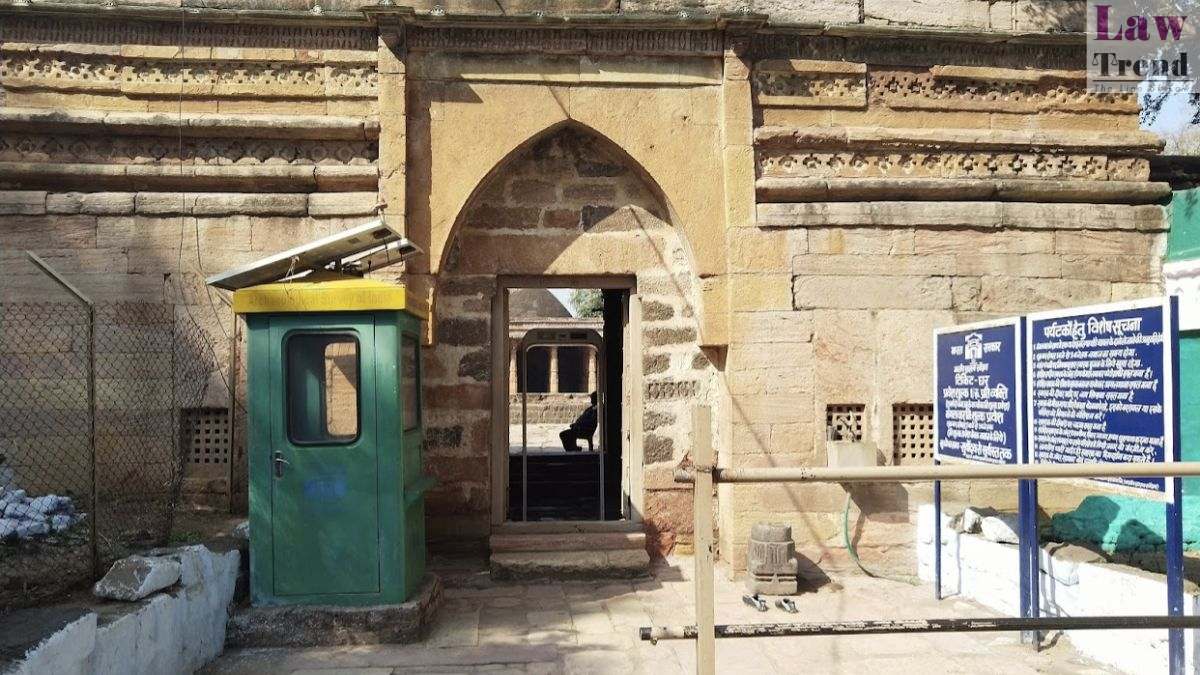
In a landmark finding on Friday, the Madhya Pradesh High Court concluded that the historical and religious character of the disputed Bhojshala-Kamal Maula Mosque complex is that of a temple dedicated to Goddess Vagdevi Saraswati. The ruling follows an extensive review of historical literature and architectural evidence linked to the 11th-century monument.
The court established that the site, located in the Dhar district, was originally associated with Raja Bhoj of the Parmar dynasty. Evidence presented in court indicated that the structure served as a prominent center for Sanskrit learning and housed a temple for Goddess Saraswati, a conclusion that aligns with the Hindu community’s long-standing claims.
A Decades-Old Conflict
The Archaeological Survey of India (ASI)-protected site has been a flashpoint for legal and religious disputes for over two decades. While the Hindu side identifies the structure as Bhojshala, the Muslim community recognizes it as the Kamal Maula Mosque. Adding a third layer to the complexity, petitioners from the Jain community have previously asserted that the complex was originally a medieval Jain temple and gurukul.
Breaking the Status Quo
Since April 7, 2003, the complex has operated under a unique ASI arrangement designed to maintain communal harmony:
- Tuesdays: Reserved for Hindu worship.
- Fridays: Reserved for Muslim prayers (namaz).
- Other Days: Open to tourists and visitors.
The High Court’s current findings stem from a challenge to this 2003 order. Hindu petitioners approached the court seeking exclusive rights to the complex, arguing that the shared arrangement should be dissolved in favor of recognizing the site’s original religious identity.
The Court’s Reasoning
The bench relied heavily on “architectural references” and historical texts that trace the lineage of the building back to the Parmar era. By formally recording that the “religious character” is that of Bhojshala, the court has set a new legal precedent for how the monument will be treated in future proceedings regarding its ownership and usage rights.
This determination marks a significant shift in the narrative surrounding the Dhar monument, potentially impacting the ASI’s management of the site and the ongoing litigation between the involved parties.




