

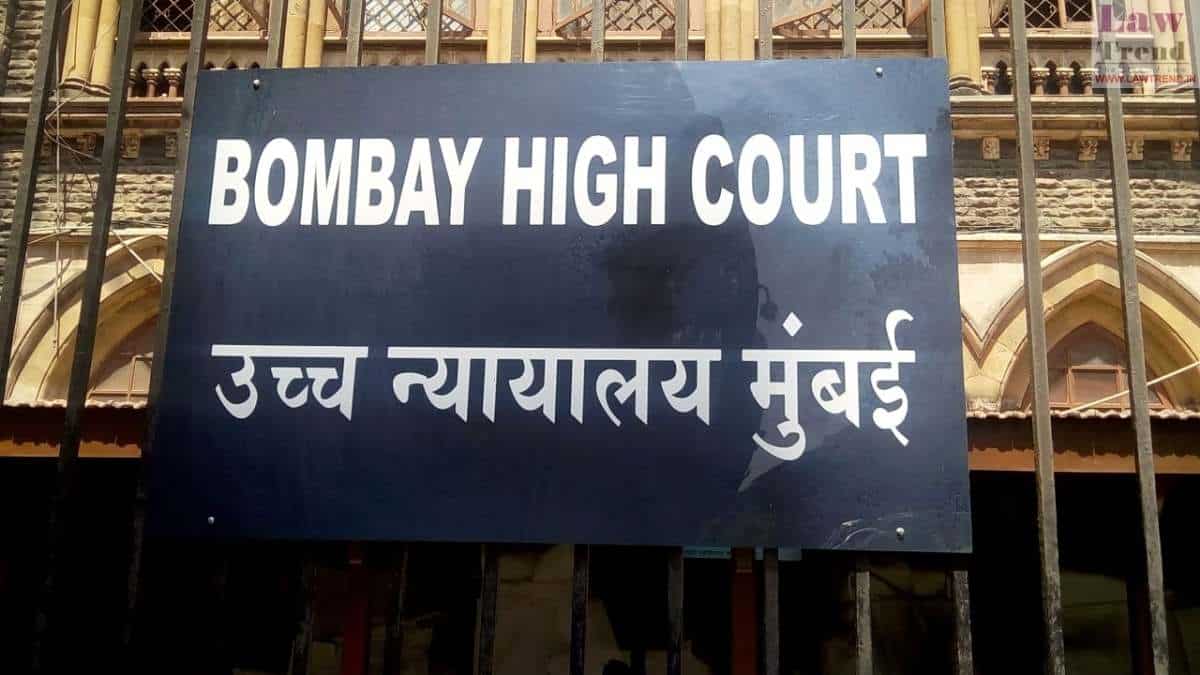
The Bombay High Court has directed the Maharashtra government to regularise eligible teaching and non-teaching employees of Model Colleges and fix their salaries according to the applicable university and University Grants Commission (UGC) pay scales from their initial appointments.
In an order dated October 29, a Division Bench of Justices Kishore C Sant and Jitendra Jain criticised the state government for leaving proposals for sanctioning posts pending for more than a decade, resulting in employees continuing on temporary contracts despite years of service.
The court held that the government had failed to fulfil its responsibilities towards institutions established to expand access to higher education and had acted contrary to its commitment to provide financial support.
Regularisation and Salary Benefits Ordered
The High Court clarified that employees whose services had been extended until the filing of the petitions and who continued to remain employed would qualify for regularisation.
It directed the Maharashtra government to issue appropriate orders approving their posts and regularising their services.
The court further ruled that eligible employees must receive salary fixation corresponding to comparable positions under the relevant university or UGC pay scales, calculated from their respective dates of appointment.
These directions came while deciding a batch of petitions filed by employees who had continued working at Model Colleges without permanent status or the benefits available to regular university staff.
Employees Challenged Years of Temporary Employment
The petitioners had been recruited by universities to serve in Model Colleges, with some appointments dating back to 2011.
Their appointment letters classified their employment as temporary and provided for consolidated remuneration. The letters also permitted termination without notice if their performance was considered unsatisfactory.
Although the universities repeatedly extended or renewed these appointments, the employees were neither absorbed into permanent service nor granted corresponding employment benefits.
After serving for more than a decade, they approached their respective universities seeking regularisation. When their representations failed to produce a favourable outcome, they moved the High Court.
Senior Advocate N B Khandare, representing the employees, argued that the petitioners performed work comparable to that of regular university employees but received substantially lower salaries.
He also submitted that the Maharashtra government had instructed universities against making Model College employees permanent, describing the conduct of both the state and the universities as unfair.
State Cannot Establish Colleges Without Providing Support: High Court
The Model College initiative originated under a UGC scheme following an announcement by then Prime Minister Manmohan Singh. It sought to improve higher education opportunities in districts where the availability of colleges was limited.
Examining the government’s responsibilities, the Bench observed that establishing educational institutions was insufficient unless the state also ensured their proper functioning and continued administrative support.
The judges drew an analogy with Indian parents, who make personal sacrifices to secure their children’s welfare and future. The court said the state must similarly support institutions it has established rather than leave them struggling to fulfil their objectives.
Referring to the well-known Spider-Man principle that great power carries great responsibility, the Bench criticised the government’s failure to honour its undertaking to the university and comply with earlier judicial directions.
It also observed that the state’s conduct conflicted with its constitutional responsibilities and the objectives underlying the Model College scheme.
Court Emphasises Education’s Role in National Development
The High Court noted that education contributes to economic development, nation-building and the creation of informed citizens capable of participating in democratic processes.
It stressed that the government’s responsibility extends beyond opening educational institutions to ensuring their effective maintenance and improving educational standards.
The Bench found that the petitioners had served the Model Colleges for a considerable period, making the prolonged uncertainty over their employment status an important issue requiring resolution.
Concluding its judgement, the court expressed hope that other developed states would examine their own practices and adopt corrective measures where necessary.
It said the Model College initiative should fulfil its original vision by developing institutions capable of serving as examples for the rest of the country while contributing to economic growth and national development.


