

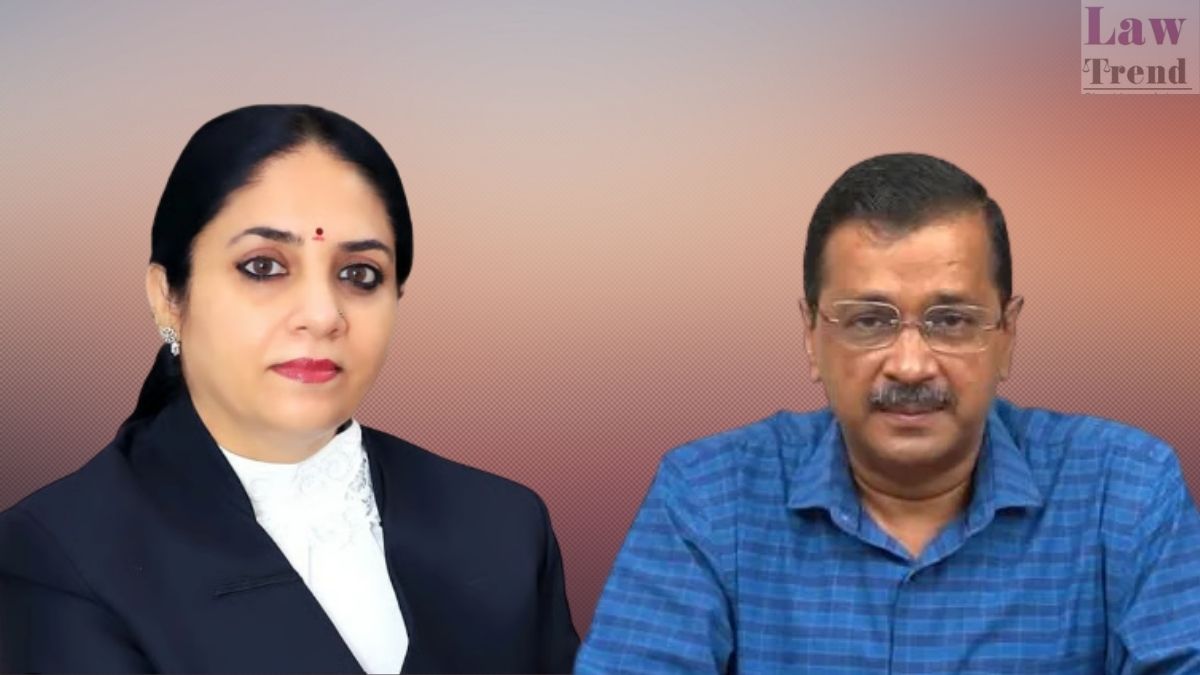
In a significant legal development, former Delhi Chief Minister Arvind Kejriwal has filed an additional affidavit in the Delhi High Court seeking the recusal of Justice Swarana Kanta Sharma. Kejriwal has alleged a “direct conflict of interest,” claiming that the judge’s children are empanelled as central government lawyers and receive legal work through the same legal establishment—specifically Solicitor General Tushar Mehta—that is prosecuting him in the CBI’s liquor policy case.
The matter pertains to a petition filed by the Central Bureau of Investigation (CBI) challenging the discharge of Arvind Kejriwal in the liquor policy case. During the proceedings, the AAP leader moved an application requesting Justice Sharma to withdraw from the hearing. In an additional affidavit dated April 14, Kejriwal intensified his plea, citing newly discovered material facts concerning the professional engagements of the judge’s family members.
Kejriwal’s affidavit relies on documents obtained through the Right to Information (RTI) mechanism and public domain information. He alleged that substantial legal work was allocated to Justice Sharma’s son by the central government.
The affidavit states:
“The RTI reply reported that the said social media post also mentioned that a total of 2,487 cases were marked to the son of the Hon’ble Justice in the year 2023; 1,784 cases in 2024 and 1,633 cases in 2025.”
The former Chief Minister emphasized that central government empanelment involves active court appearances and financial benefits, rather than being merely honorary. He argued that since the CBI—a central agency—is the prosecutor and is represented by the government’s highest law officers, the fact that the judge’s immediate family holds “live Central government panel engagements” creates a “direct, grave and impossible” apprehension of bias.
Beyond the conflict of interest claims, Kejriwal raised concerns regarding the conduct of the proceedings. He noted that on April 13, the court held proceedings until 7:00 PM and reserved its verdict on the recusal application without providing him a “fair and reasonable opportunity” to make rejoinder submissions.
He further contended that while the recusal plea was pending, the court passed “effective” orders that would close his right to reply to the CBI’s main petition if not done within a week. Kejriwal argued that these developments might not carry the “full appearance of judicial detachment, independence and neutrality that the law requires.”
Kejriwal also pointed to the judge’s previous rulings—including the denial of relief to him regarding his arrest and the refusal of bail for co-accused Manish Sisodia and K Kavitha—as factors contributing to his apprehension.
Solicitor General Tushar Mehta, appearing for the CBI, strongly opposed the recusal application. He characterized the concerns raised by Kejriwal as “apprehensions of an immature mind” and urged the court to initiate contempt action against those seeking the recusal.
Mehta argued that the plea was a matter of “institutional respect” and that the judge should not “succumb to pressure.” He warned that recusing on the basis of “unfounded allegations” would set a dangerous precedent for the judiciary.
The court has reserved its order on the application.




