

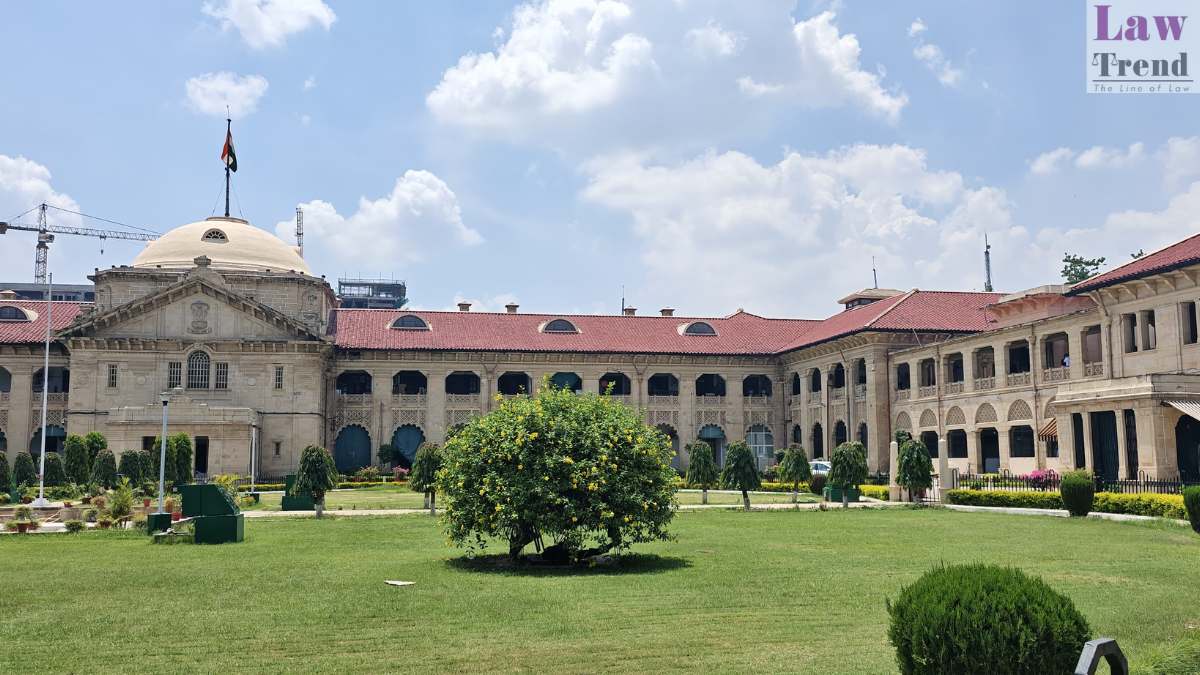
An Allahabad High Court judge has suggested amending the Prevention of Corruption Act to introduce capital punishment for convicted offenders, warning that rampant institutional graft and summary property demolitions threaten to ignite civil unrest across the country.
In a 51-page opinion delivered during a split verdict on municipal home demolitions targeting accused persons, Justice Atul Sreedharan issued a broad critique of systemic corruption, government lawlessness, and societal tolerance for financial misconduct.
Concerns Over Temple Theft and Global Rankings
Addressing reported financial irregularities involving donation theft at the Ram temple in Ayodhya, Justice Sreedharan described the incident as a critical collapse of national integrity. He noted that widespread indifference to the allegations highlights how deeply bribery and embezzlement have been normalized in Indian society, where unethical behavior is rarely viewed as wrong unless detected.
The judge cited India’s rank of 91 out of 182 nations in the Transparency International 2025 corruption index, stating that such standings fail to evoke public or institutional shame. To counter what he described as a pervasive lack of integrity, Justice Sreedharan urged the government to consider amending the Prevention of Corruption Act, 1988, to apply the death penalty to corruption cases if it intends to clean up the administration.
Criticism of Demolition Actions and State Complicity
Justice Sreedharan also criticized municipal authorities for demolishing residential properties immediately following accused offenses. He stated that such actions are designed to satisfy a public desire for quick retribution rather than constitutional due process. He added that local officials continue these demolitions with impunity despite explicit restrictive guidelines from the Supreme Court.
Addressing the origin of unauthorized buildings, the judge stated that illegal structures do not appear overnight. He asserted that municipal bodies act as accomplices in these violations, explaining that dishonest officials routinely ignore unauthorized construction due to bribery or political and bureaucratic support. The opinion emphasized that the state further aids non-compliant developments by granting sovereign utilities like water and electricity, only for buyers to face sudden eviction and law enforcement decades later.
Warning of Future Social Instability
Justice Sreedharan warned that unchecked corruption across development authorities and public institutions will result in an unlawful concentration of capital. He concluded that widening economic disparities between rich and poor citizens will ultimately pave the way for widespread civil unrest if legislative and administrative reforms are not enacted.


