

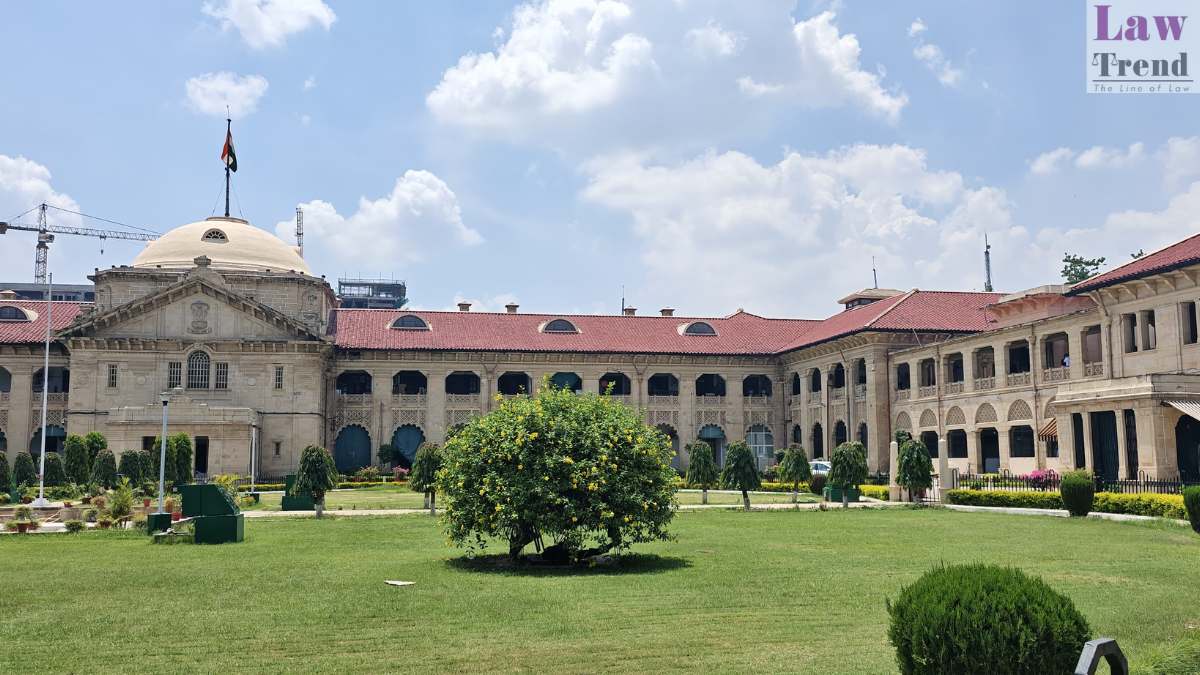
The Allahabad High Court has acquitted four women and upheld the conviction of two men in connection with a 1984 violent land dispute in Uttar Pradesh, ruling that individual liability applies when the primary aggressor in a mutual confrontation cannot be established.
Delivering the judgment, Justice Sanjiv Kumar stated that when evidence fails to prove which group initiated a physical clash, the incident is classified as a free fight in which each participant remains accountable only for their specific actions. The court added that claims of private defense over property are invalid if the prosecution cannot prove ownership or possession of the disputed land or crops.
Court Verdict and Sentence Orders
The single-judge bench set aside the convictions of Badi Bahu alias Kanchan Devi, Sanjhali Bahu, and two women identified as Manjhli Bahu, granting them the benefit of the doubt. The court noted that while prosecution witnesses acknowledged the women’s presence at the scene, cross-examinations revealed they did not carry weapons or participate in the physical assault.
In contrast, the court sustained the conviction of Bhajan Lal and Ramanand, citing consistent and reliable eyewitness testimony that confirmed their active involvement in the violence. Both men were instructed to report to the trial court within 30 days to execute bonds for maintaining good conduct during probation.
Land Dispute and Escalation
The case originated from a complaint lodged by Mannu Lal on September 20, 1984, regarding a contested 6.45-acre parcel located at Nazarbagh Kunwa in Basatguwa village, within Lalitpur district. The complainant alleged that the opposing group forcibly attempted to harvest a standing maize crop on the property.
The dispute quickly escalated into a violent encounter involving sticks and sickles, leaving individuals on both sides injured. Two men from the accused party, Zalim and Bhagirath, died from injuries sustained during the clash, prompting a separate murder case under Section 302 of the Indian Penal Code against 15 individuals from the complainant’s side.
Four-Decade Legal Timeline
In June 1988, an additional sessions court in Lalitpur convicted 12 individuals and released them on a one-year good conduct probation. The group challenged the verdict in the High Court later that year.
During the 36-year pendency of the appeal, six of the original appellants died, causing legal proceedings against them to abate and leaving six remaining appellants—four women and two men—for the final July 21 decision.


