

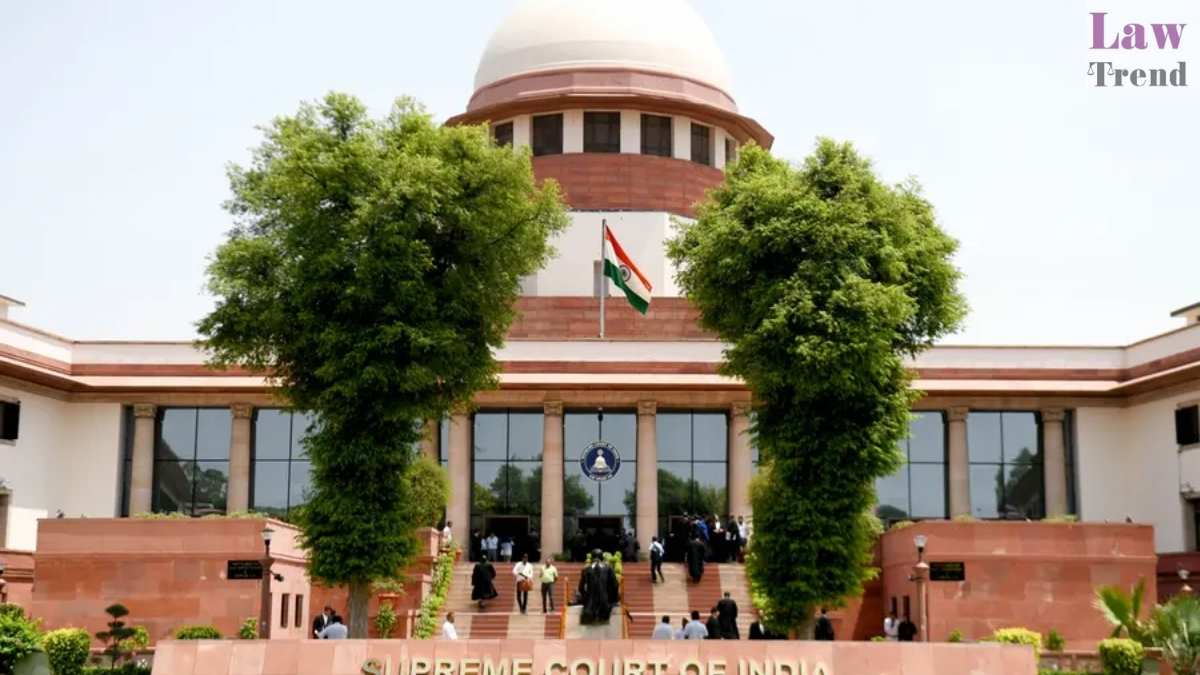
On Monday, the Supreme Court upheld Rule 12 of the Maharashtra Zilla Parishads and Panchayat Samitis (Manner and Rotation of Reservation of Seats) Rules, 2025. The rule resets the reference point for rotating seats reserved for Scheduled Castes (SC) and Scheduled Tribes (ST). The Court held that no voter or candidate can claim a vested right to have a particular constituency reserved.
A Bench of Chief Justice of India Surya Kant, Justice Joymalya Bagchi and Justice V Mohana dismissed a plea challenging how reserved seats are rotated in zilla parishad and panchayat samiti elections in Maharashtra.
Challenge Arose From Nagpur Bench Ruling
Rupali Indrabhushan Sonde filed the appeal after the Nagpur Bench of the Bombay High Court dismissed her challenge to Rule 12 in September 2025.
The 2025 Rules replaced the earlier 1996 Rules. They provide for reserving seats in zilla parishads in proportion to the SC/ST population of each area. Under Rule 12, the first general election held after the 2025 amendment is treated as the starting point for rotating reserved seats.
What The Petitioner Argued
Before the High Court, the petitioners said the new provision broke the existing rotation cycle and could stop several candidates from contesting from reserved constituencies. They also argued that the rule was arbitrary and violated Article 14 of the Constitution, which guarantees equality before the law.
Before the Supreme Court, counsel for the petitioner argued that if the rotation cycle kept being reset, constituencies with smaller SC/ST populations might never get their turn as reserved seats.
Court Says Manner Of Rotation Is Government’s Call
The Court did not accept these arguments. Justice Bagchi noted that the law requires reserved seats to rotate in descending order of the SC/ST population in each constituency. However, he said that how and when the rotation is carried out is for the government to decide.
On the argument that shifting the cut-off date defeats rotation, the Court said: “Though the argument is attractive at first blush, the same fails to take into consideration that no voter or candidate can have a vested right to have a particular constituency reserved.”
The Bench said the law ensures proportionate reservation and rotation of seats. It does not ensure that any particular constituency will be reserved.
Dismissing the plea, the Court held: “We find no reason to hold that the said rule runs counter to either the concept of reservation or rotation of seats.”
Earlier Plea On Assembly Seats Also Dismissed
On November 4, the Supreme Court had dismissed a separate petition. That plea challenged the continued reservation of certain assembly constituencies for SC/ST candidates without any rotation for several decades.


