

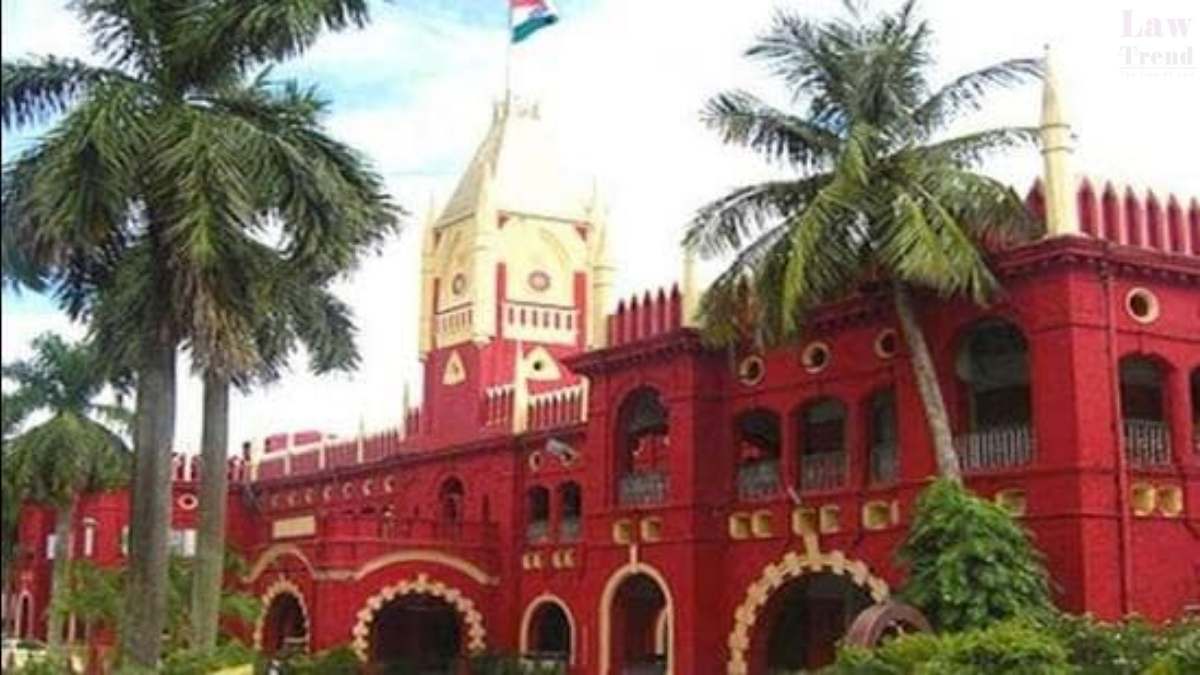
The Orissa High Court has directed the Odisha government to extend post-retirement facilities worth Rs 60,000 per month to former judge Chitta Ranjan Dash, holding that a judge cannot be denied such benefits in the state of first appointment merely because of a subsequent transfer and retirement from another high court.
A Division Bench of Justices Sanjeeb K Panigrahi and Murahari Sri Raman set aside the state government’s decision to withhold the allowances from Justice Dash, who served at the Orissa High Court for nearly 13 years before his transfer to the Calcutta High Court.
In its November 2 judgment, the bench held that the state where a judge was initially appointed could be regarded as the concerned state for providing retirement facilities. However, the entitlement would remain subject to verification that the retired judge was not receiving equivalent benefits from another high court.
The court emphasised that facilities provided to former judges were intended to support them after years of judicial service and should not be treated as discretionary concessions.
Odisha Government Had Denied Allowances
Justice Dash was appointed to the Orissa High Court on October 7, 2009. Following a transfer notification issued on June 1, 2022, he joined the Calcutta High Court on June 20, 2022, and retired from judicial service on May 20, 2024.
Under a notification issued by Odisha on April 24, 2025, retired judges became eligible for monthly allowances of Rs 45,000 for domestic assistance and driver expenses, along with Rs 15,000 for telephone, internet, secretarial assistance and security services. The notification also provided for a 5 per cent annual increase.
Despite Justice Dash’s initial appointment in Odisha, the state government sanctioned only medical facilities through his parent high court in an order dated July 31, 2025. It declined to extend the remaining allowances because he had retired from the Calcutta High Court.
Justice Dash challenged the decision before the Orissa High Court.
Supreme Court Directions Cover State of First Appointment
While examining the dispute, the bench considered earlier Supreme Court directions concerning welfare facilities for retired high court judges.
The Supreme Court had initially encouraged state governments to formulate appropriate schemes before directing them to adopt the model followed in Andhra Pradesh.
In February 2025, the Supreme Court clarified that facilities available to retired judges under the Andhra Pradesh model should also be extended across other states and Union territories.
A subsequent clarification issued in April 2025 addressed the identification of the concerned state for implementing these benefits. It recognised both the state where a judge was first appointed and the state from which the judge retired as relevant for determining entitlement.
Reading these directions together, the Orissa High Court concluded that retirement from a high court outside the state of initial appointment could not automatically disqualify a former judge from receiving the prescribed facilities.
The bench explained that restrictions on receiving similar allowances from multiple high courts were designed to prevent duplication, rather than deny benefits to judges transferred during their careers.
Retired Judges Should Not Face Procedural Hurdles
The court also addressed the importance of ensuring that former judges can access recognised retirement facilities without unnecessary administrative difficulties.
It observed that the relationship between the judiciary and its members continues beyond retirement and that the facilities provided to retired judges recognise their years of public service.
According to the bench, medical support, domestic assistance and communication facilities fulfil practical requirements during retirement. Former judges should not be compelled to repeatedly contact government departments or pursue correspondence to secure benefits already recognised by the state.
The court further observed that judicial service involves demanding responsibilities, extended working hours and a continuing obligation towards the institution and those seeking justice.
It stressed that individuals who have devoted years to judicial service should be able to retire with dignity without concerns over basic necessities.
The bench also noted that an institution’s treatment of its former members reflects upon the institution itself. Eligibility requirements and safeguards, it said, must support the implementation of retirement benefit schemes rather than undermine their objectives.
State Directed to Release Benefits and Arrears Within Eight Weeks
Allowing Justice Dash’s petition, the High Court set aside the July 31, 2025 government order to the extent that it failed to consider and sanction the allowances he had claimed.
The bench directed the Odisha government to extend the facilities available under the applicable Supreme Court orders and the state’s April 24, 2025 notification.
The authorities must first verify that Justice Dash is not receiving identical or similar facilities from the Calcutta High Court or any other high court.
The state was also directed to calculate arrears from the date the benefits became admissible under the applicable orders and release the amount within eight weeks of receiving a copy of the judgment.
The High Court made no order as to costs.


