

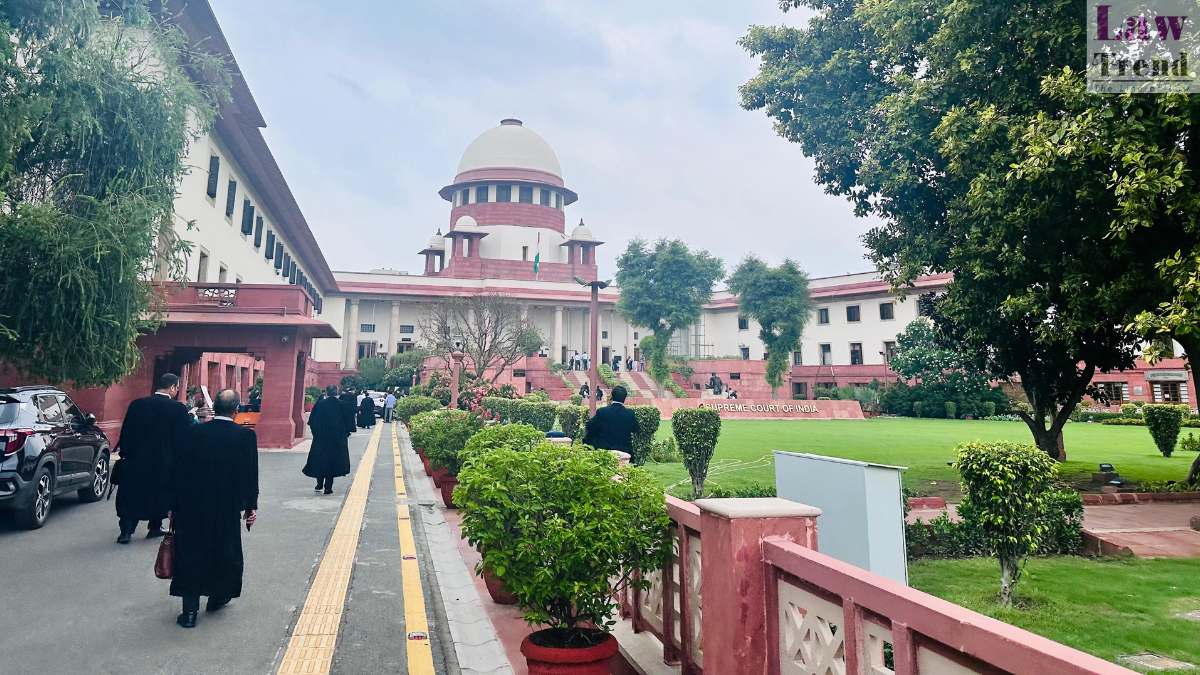
The Supreme Court on Friday declined to urgently hear a petition challenging the New Delhi Municipal Council’s decision to close Central Park in Connaught Place ahead of a planned demonstration by the Cockroach Janta Party.
A bench comprising Chief Justice of India Surya Kant and Justice Joymalya Bagchi refused to grant an immediate listing, indicating instead that the matter could be taken up on October 26 or 27. The bench remarked that it expected better sense to prevail among all parties, highlighting the adverse economic effects closures impose on small vendors and their families who depend on daily commerce.
Interlocking Rights and Commercial Impact
During the proceedings, counsel representing the petitioner argued that the civic body issued an order late Thursday night shutting down the public space, thereby halting local trade.
In response, Justice Bagchi noted the competing interests at play, stating that political demonstrations, commercial vending such as selling peanuts, and administrative law-and-order priorities are all interconnected. While declining to intervene immediately, the bench stated that it retains the authority to invoke its constitutional powers under public and compensation law should business losses occur or if the administrative actions are ultimately deemed disproportionate.
Background of the Demonstration Call
The municipal closure followed a public call by Cockroach Janta Party leader Abhijeet Dipke urging supporters carrying the national flag to assemble at Central Park on Friday.
Dipke issued the appeal following the detention of party members Saurav Das and Ashutosh Ranka, claiming they were imprisoned for unfurling the national flag. Das and Ranka were remanded to five-day judicial custody at Tihar Jail on charges of trespassing into Jantar Mantar, which is no longer designated as a protest zone, and violating the conditions of their peace bonds.




