

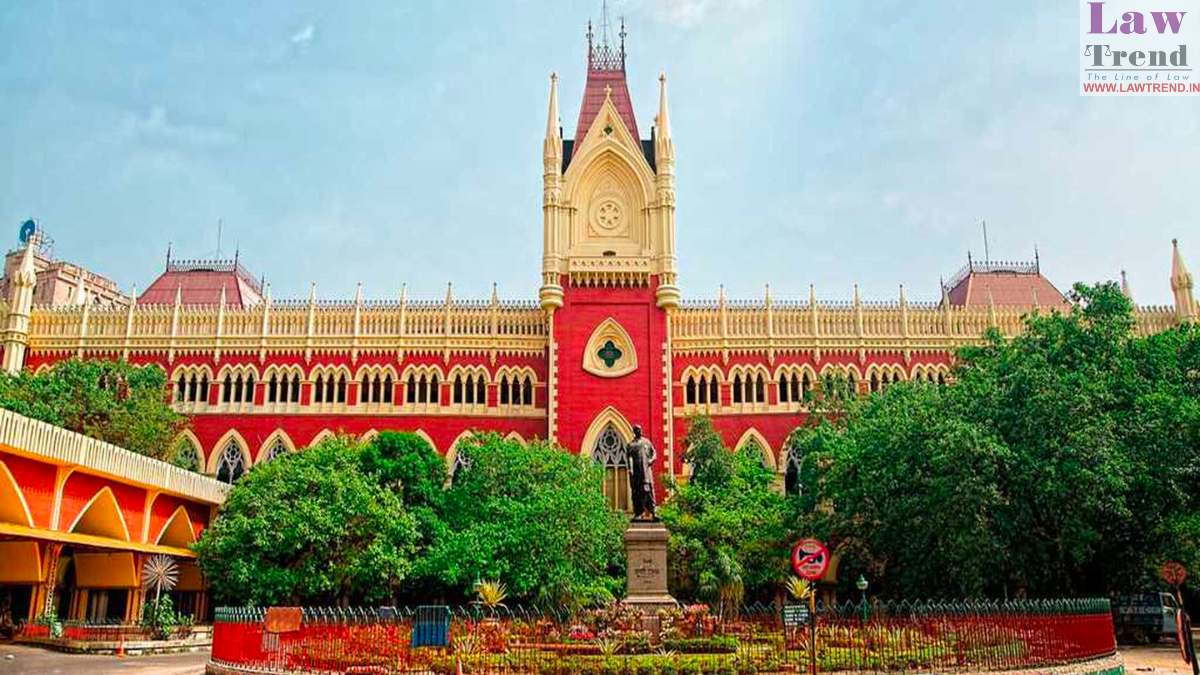
The Calcutta High Court on Monday questioned the Election Commission over its decision to allot the ‘envelope’ symbol to the Democratic Trinamool Congress (DTC) despite an earlier application by the Indian Secular Front (ISF), observing that authorities should act fairly before the court and give reasoned decisions.
Justice Krishna Rao, after concluding a prolonged hearing on the ISF’s challenge to the symbol reassignment, reserved the order.
The dispute concerns the October 6 bypoll to the Nandigram Assembly constituency, where the ISF is contesting. The party approached the High Court claiming that the ‘envelope’ symbol used by it in the 2024 Lok Sabha and 2026 West Bengal Assembly elections had been allotted to the DTC despite the ISF having applied for the symbol.
During the hearing, Justice Rao asked why the Election Commission had not considered the ISF’s application, which was before it on September 17.
The court also sought to know what provision had been taken into account while allotting the symbol to the DTC and questioned whether the Election Commission could allot a symbol to another party merely because of time-related exigencies.
Court Questions EC’s Conduct
The Election Commission maintained that allotment of symbols fell within its discretion and that its decision to give the ‘envelope’ symbol to the DTC and the ‘almirah’ symbol to the ISF was in accordance with law.
Justice Rao, however, said the authorities should be fair before the court. During exchanges between the lawyers, the judge also raised questions about whether there was any connivance between the poll body and the private respondent.
The EC counsel denied being prompted by the DTC’s lawyer and objected to any suggestion that he was being dictated to by a political party.
Justice Rao told the EC counsel that, as a lawyer appearing for a constitutional body, he should be prepared to answer all questions put by the court without relying on assistance from anyone else.
The court further observed that even if the ISF had no enforceable right to the ‘envelope’ symbol and its request could be rejected, such rejection should be supported by reasons.
ISF Alleges Arbitrary Reassignment
Appearing for the ISF, senior advocate Bikash Ranjan Bhattacharya argued that discretion vested in an authority must be exercised reasonably and rationally and could not be treated as absolute.
He submitted that the bypoll was a continuation of the 2026 election and questioned how the symbol used by the ISF during that election could be taken away during the by-election.
Bhattacharya contended that the reassignment of the ‘envelope’ symbol was illegal and arbitrary. He also sought deferment of the bypoll, arguing that postponement would neither affect the constitution of the Assembly nor create a constitutional crisis.
When Justice Rao questioned the extent to which the court could intervene after the election process had commenced and the stages of nomination, scrutiny and withdrawal had been completed, Bhattacharya referred to a Supreme Court judgment which, according to him, recognised the court’s authority to facilitate proper conduct of elections.
EC Defends Allotment Under Symbols Rules
EC lawyer Jishnu Chowdhury submitted that the ISF’s earlier allotment of the ‘envelope’ symbol ended with the conclusion of the West Bengal Assembly elections and declaration of results on May 4.
He said symbols allotted to unrecognised parties become free after the conclusion of a general election and can subsequently be allotted to others.
According to Chowdhury, the Election Commission on September 17 closed the reserved ‘flower and grass’ symbol of the Trinamool Congress following an internal split in the party. Since nominations for the Nandigram and Rejinagar bypolls had closed on September 16, candidates belonging to both factions faced the possibility of rejection of their nominations.
He said the Election Commission, acting on requests from the two factions, exercised its powers under the applicable rules and allotted free symbols on September 18.
Chowdhury argued that no party could claim an absolute right over a free symbol and said there was no legal impediment to allotting such a symbol during a bypoll.
He also distinguished a general election from a by-election, submitting that dissolution of a House leads to a general election while a vacancy in an individual seat results in a bypoll under the Representation of the People Act.
The EC further argued that merely filing a nomination did not create a right in favour of the ISF, which claimed that it had submitted its nomination papers mentioning the ‘envelope’ symbol before the September 18 order assigning it to the DTC.
The poll body also claimed that the ISF had already begun campaigning in Nandigram using the newly allotted ‘almirah’ symbol and alleged that the petition was intended to stall the election.
DTC Says ISF Has No Absolute Right Over Symbol
Counsel for the Democratic Trinamool Congress submitted that both factions of the Trinamool Congress, the Mamata Trinamool Congress and the Democratic Trinamool Congress, had been recognised as parties by the Election Commission.
The DTC argued that the ISF had no inviolable right to insist on a particular symbol.
Justice Rao observed during the hearing that authorities should act in a manner that avoids future complications and unnecessary litigation.
Bypolls to the Nandigram and Rejinagar Assembly constituencies are scheduled for October 6, with counting of votes fixed for October 9.
After hearing all sides, the High Court reserved its order on the ISF’s challenge.




