

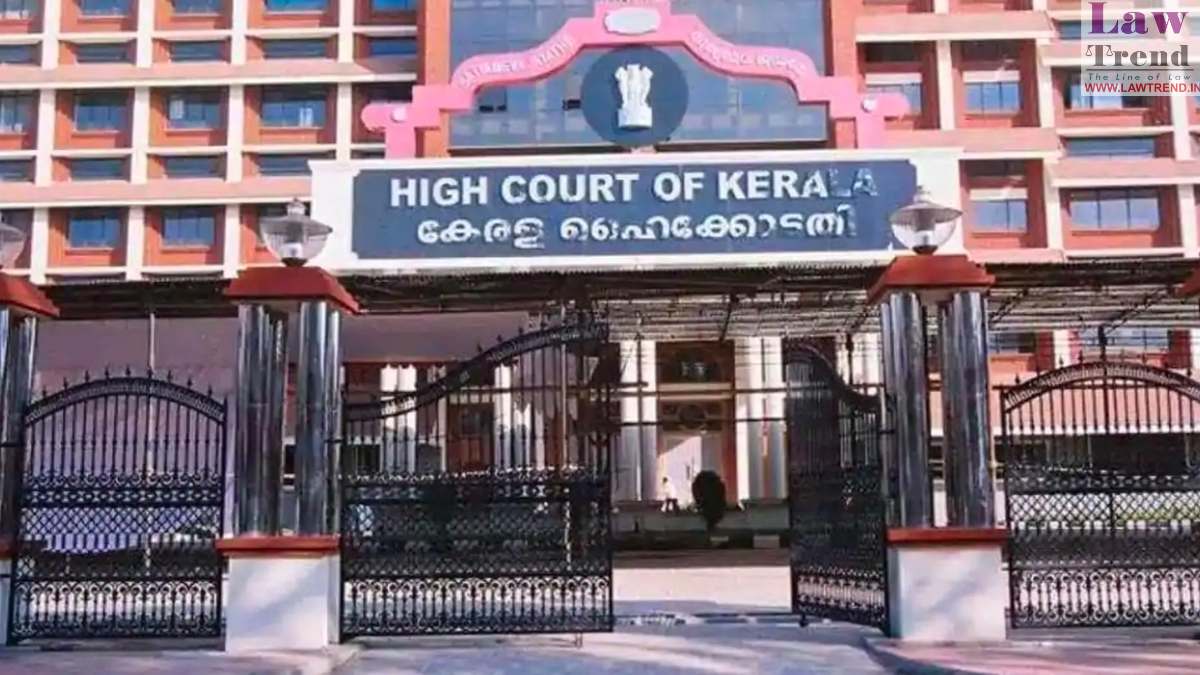
The Kerala High Court on Tuesday declined to grant interim relief to former Director General of Police Tomin J. Thachankary by refusing to suspend his four-year jail term in a disproportionate assets case.
Justice A. Badharudeen granted the prosecution two days to submit its objections against Thachankary’s appeal and scheduled the matter for its next hearing on September 24.
The decision follows an appeal moved by the former senior police officer contesting the verdict delivered last Thursday by a Vigilance Court. Alongside the four-year sentence, the trial court had also penalised Thachankary with a fine of Rs 30.84 lakh after finding him guilty of amassing wealth beyond his known sources of income.
Challenges Raised In The Appeal
In his petition before the High Court, Thachankary contended that the trial court’s verdict was illegal and unsustainable. He asserted that the conviction stemmed from a gross misappreciation of the case records and an uncritical acceptance of flawed financial calculations presented by investigating officers.
Thachankary submitted that during his examination under Section 313 of the Code of Criminal Procedure (CrPC), he had expressly denied all incriminating evidence brought against him. He noted that he had placed an additional statement on record during the trial to explain calculation discrepancies and demonstrate that he had been falsely implicated.
Chronology Of The Vigilance Investigation
According to the appeal, the Vigilance and Anti-Corruption Bureau initially registered a first information report focusing on assets allegedly accumulated between January 1, 2003, and March 1, 2005. The probe window was subsequently widened to span up to July 4, 2007, on which date investigators conducted searches across several locations and seized documents.
Following the submission of the final investigation report, the proceedings were transferred across different Vigilance courts before the Vigilance Court in Kottayam took up the case in 2020.
Omission Of Crucial Evidence Alleged
The petition further detailed that the state government had previously directed a supplementary inquiry after Thachankary formally complained that several legitimate sources of his revenue had been excluded and that arithmetic errors existed in the assessment.
Although the High Court subsequently struck down the state government’s order ordering the additional probe on legal grounds, it had granted the investigating agency permission to utilise the materials gathered during that process. Thachankary argued that none of those pertinent records were ever placed before the trial court, despite his formal application requesting their production under Rule 19(4) of the Kerala Criminal Rules of Practice.




