

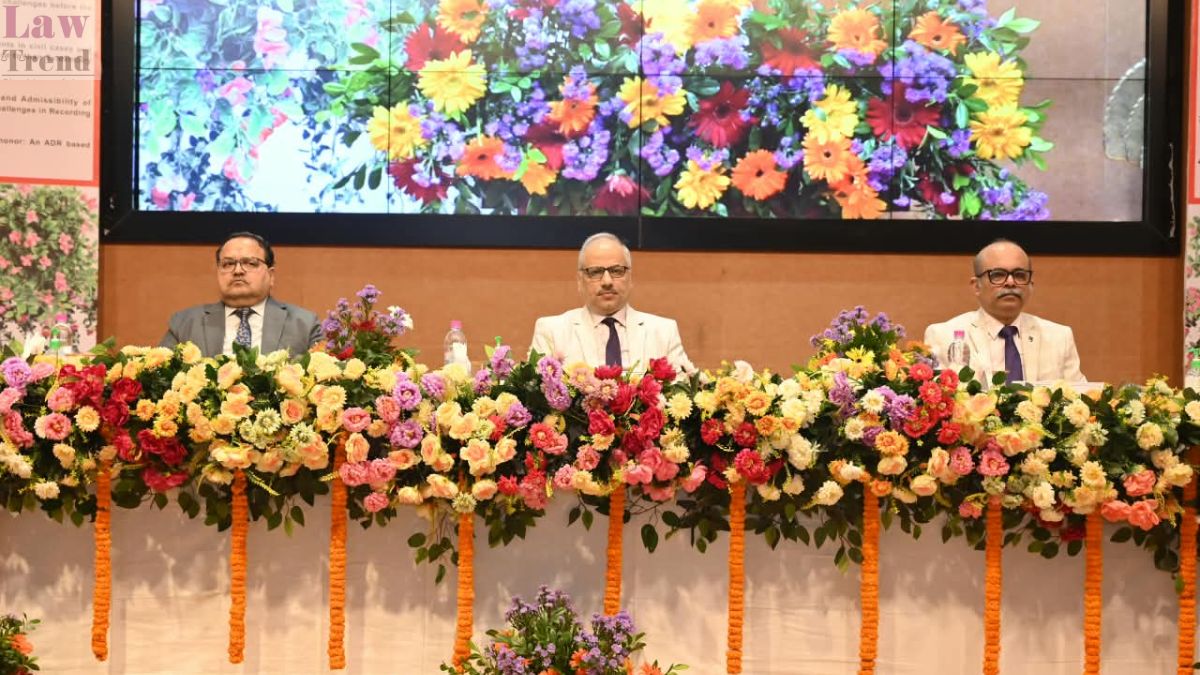
Under the visionary leadership of Hon’ble Mr. Justice Ramesh Sinha, Hon’ble the Chief Justice, High Court of Chhattisgarh, a One-day Divisional Judicial Seminar for Judicial Officers of Raipur Division was organized by the Chhattisgarh State Judicial Academy at the New Circuit House, Civil Line Raipur.
The seminar was attended by 141 Judicial Officers from Four Civil Districts Raipur, Dhamtari, Baloda-Bazar, Mahasamund. The Chief Guest, Hon’ble Mr. Justice Ramesh Sinha, Chief Justice, High Court of Chhattisgarh & Patron in Chief Chhattisgarh State Judicial Academy, inaugurated the session.
The seminar was also graced by the presence of Hon’ble Mr. Justice Naresh Kumar Chandravanshi, Hon’ble Mr. Justice Sachin Singh Rajput, Hon’ble Mr. Justice Rakesh Mohan Pandey, Hon’ble Mr. Justice Ravindra Kumar Agrawal, Hon’ble Mr. Justice Bibhu Datta Guru, Hon’ble Mr. Justice Amitendra Kishore Prasad, Judges High Court Of Chhattisgarh.
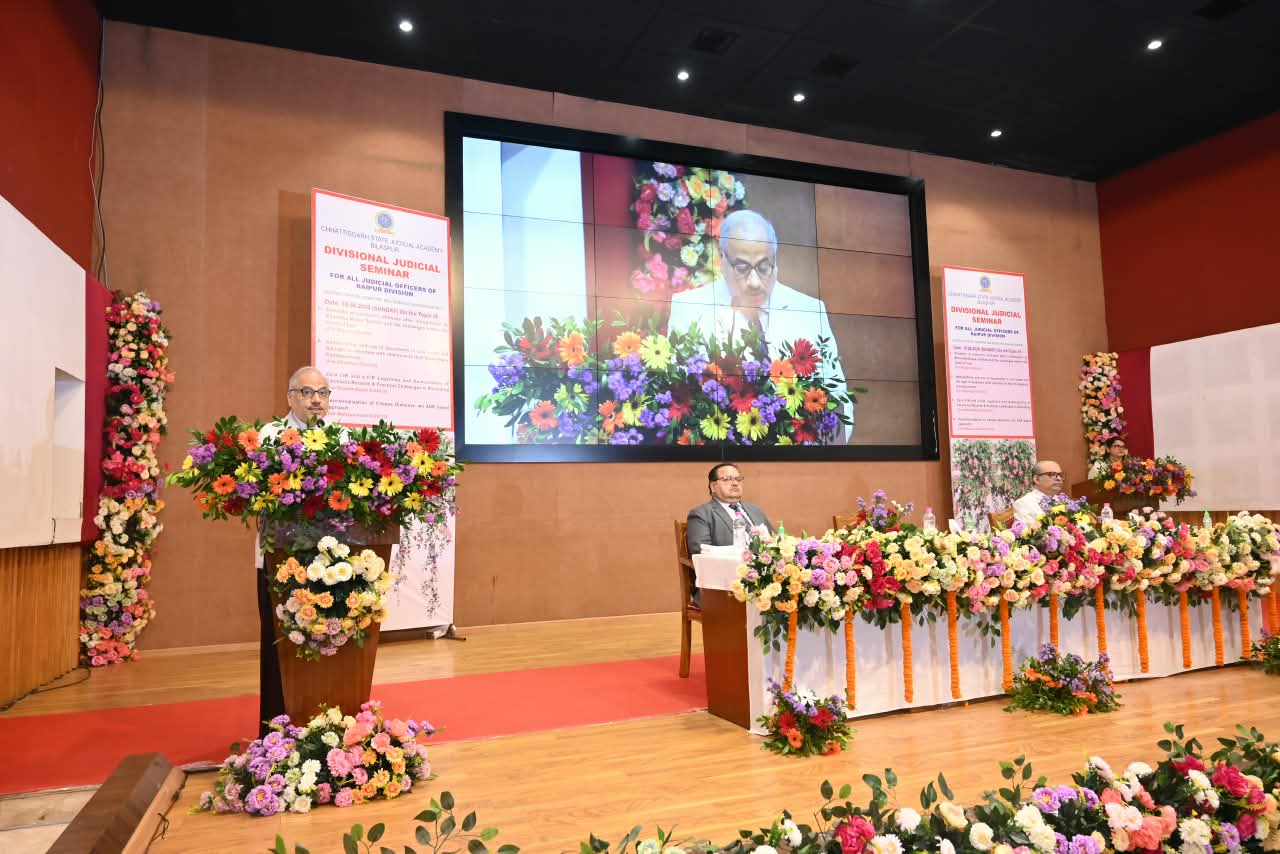
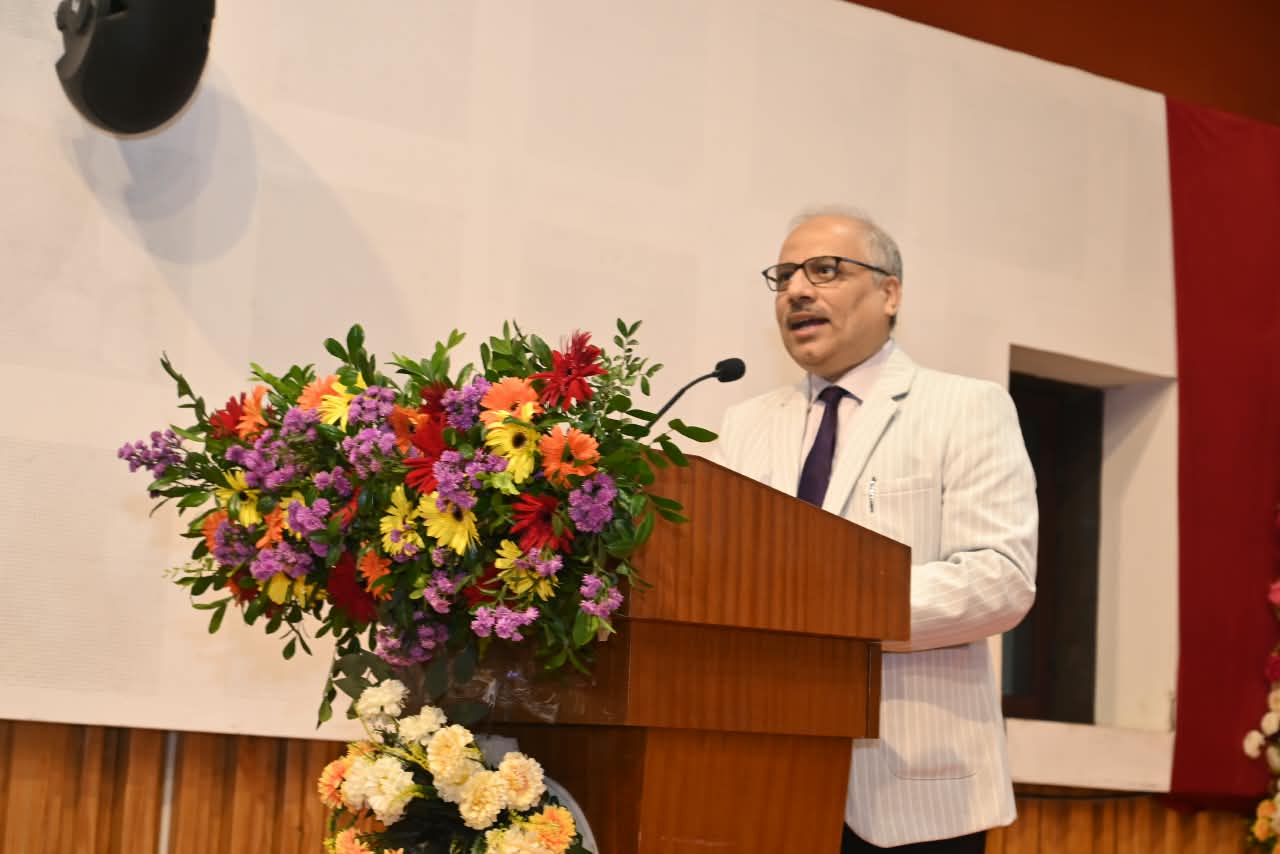
Addressing the Judicial Officers, the Hon’ble the Chief Justice emphasised the importance of continuous Judicial education and keeping pace with the changing nature of law, technology and society.
Speaking on the topic Hon’ble the Chief Justice observed that economic offences are becoming increasingly complex with the growing use of online transactions, digital platforms and advanced technology. The introduction of the Bharatiya Nyaya Sanhita, 2023 has brought significant changes to the criminal Justice framework. Judicial Officers, need to have a clear understanding of the new legal provisions, carefully appreciate the evidence and effectively deal with economic offences while safeguarding the legal and constitutional rights of every Accused.
Hon’ble the Chief Justice stressed that documentary evidence plays a crucial role in almost every civil trial. Proper appreciation and handling of documents are essential for ensuring fair and expeditious adjudication. Issues relating to admissibility, proof of documents, electronic records, stamping, registration and objections frequently have a significant bearing on the outcome of civil proceedings.
Hon’ble Chief Justice highlighted the growing role of technology in the criminal Justice system. Zero FIR and e-FIR have facilitated prompt reporting of offences and have made access to the criminal justice system easier for citizens, irrespective of the territorial jurisdiction in which an offence has occurred. At the same time, the courts have to carefully scrutinise electronic records and ensure their authenticity, reliability and legal admissibility before placing reliance upon them.
Hon’ble the Chief Justice reiterated that cheque dishonour cases constitute a substantial portion of the litigation pending before courts. The Hon’ble the Chief Justice emphasised the importance of Alternative Dispute Resolution (ADR) mechanisms, particularly mediation and settlement, in resolving such disputes expeditiously. An ADR-based approach can reduce the burden on courts, facilitate speedy resolution and, at the same time, help preserve business and personal relationships between the parties.
Concluding the address, the Hon’ble the Chief Justice observed that all the subjects discussed during the seminar share a common objective—to make the Justice delivery system more efficient, technology-friendly, legally sound and people-oriented. In the present era, society expects the Judiciary not only to deliver correct decisions but also to ensure that justice is delivered in a timely, transparent and fair manner.
The event was attended by the Registrar General of the Chhattisgarh High Court, Registry Officers. Judicial officer of District Raipur, Dhamtari, Baloda-Bazar, Mahasamund. Welcome address delivered by Principal District & Sessions Judge Raipur and Introductory address was given by Director Chhattisgarh Judicial Academy & concluded with a vote of thanks by Additional District & Sessions Judge, Raipur.
The seminar featured deliberations on several contemporary legal issues, including:
• Scenario of Economic Offences after the Introduction of the Bharatiya Nyaya Sanhita and the Challenges before the Courts of Law;
• Admissibility and Use of Documents in Civil Cases and the Right to Objection with Reference to their Evidentiary Consequences;
• Zero FIR and e-FIR: Legalities, Admissibility of Electronic Records, and Practical Challenges in Recording; and
• Decriminalization of Cheque Dishonour: An ADR-Based Approach.




