

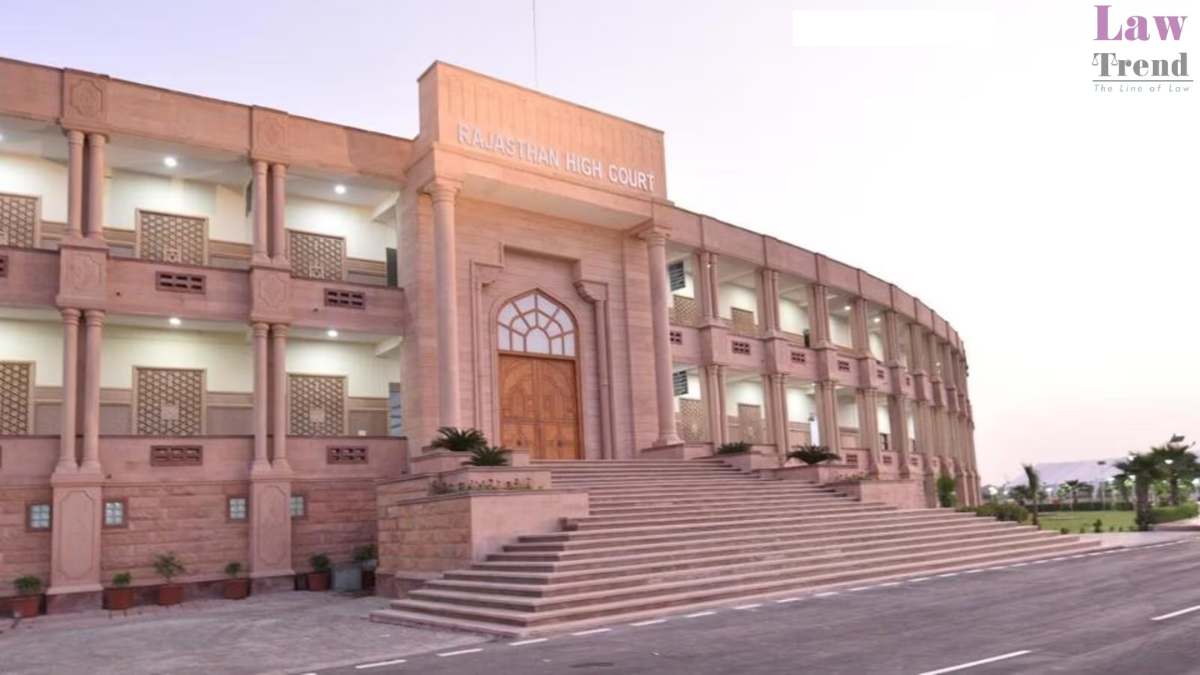
The Rajasthan High Court has ordered state authorities to utilize revenue collected from an allegedly illegal toll plaza on the Beawar-Masuda-Goyla State Highway to plant shade-bearing trees in public areas.
Justice Anoop Kumar Dhand issued the directive on August 3 while hearing a plea seeking the relocation of the toll booth away from municipal boundaries. The court instructed the Project Director to decide on the relocation representation within three months after hearing all concerned parties, warning that failure to meet the deadline would result in contempt proceedings under the Contempt of Courts Act, 1971.
Toll Collection Records and Compliance Requirements
Under the court order, officials must preserve details of all toll funds collected at the facility and submit the records to the Project Director. The Project Director will then pass orders to use the money for hiring personnel to plant shade-bearing trees in nearby public locations.
To ensure strict compliance, the court mandated that photographs of the newly planted trees be submitted to the court along with an official undertaking from the individual assigned to maintain them.
Legal Challenge and Previous Relocation Orders
The legal dispute arose from a petition filed by two individuals who contended that the toll plaza operates in violation of Rule 8 of the Rajasthan State Highways Fee (Determination of Rates and Collection) Rules, 2015. The provision prohibits establishing toll collection facilities within two kilometers of a municipality or local town boundary.
Following a previous High Court directive to address the petitioners’ representation, the Beawar District Collector issued an order on February 27, 2026, directing the toll plaza to be moved five kilometers outside the municipal limits. Although that order went unchallenged and attained finality, it was never implemented.
The petitioners subsequently submitted a representation to the Project Director on May 21, 2026, seeking execution of the Collector’s decision before approaching the High Court for relief.
Public Interest and Environmental Rationale
In directing the proceeds toward environmental preservation, Justice Dhand noted that planting trees serves the larger public interest and offers long-term benefits to the local community. The court remarked that long-living trees will silently improve the surrounding environment by creating a cleaner, oxygen-rich environment for future generations.




