

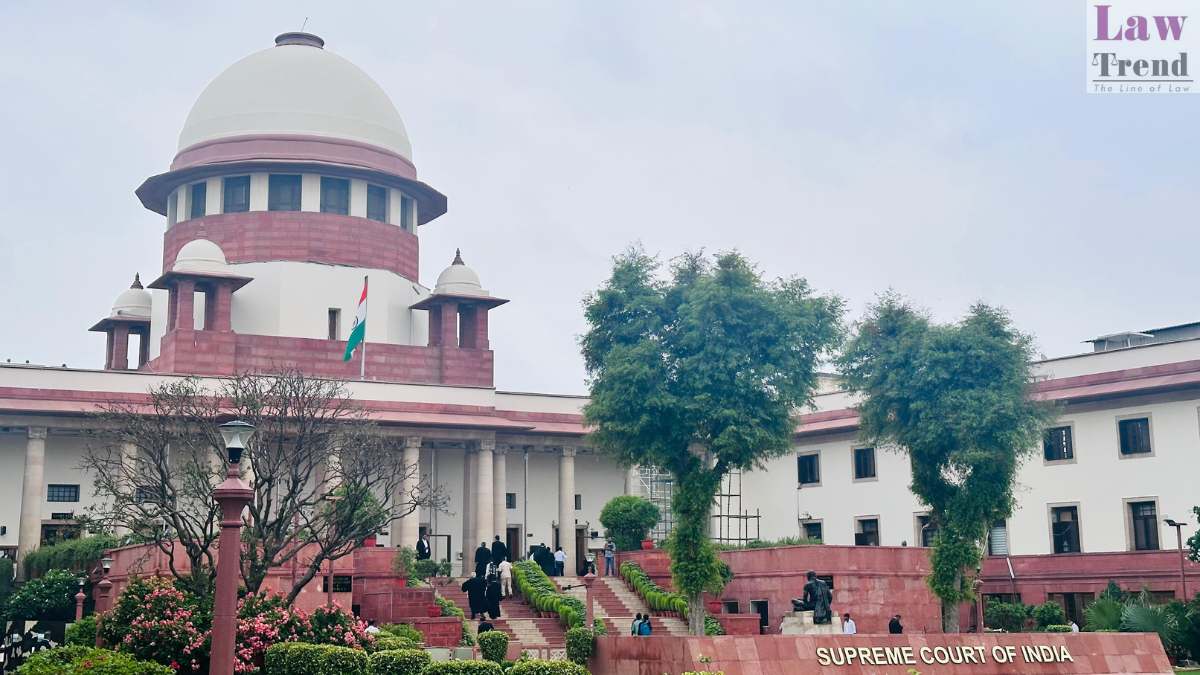
The Supreme Court of India agreed on Friday to hear a Public Interest Litigation (PIL) next week challenging the Central Board of Secondary Education’s (CBSE) controversial new policy that mandates three languages for Class 9 students starting this July.
The legal challenge comes amid mounting anxiety from parents and educators, with petitioners warning that the abrupt mid-session policy shift will trigger “chaos” for students as they prepare for their high-stakes Class 10 board examinations.
Court Agrees to Urgent Hearing
A Supreme Court bench headed by Chief Justice of India Surya Kant agreed to list the matter for a formal hearing next week.
Representing the petitioners, Senior Advocate Mukul Rohatgi argued before the bench that the sudden introduction of the language requirements places an unreasonable academic burden on students. Under the new policy, students would be forced to rapidly learn new languages and be tested on them in their upcoming board exams.
“How can students suddenly learn these languages and appear in the 10th standard? This will create chaos,” Rohatgi submitted, urging the court to intervene.
The Mid-Session Mandate
The controversy stems from a CBSE circular issued on May 15. The directive mandates that Class 9 students must take three languages—at least two of which must be native Indian languages—starting July 1 of this year.
However, the timing of the circular has drawn severe criticism. Because the academic session is already well underway, many schools have already progressed significantly with their schedules, and students have already begun regular classes and initial unit tests.
Growing Backlash from Parents and Educators
According to the PIL, the abrupt policy change is both impractical and burdensome, threatening to disrupt established academic calendars and student focus.
The petition reflects a broader wave of concern among educationists and parents. Critics have openly questioned the preparedness of schools to suddenly implement a three-language curriculum mid-session, pointing out that teachers, textbooks, and lesson plans cannot be easily reorganized overnight.




