

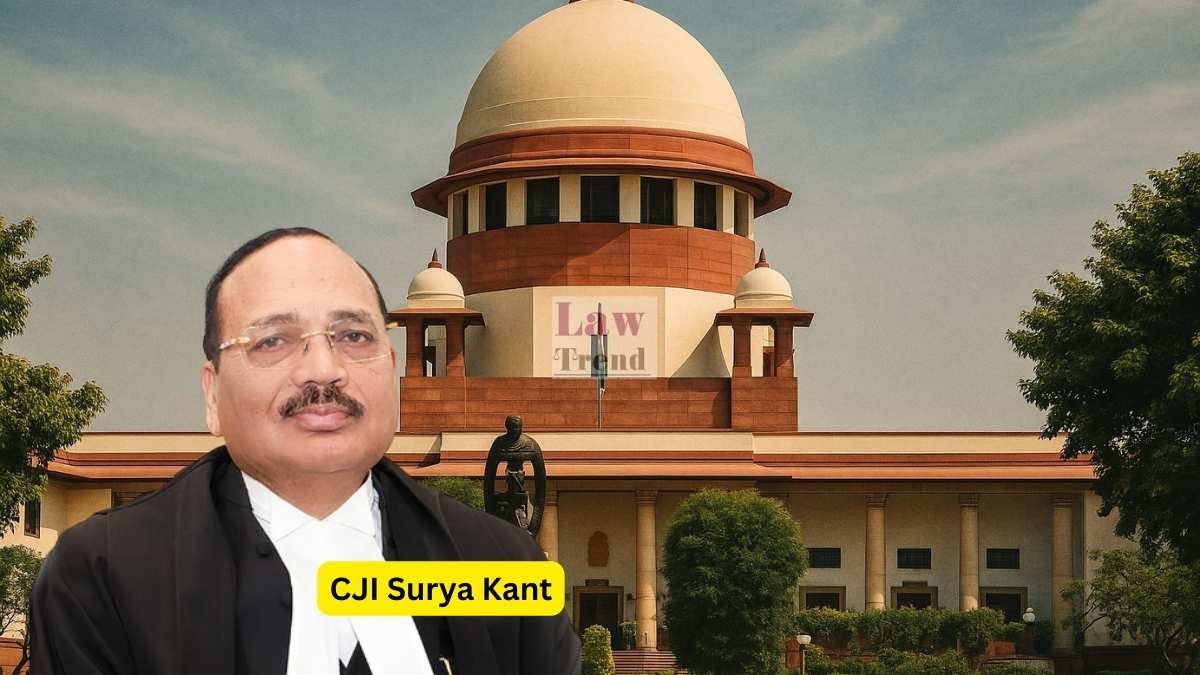
In a stinging rebuke of professional misconduct within the legal fraternity, Chief Justice of India (CJI) Surya Kant on Friday Likened certain unemployed youth to “cockroaches” and “parasites” who attack the system after failing to find traditional employment. The remarks came as a Supreme Court bench, which included Justice Joymalya Bagchi, dismissed a lawyer’s petition seeking a senior advocate designation, citing the petitioner’s questionable conduct.
A Blistering Critique of ‘Activists’
During the proceedings, a visibly anguished CJI Kant expressed deep frustration with individuals who, unable to secure a place in their chosen professions, pivot toward RTI, media, and social media activism to target institutional systems.
“There are youngsters like cockroaches, who don’t get any employment or have any place in profession,” the CJI observed. “Some of them become media, some of them become social media, RTI activists and other activists and they start attacking everyone.”
The bench further characterized such individuals as “parasites of society” and pointedly asked the petitioner if he intended to align himself with them.
Conduct Unbecoming of ‘Senior’ Status
The case reached a flashpoint when the bench reviewed the petitioner’s own behavior, including language he had reportedly used on Facebook. The court made it clear that the “senior advocate” title is an honor conferred by the court based on merit and conduct, rather than a status symbol to be aggressively “pursued.”
“The entire world may be eligible to become senior (advocate), but at least you are not entitled,” the bench told the lawyer. CJI Kant added that even if the Delhi High Court were to grant the designation, the Supreme Court would likely set it aside based on the petitioner’s professional track record.
The bench questioned whether the lawyer viewed the designation as a mere “ornamental” status symbol, asking, “Is this the conduct of a person who seeks to be designated as a senior advocate?”
Concerns Over ‘Fake Degrees’ and Bar Council Inaction
Beyond the specific case, the CJI raised alarm bells regarding the integrity of the legal profession at large. He suggested that the court had considered involving the Central Bureau of Investigation (CBI) to verify the educational credentials of practicing lawyers, noting “serious doubts” over the genuineness of many degrees.
The bench was equally critical of the Bar Council of India (BCI), asserting that the regulatory body would likely fail to address the issue of fake degrees because they “need their votes.”
The hearing concluded after the petitioner tendered an apology to the bench and requested to withdraw his petition. The Supreme Court allowed the withdrawal, bringing an end to the heated exchange.




