

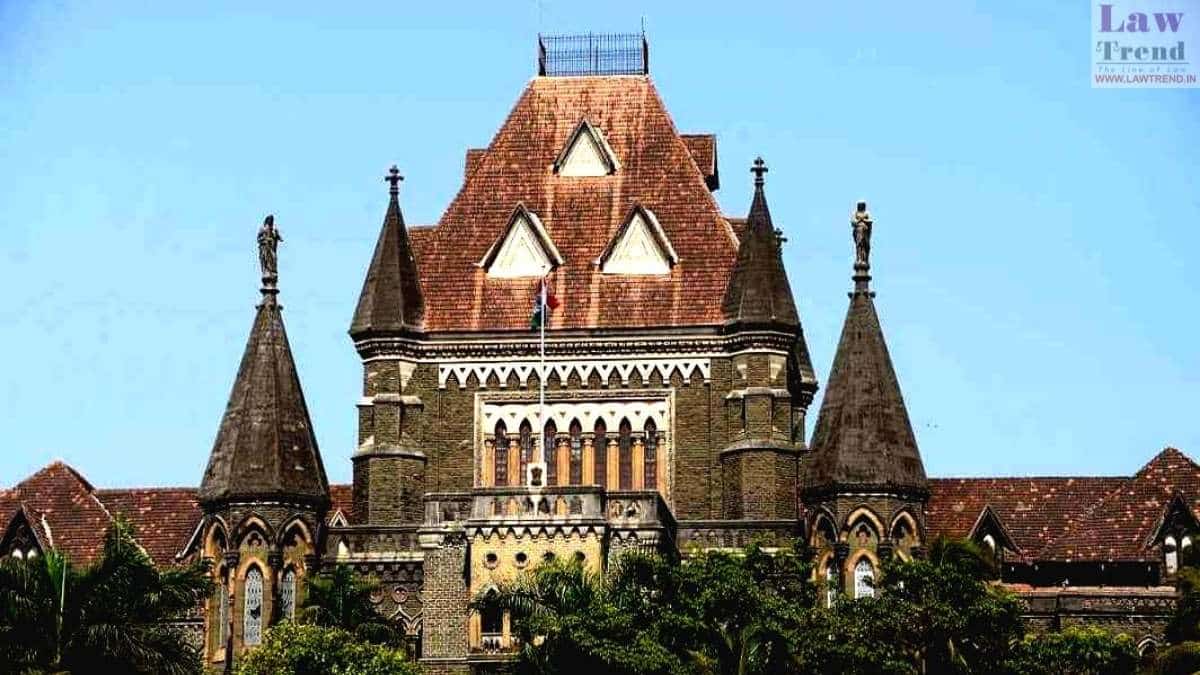
Two senior executives of the NESCO Exhibition Centre have approached the Bombay High Court to challenge their arrest following the tragic drug overdose deaths of two MBA students at a music concert held at the suburban Goregaon venue.
Balkrishna Balram Kurup (46), Vice-President of Live Events and IP, and Sunny Jain (31), Senior Manager, were taken into custody on April 13. Their legal challenge labels the police action as “illegal,” citing procedural lapses and a lack of evidence linking them to the alleged narcotics activity.
The incident stems from a music concert held at the NESCO Exhibition Centre on April 11. Two students from a prestigious business school in South Mumbai allegedly consumed MDMA (ecstasy) during the event and subsequently succumbed to an overdose.
Following the deaths, Mumbai police arrested Kurup and Jain, alleging a connection to the incident. However, the executives maintain they were merely performing their professional roles as venue managers and had no involvement in the presence or distribution of prohibited substances.
In their petition filed through advocate Rishi Bhuta, the duo argued that there is “no material linking them to procurement, distribution, or consumption of contraband substances.” Key points raised in the plea include:
- Strict Prohibitions: The executives highlighted that the consumption or possession of illegal substances was strictly forbidden at the venue, with clear warnings printed on tickets and displayed throughout the site.
- Lack of Recovery: They contended that no contraband was recovered from them or at their instance.
- Procedural Lapses: The petitioners claim their arrest violated mandatory legal safeguards. Specifically, they allege the police failed to communicate the grounds of arrest effectively.
- Language Barrier: Kurup, a native Malayalam speaker, stated that the grounds for his arrest were provided only in Marathi. He claims that despite his requests, the documents were not explained to him in a language he understands.
The petitioners, currently in judicial custody, are seeking both the quashing of their arrest and the grant of bail.
The case raises critical questions regarding the liability of venue organizers and corporate employees for the illegal actions of attendees. The High Court’s observation on whether the “grounds of arrest” were properly communicated—a constitutional right—will be a focal point of the upcoming hearings.


