

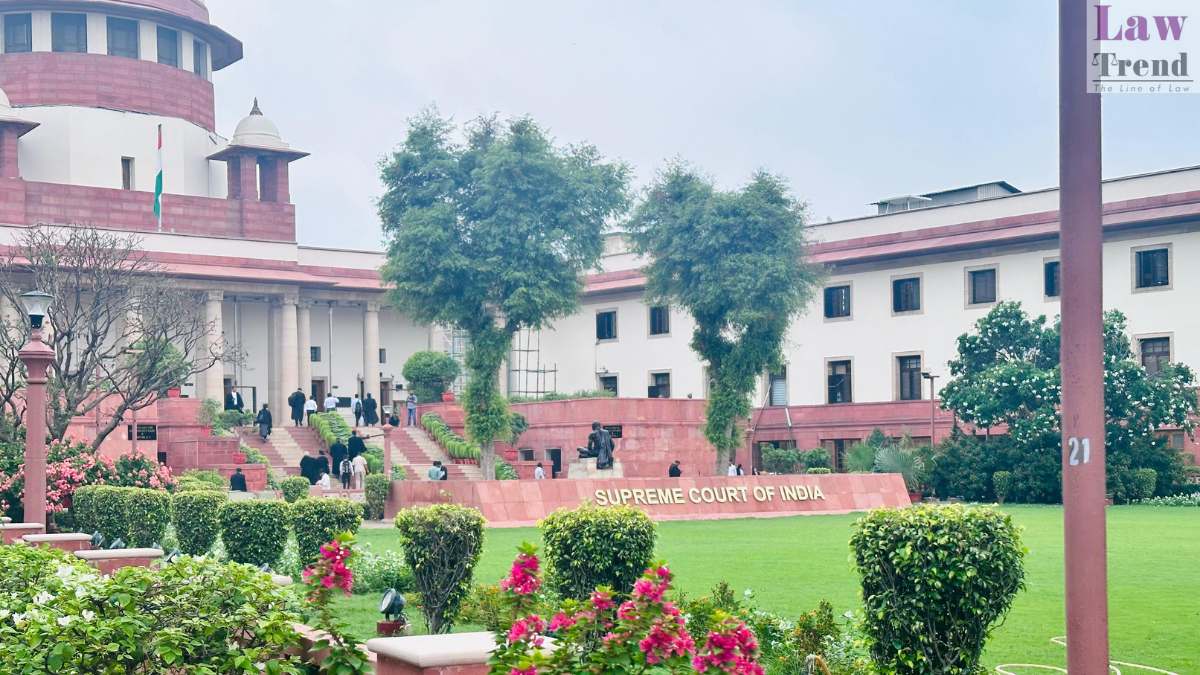
The Supreme Court has invalidated a 2021 Central Government executive memorandum that established a framework for granting retrospective environmental clearances to projects that began operations without prior green approvals.
A three-judge bench comprising Chief Justice Surya Kant, Justice Joymalya Bagchi, and Justice Vipul M Pancholi unanimously ruled on Wednesday that obtaining prior environmental clearance remains the governing rule under India’s regulatory framework. The court affirmed that project developers cannot ordinarily commence work first and seek regulatory approval afterward.
Prospective Application Protects Existing Clearances
To avoid administrative disruption, the apex court specified that its judgment will apply prospectively. Consequently, projects that were already granted post-facto environmental clearances under the 2021 policy will remain undisturbed.
The judgment resolves a batch of petitions and review applications challenging the regularization of projects that operated in violation of environmental norms. The court had reserved its decision on the matter on April 1.
Limits On Executive Orders And Statutory Alternatives
The court ruled that executive office memorandums cannot be utilized as permanent avenues for regularizing environmental non-compliance. However, the bench stated that the Union Government may introduce a limited, time-bound amnesty scheme through a valid statutory notification under exceptional circumstances and when justified by the larger public interest.
Furthermore, the bench clarified that the ruling does not restrict the Supreme Court’s discretionary power under Article 142 of the Constitution, which permits the court to grant post-facto environmental clearances in specific cases where it considers such action appropriate.




