

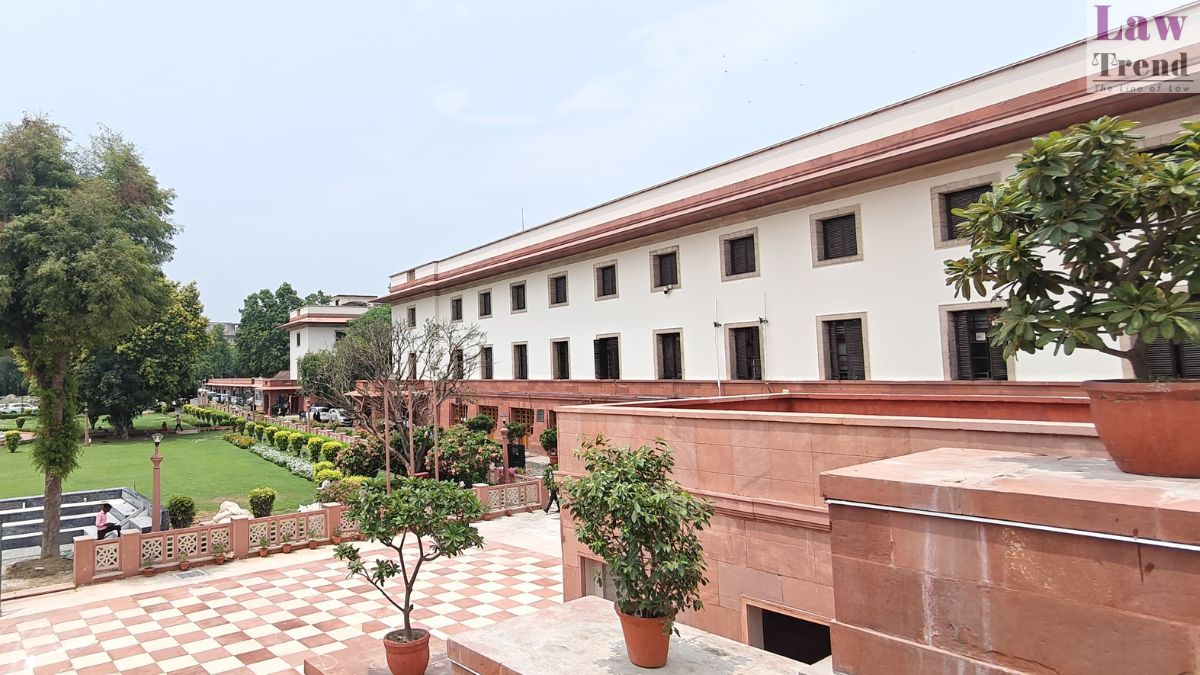
The Supreme Court on Wednesday declined to entertain a petition challenging the preventive detention of YouTuber and journalist Savukku Shankar under the Tamil Nadu Goondas Act. A bench comprising Justices Dipankar Datta and Satish Chandra Sharma observed that the Madras High Court would be the appropriate forum to examine the challenge and directed the petitioner to seek relief there.
The bench further noted that if the High Court is approached, it may consider hearing the case expeditiously.
The petition was filed by Shankar’s nephew, D Bharath, seeking a writ of habeas corpus and the quashing of a third detention order issued against Shankar. The authorities had passed this preventive detention order on April 9, branding Shankar a “goonda” under section 2(f) of the Goondas Act.
This followed his arrest on April 8 in connection with two cases registered at the Puzhal police station under various provisions of the Bharatiya Nyaya Sanhita (BNS).
Shankar’s legal troubles began on December 13, 2025, when he was initially arrested in an extortion case. While the Madras High Court had previously granted him interim bail on medical grounds—criticizing the State for allegedly targeting him for dissent—subsequent developments led to new charges.
The petitioner contended that the latest detention order reflects a “pattern of misuse” of preventive detention laws. The plea highlighted that two earlier detention orders against Shankar had already been quashed or revoked following judicial scrutiny.
Furthermore, the petition alleged that Shankar is being harassed by State agencies for exposing “illegal and corrupt activities” of the DMK government in Tamil Nadu. The plea also raised concerns regarding:
- The alleged freezing of his mother’s pension account.
- Retaliatory actions against his associates.
- Allegations that Shankar was being isolated from other prisoners during his earlier incarceration.
Despite these allegations, the apex court maintained that the High Court remains the primary venue for such challenges. The bench’s refusal to “entertain” the matter at this stage mirrors its previous stance in January, where it declined to modify bail conditions after noting that Shankar had resumed publishing social media content and videos.
The matter now moves back to the Madras High Court, where the legality of the “goonda” tag and the preventive detention order will be under scrutiny.


